
A Nation Prepares, and a General Reappears
The head of Iran’s paramilitary Revolutionary Guard, one of the most powerful military figures in the country, has emerged from a period of concealment as Tehran moves into the opening days of a dayslong state funeral for Supreme Leader Ayatollah Ali Khamenei. The timing of his reappearance is not incidental – it signals that the Guard, long the backbone of Iranian state power, intends to be visibly present during a transition that carries enormous consequences for the country’s political and economic future.
Khamenei’s death marks the end of a decades-long era that shaped Iran’s relationships with global markets, its oil sector, the architecture of international sanctions, and the basic conditions under which ordinary Iranians earn, spend, and survive. Whatever comes next will be negotiated, at least in part, through the institutions Khamenei built – and the Revolutionary Guard sits at the center of those institutions.
What the Guard Controls – and Why It Matters Economically
The Revolutionary Guard is not simply a military organization. Over decades, it has accumulated a sprawling economic footprint inside Iran, with documented involvement in construction, telecommunications, energy infrastructure, and import-export networks that operate largely outside the reach of conventional market oversight. Its business interests have made it a state within the state – capable of shaping domestic prices, controlling supply chains, and absorbing economic activity that in other countries would flow through private enterprise or transparent public institutions.
That economic weight becomes directly relevant as Iran enters a succession period. Historically, transitions of power in Iran have coincided with sharp currency volatility, disruptions to oil exports, and uncertainty in the informal markets that millions of Iranians depend on daily. The rial, already weakened by years of sanctions pressure, is sensitive to exactly the kind of political ambiguity that a leadership vacuum produces. The general’s public reemergence may be read partly as a signal to domestic markets and foreign observers alike: the Guard is stable, present, and not standing down.
Sanctions, Oil, and the Succession Question
Iran’s economy has operated under heavy U.S. and international sanctions for years, with those measures directly targeting its oil revenues – the single largest source of government income. Khamenei’s relationship with those sanctions was defining. He set the ideological parameters within which Iranian negotiators operated, and his personal resistance to certain terms effectively constrained what any administration in Tehran could agree to.
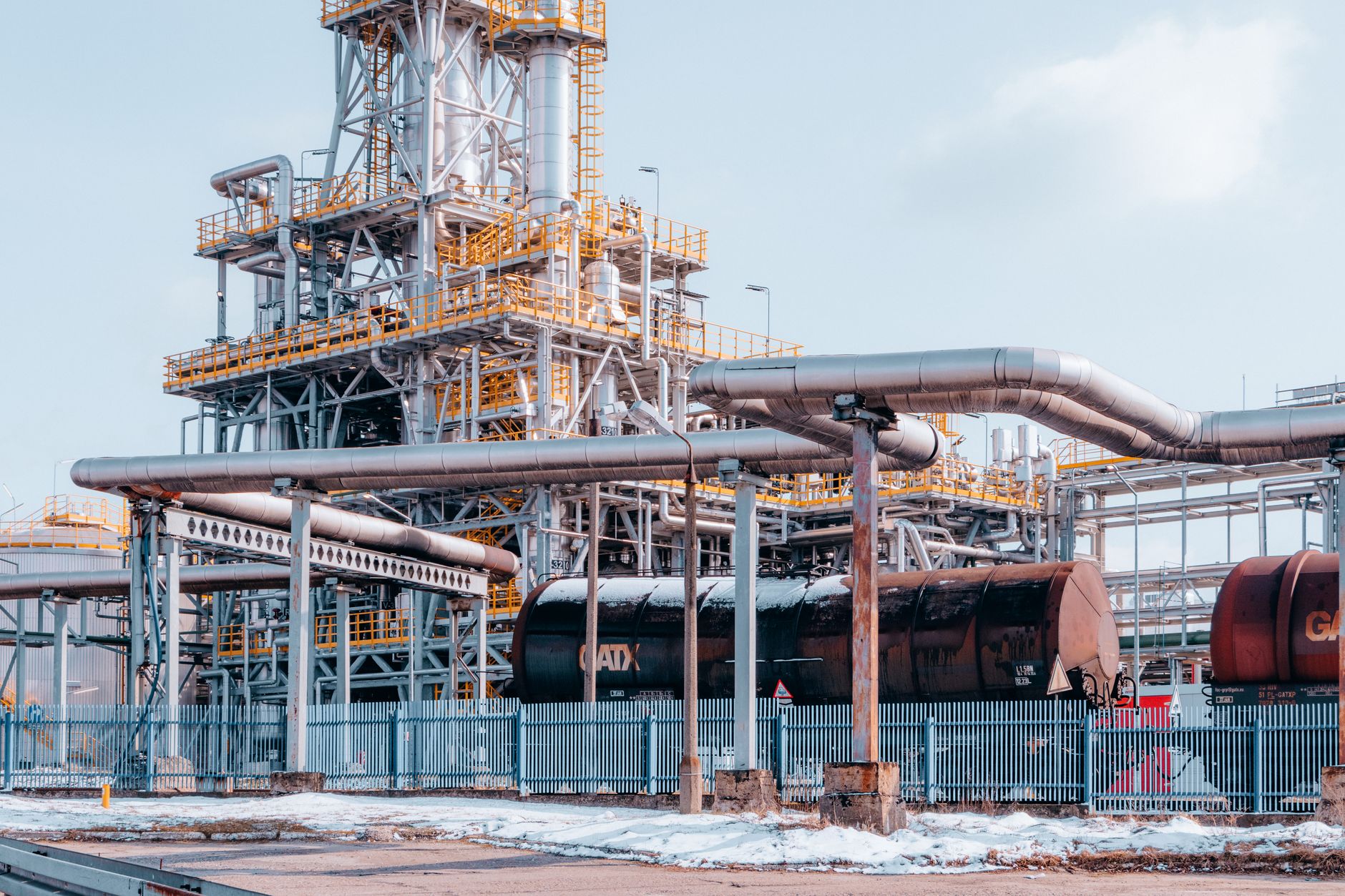
His successor will inherit that same structural tension. Iran still holds significant oil reserves and continues to export, often through informal channels and with the involvement of intermediaries in countries that maintain trade relationships outside the Western sanctions framework. How aggressively the next supreme leader pursues sanctions relief – or whether the Revolutionary Guard’s economic interests actually benefit from the opaque conditions that sanctions produce – will determine the trajectory of Iranian oil revenues for years.
The funeral itself is expected to be a dayslong event, drawing domestic and possibly international figures during a period when Iran’s internal political negotiations will be running in parallel. The Assembly of Experts, the clerical body responsible for selecting the next supreme leader, will be under pressure to move with enough speed to prevent a prolonged power vacuum while still managing the internal rivalries that any such selection inevitably surfaces.
For ordinary Iranians, the economic stakes are immediate. Inflation has remained elevated for years. Access to imported goods has been constrained. The job market, particularly for younger Iranians, has reflected the structural damage that prolonged sanctions and internal mismanagement have produced together. The question of who leads next is not abstract for the millions of households managing those conditions every day.
What the General’s Visibility Signals
The decision to emerge publicly, rather than remain in the background during the funeral preparations, carries meaning. Senior Guard figures have at various points stayed out of public view for security reasons or to avoid drawing attention during sensitive negotiations. The fact that the general is now visible suggests the Guard is confident enough in its internal position to project stability outward.
Whether that confidence is warranted will depend on how smoothly the succession process moves. Iran has navigated leadership transitions before, but never from this particular starting point – with the region under pressure from the ongoing conflict in Gaza, with Iran’s proxy networks in Lebanon, Syria, Iraq, and Yemen in various states of disruption or diminishment, and with the country’s economy carrying scars from years of isolation.
Markets Are Watching, Even If Quietly
Global oil markets track Iranian production levels as part of the broader calculus of OPEC-adjacent supply. Any signal that Iranian exports might surge under a more pragmatic successor – or contract further under a harder-line one – feeds directly into price modeling. Analysts in London, Houston, and Singapore will be monitoring the political signals coming out of Tehran over the coming days and weeks with exactly that variable in mind.
The Revolutionary Guard chief’s public reappearance is, on its surface, a security and political story. But every decision made inside Tehran’s funeral halls and political chambers over the next several weeks carries a dollar sign somewhere downstream. The question is not whether Iran’s economy will change after Khamenei – it will – but whether the institutions built to preserve his order will adapt to new realities or spend their energy resisting them.
The general walked back into public view. The rial, the oil fields, and the sanctions file are all still waiting to see what he and his colleagues intend to do next.