


Primo Brands is leaning on two familiar tools to defend its margins: tighter delivery routes and a smaller workforce. Both are within management’s control, and both can show up in results quickly. Neither does anything about the cost that may matter most, which is what it costs to move heavy product across the country.
That sets up the central question for anyone holding the stock for years rather than quarters. It is unclear whether the savings from route optimization and headcount reductions can outrun rising freight costs. Everything else in the story depends on which side of that race pulls ahead.
Why Water Is a Logistics Business First
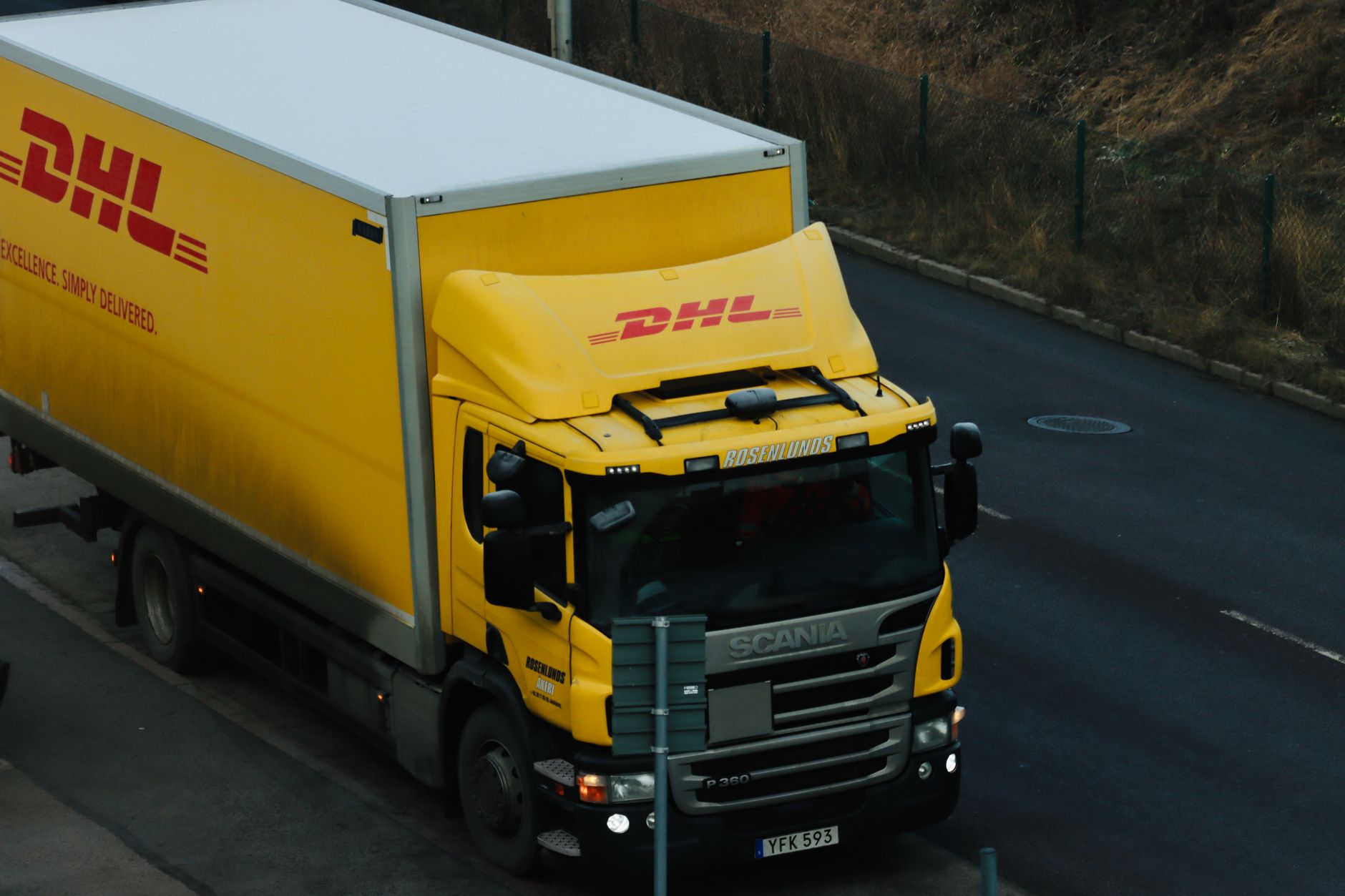
A company that sells bottled water and delivers it to homes and businesses is, in practical terms, a freight operator that happens to sell a beverage. The product is cheap relative to its weight and bulk. A truck full of it earns little per mile compared with a truck full of electronics or pharmaceuticals, so small changes in transportation cost move profit more than they would at most consumer companies.
That is why the two levers management has chosen make sense on paper. Route optimization attacks miles driven, fuel burned, and hours paid. Headcount cuts attack the payroll line directly. Both go after costs the company can influence, which is more than can be said for diesel prices or carrier rates.
What Each Lever Can and Cannot Deliver
Route optimization is a one-time gain dressed up as an ongoing one. A network that has not been redrawn in a while can yield real savings when stops are consolidated, deliveries are sequenced better, and trucks leave less empty space on the road. Once the obvious inefficiencies are gone, though, each additional improvement is smaller than the last. Investors should expect the early quarters of the effort to look better than the later ones.
Headcount cuts follow the same arc, with an added wrinkle. Cutting payroll lowers costs immediately, but the benefit applies only to the period in which the reduction happens. The following year, the comparison base has already absorbed it. Unless management keeps cutting, which cannot go on indefinitely in a business that needs drivers and warehouse staff to function, the tailwind fades.
Which roles go matters as much as how many. Trimming corporate overhead is one thing. Thinning out the people who load trucks, drive routes, and service customer accounts is another, because those cuts can show up later as missed deliveries, slower service, and customers who quietly switch to a competitor or a grocery-store alternative. A savings plan that damages the delivery experience can end up costing more than it saves.
Freight, by contrast, behaves like a toll on the whole operation. When carrier rates, fuel, or driver wages climb, they hit every mile of the network no matter how well the routes are drawn. A company can run a more efficient route and still pay more for it. That is the uncomfortable arithmetic behind management’s task: the savings are finite, and the cost they are meant to offset is not.
The Margin Math Investors Should Run
Margin protection is a ratio problem. On one side sit the dollars saved from fewer miles and fewer employees. On the other sit the dollars lost to higher freight. If the first number is larger and stays larger, margins hold or improve. If freight inflation keeps compounding while the savings level off, margins slip even though management is doing everything it said it would.
For a long-term holder, that makes the quality of the savings more important than the headline amount. A cost reduction that comes from permanently better routing is worth more than one that comes from a temporary hiring freeze or deferred spending. The first lasts for years. The second has to be reversed eventually, and the bill comes due at the worst possible time.
What to Watch Before Trusting the Plan
The simplest test is to track delivery and distribution costs against revenue from quarter to quarter. If that ratio improves while freight rates rise, the levers are working. If it stays flat or worsens, the savings are being consumed by the thing they were supposed to beat.
Service levels are the second signal. Watch for any hint that customers are noticing the cuts, whether through complaints, lost accounts, or slower volume growth in delivery channels. Cost discipline that quietly erodes the customer base is a bad trade, and it tends to appear in revenue before management acknowledges it.
The third is how management talks about the runway. A plan with a clear end point, such as a defined set of route changes and a stated reduction target, is easier to evaluate than an open-ended promise of efficiency. Investors who can see where the savings stop can measure whether freight has already caught up.
A Race With No Finish Line
Primo Brands has picked levers that are sensible and within its reach. That is not the same as having a winning hand. The company is trying to hold margins against a cost category it does not control, using tools whose yield shrinks the more they are used.
For patient investors, the case is not that the plan will fail or succeed. It is that the outcome depends on a spread between two moving numbers, and only one of them belongs to management. If freight keeps climbing after the easy route fixes and the first round of job cuts are already in the books, what is left to cut?