



A Half-Trillion-Dollar Bet on AI Infrastructure
Samsung Electronics and SK Hynix, South Korea’s two dominant semiconductor manufacturers, have announced plans to invest a combined $518 billion in a new computer chip manufacturing hub. The move positions both companies at the center of a global race to supply the hardware that artificial intelligence systems increasingly depend on.
The scale of the commitment is striking even by the standards of an industry accustomed to capital-heavy expansion. Chip fabrication facilities routinely cost tens of billions of dollars each, and the decision to concentrate that level of spending into a single hub signals that both companies expect AI-related demand to sustain itself well beyond a short-term technology cycle.
What’s Driving the Investment
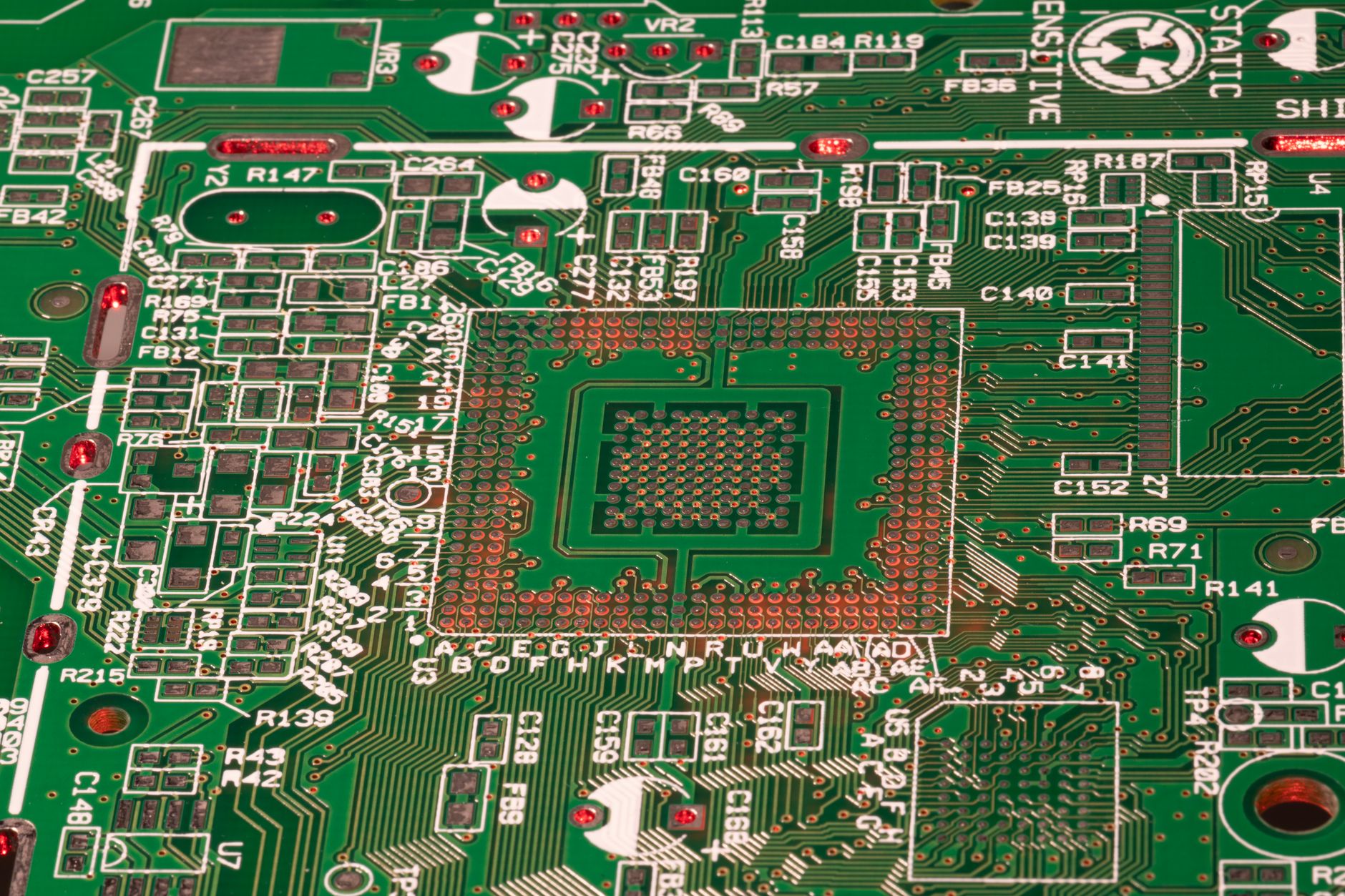
AI workloads – from large language models to image generation and real-time inference – place extraordinary pressure on memory and logic chips. The demand is not just for more chips, but for faster, more energy-efficient designs that can handle the computational density modern AI systems require. Samsung and SK Hynix are both major suppliers in this space, with SK Hynix in particular gaining significant ground as a leading producer of high-bandwidth memory, the specialized chip architecture that powers many of today’s AI accelerators.
For Samsung, the investment also carries a competitive edge beyond AI. The company has been working to close the gap with Taiwan’s TSMC in advanced logic chip fabrication, and a dedicated manufacturing hub could accelerate that effort by concentrating engineering talent, supply chains, and production capacity in one location. SK Hynix, meanwhile, has a clearer and more immediate return on investment in sight – the appetite for its memory products among AI hardware makers like Nvidia has already translated into sharp revenue growth.
South Korea’s government has been pushing to solidify the country’s position in global semiconductor supply chains, particularly as the United States and China continue a prolonged contest over chip technology access. A domestic hub at this scale serves national industrial policy as much as it serves the two companies’ balance sheets. The concentration of chip production in a single geography also reduces exposure to the kind of geopolitical disruptions that have repeatedly rattled electronics supply chains over the past several years.
The combined $518 billion figure places this among the largest coordinated industrial investments ever announced in the technology sector. For context, the U.S. CHIPS and Science Act allocated roughly $52 billion in subsidies to encourage domestic semiconductor manufacturing – a significant policy intervention, but a fraction of what Samsung and SK Hynix are now committing through private capital alone. The comparison underscores how much financial firepower the private sector is willing to deploy when demand signals are strong enough.
The Geography of Chip Power Is Shifting
For decades, semiconductor manufacturing has been concentrated in a handful of locations – Taiwan, South Korea, Japan, and parts of the United States. That geography is now under sustained pressure from every direction. The United States is subsidizing new domestic fabs. The European Union has its own chip act. China is spending heavily to reduce reliance on foreign chip technology. Into this environment, Samsung and SK Hynix are doubling down on South Korea’s existing strengths rather than dispersing investment across multiple regions.
That strategy carries its own risks. Concentrating $518 billion in a single hub creates a large, geographically fixed asset base in a country that sits in a neighborhood with considerable security considerations. South Korea shares a border with North Korea and operates within the diplomatic orbit of both the United States and China – two powers whose relationship with each other directly affects how semiconductor trade flows are organized. Any significant deterioration in regional stability would put the hub’s output and supply chains under pressure in ways that a more distributed investment strategy might partially avoid.

Execution Over Announcement
Large investment pledges in the semiconductor industry have a complicated track record when it comes to actually being delivered on schedule. Intel’s planned expansions in the United States and Germany have faced delays and cost revisions. TSMC’s Arizona fabs ran into workforce and timeline challenges. The announced figure of $518 billion is a target, not a completed project, and the timeline over which Samsung and SK Hynix expect to deploy that capital will determine how much near-term impact the hub actually has on global chip supply.
What the announcement does confirm is that both companies see AI-driven chip demand as durable enough to justify infrastructure investment at a timescale measured in decades, not quarters. Building a manufacturing hub of this scale involves land acquisition, facility construction, equipment procurement, workforce development, and regulatory approvals – a process that typically unfolds over years even when everything proceeds smoothly.
SK Hynix’s current market position may give it more immediate confidence in the investment. Its high-bandwidth memory chips are already supply-constrained relative to what AI chip customers want to buy, meaning the company isn’t speculating about whether demand exists – it’s trying to catch up with orders it already has. Whether Samsung can replicate that demand clarity in its own product lines, particularly as it continues to compete for advanced foundry contracts, is the question that will ultimately shape how much of the $518 billion commitment delivers the returns both companies are anticipating.