



Caught Between a Claim and a Bill
A quiet regulatory shift has handed insurance companies a way to move roof replacement costs off their books – and directly onto homeowners, with the timing landing squarely at the start of hail and hurricane season.
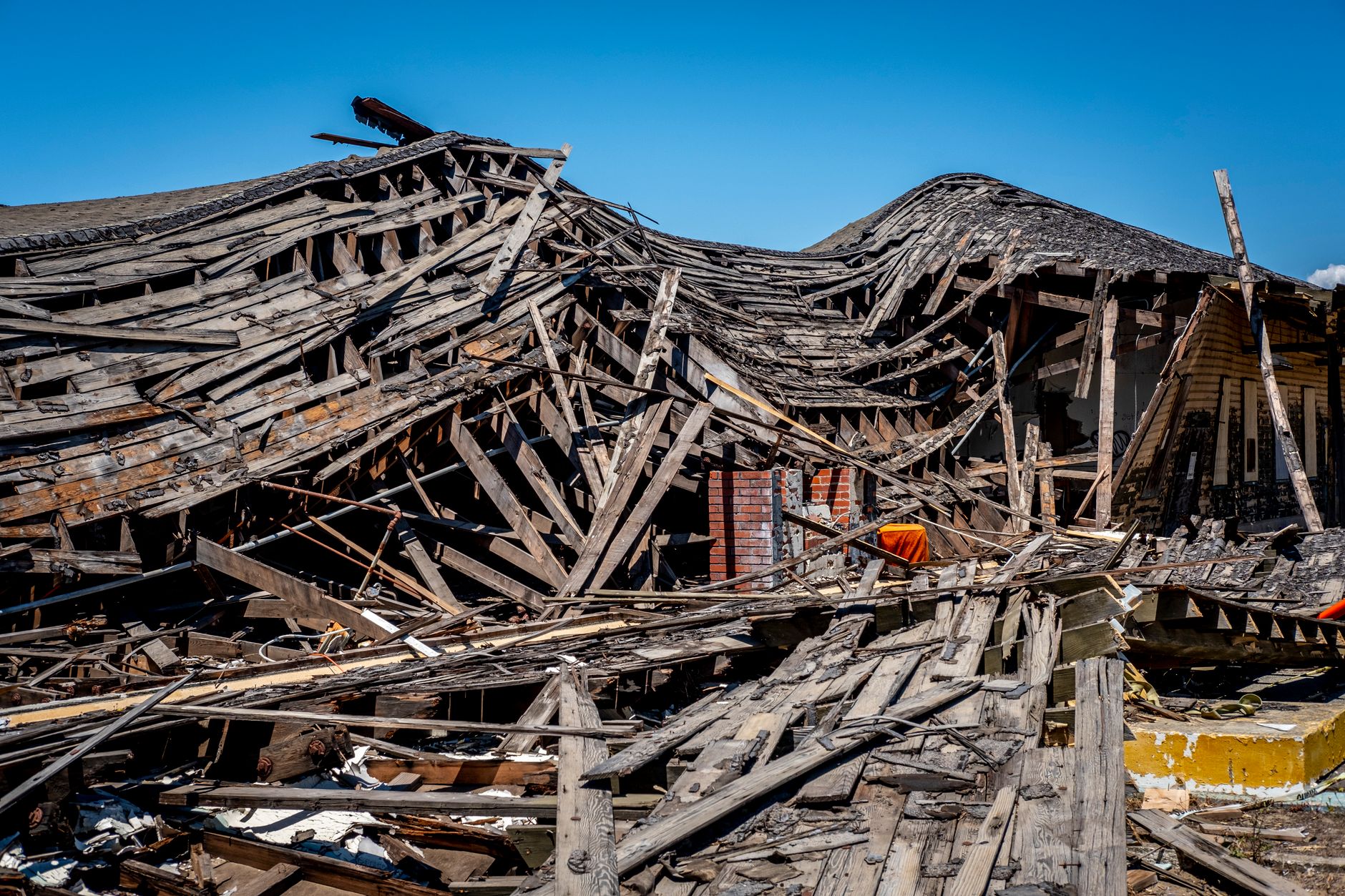
What the Rule Change Actually Does
The mechanics are straightforward and the financial exposure is real. Homeowners who discover significant roof damage now face a choice that did not exist in quite the same form before: file a claim and risk triggering a premium increase, or pay for repairs and replacement out of pocket and avoid the coverage penalty entirely. Neither path is clean.
The federal rule in question gave insurers the regulatory cover to restructure how roof damage is handled under standard home policies. Where carriers previously bore more of the replacement burden, the new framework allows them to shift that liability toward the policyholder – legally, and with little fanfare at the point of sale. Most homeowners won’t know the terms have changed until damage occurs and they open a claim.
That dynamic matters most right now. Hail season runs through spring and summer across much of the central and southern United States. Hurricane season officially opens June 1 and runs through November. The window between when a homeowner might discover damage and when they’d need to make a financial decision has compressed, because storm damage rarely waits for anyone to read the fine print on their revised declarations page.
The premium increase risk attached to filing a claim is not hypothetical. Insurers track claims history when recalculating annual rates, and a single roof-related filing – even one that pays out modestly – can affect what a homeowner pays for years. That threat alone is enough to push many toward absorbing the repair cost directly, which is precisely the outcome insurers benefit from when a new rule makes that calculus more common.
The Financial Squeeze Already Hitting the Housing Market
Home insurance costs have been climbing sharply across storm-prone states for several years, driven by carrier losses in Florida, Texas, Louisiana, and parts of the Midwest where severe weather has become more frequent and more expensive to underwrite. Several major insurers pulled back from high-risk markets entirely, leaving homeowners with fewer options and less negotiating leverage. The roof rule change lands inside that already-strained environment.

For homeowners in older housing stock – where roofs may already be aging toward the end of their serviceable life – the financial math gets worse quickly. A full roof replacement can run anywhere from $10,000 to $30,000 or more depending on square footage, materials, and local labor costs. That is not a discretionary expense, and it is not one that a standard emergency fund is typically sized to absorb. Facing that bill without insurance support, or accepting a partial payout that leaves a significant gap, is the new default for a growing number of policyholders.
The premium increase threat that accompanies a filed claim adds another layer. Homeowners essentially have to weigh the known, immediate cost of self-funding repairs against the uncertain but ongoing cost of higher premiums that could compound over three to five years following a claim. For many households, the premium risk wins, meaning the insurer collects years of future payments without ever having paid out on the damage event that technically qualified for coverage.
This is where the rule change translates directly into insurer earnings. When policyholders absorb costs they previously transferred to their carrier, loss ratios improve – the core metric that determines underwriting profitability. Insurance companies have been under significant pressure from investors and ratings agencies to demonstrate margin recovery after years of catastrophic loss events drove combined ratios above 100%, meaning carriers were paying out more in claims and expenses than they collected in premiums. A structural rule that reduces claim frequency or average claim size moves that ratio in the right direction, on paper, without requiring any operational change inside the company.
It also creates a situation where the risk transfer that homeowners believed they were purchasing – and paying for, every year, often at higher rates – quietly narrows in scope. The policy renews. The premium may rise. The actual protection shrinks. That gap between what policyholders assume they own and what the policy now delivers is, for insurers, a margin expansion story. For the homeowner standing in a driveway after a storm, looking at damaged shingles, it is something else entirely.
A Decision With No Good Options
The two-path problem – file and face rate increases, or pay and avoid them – has no neutral exit. A homeowner who delays addressing roof damage to avoid both options runs a third risk: the damage worsens, water intrusion follows, and what began as a roof issue becomes a structural or mold remediation problem that dwarfs the original repair cost. Insurance policies frequently exclude damage deemed to result from neglect or deferred maintenance, which means the longer a homeowner waits, the more likely they are to end up fully uninsured for whatever the roof damage eventually causes.

The federal rule that enabled this shift did not generate significant public attention when it took effect. It arrived without the kind of consumer backlash that typically follows visible premium increases or high-profile claim denials, because policy restructuring at the regulatory level rarely surfaces in mainstream coverage until storm season makes the consequences concrete. That moment, for a large number of homeowners, is right now.