



A Private Giant Pushes Toward a Nine-Figure Revenue Mark
SpaceX has set its sights on a $100 billion revenue target, and a newly disclosed deal involving computing power is moving the company measurably closer to that number. For a company that still operates outside public markets, the milestone would mark a financial scale that few private enterprises have ever approached.
The computing-power agreement, though specific financial terms were not fully detailed in disclosures, adds a fresh commercial revenue stream to a business already generating income from satellite internet, government launch contracts, and commercial spaceflight services. It signals that SpaceX is actively building out its revenue base well beyond rocket launches.

What the $100 Billion Target Actually Means
A $100 billion annual revenue figure would place SpaceX in the company of some of the most financially significant corporations in the world. For context, that number exceeds the annual revenues of many Fortune 100 companies that have operated for decades. SpaceX, founded in 2002 by Elon Musk, has compressed what normally takes generations of corporate development into roughly two decades of operation.
The ambition behind that target is not entirely surprising given the trajectory of the company’s flagship product lines. Starlink, the satellite internet constellation SpaceX has been deploying since 2019, has grown into a substantial recurring revenue source, with subscribers across dozens of countries paying monthly fees for broadband access. That kind of predictable, subscription-based income fundamentally changes how investors and analysts value the company, shifting it from a pure launch provider to something closer to a diversified technology and infrastructure business.

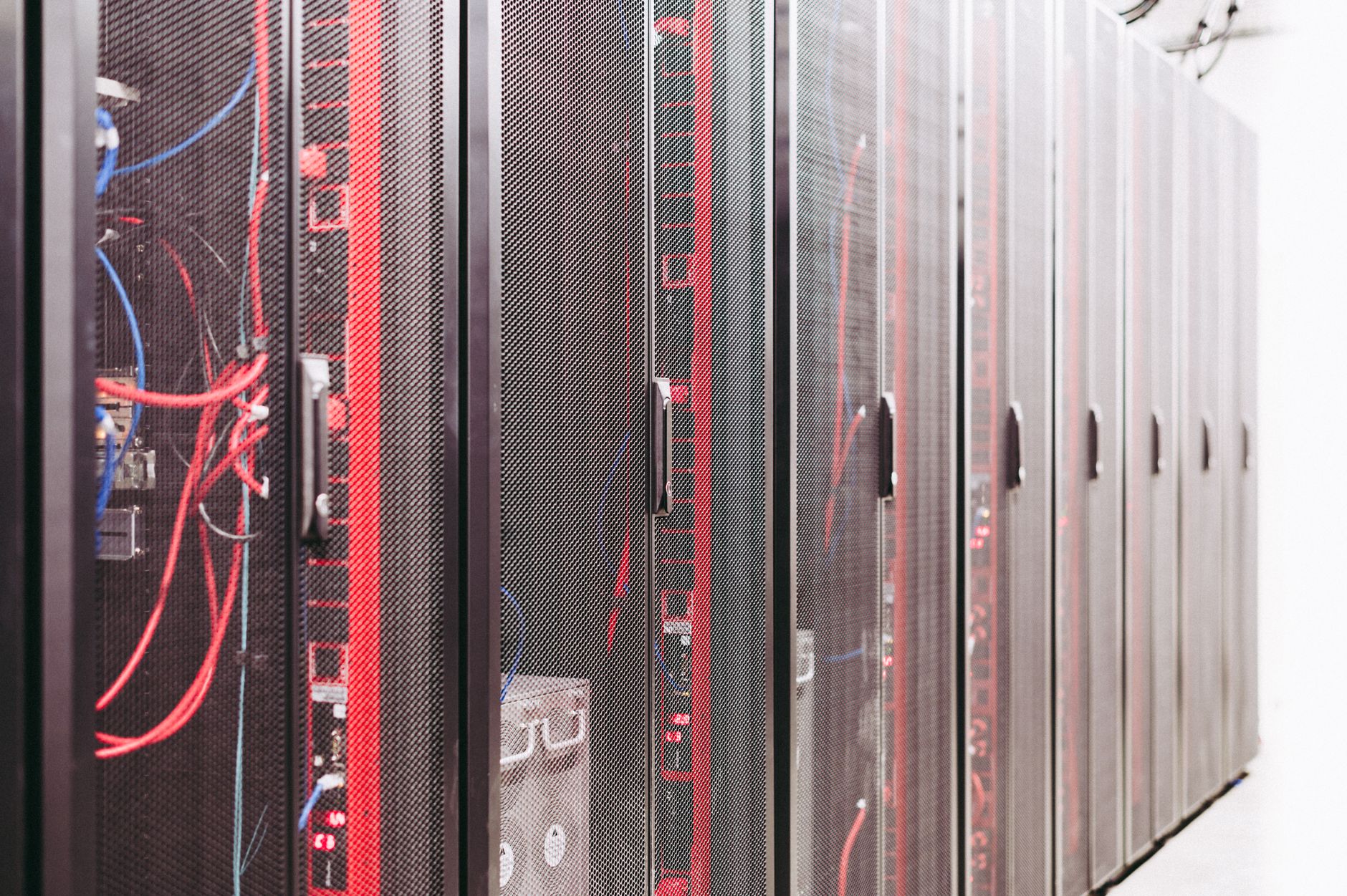
The newly disclosed computing deal fits into a pattern SpaceX has been quietly developing – using its existing infrastructure, particularly the orbital and ground-based assets tied to Starlink, to offer services that go beyond internet connectivity. Computing power delivered via satellite or ground infrastructure is an area drawing significant commercial interest as artificial intelligence workloads and data processing demand continue to grow. SpaceX’s position in low-Earth orbit gives it infrastructure that no traditional data center company can easily replicate.
That positional advantage matters because the computing deal is not just about one contract’s dollar value. It establishes SpaceX as a provider in a market where demand is expanding rapidly, and where long-term contracts tend to be large. A single agreement of this type, if it leads to follow-on deals, could represent a meaningful portion of the gap between current revenues and the $100 billion goal.
Revenue Diversification Beyond Launches
SpaceX’s core launch business – sending satellites, cargo, and crew to orbit for NASA and commercial clients – remains the company’s most publicly visible operation. The Falcon 9 rocket has become the workhorse of the global launch industry, and Starship, still in active development and testing, is positioned to eventually handle even larger payloads at lower cost per kilogram. But launches alone, even at SpaceX’s current cadence and pricing, are unlikely to carry the company to $100 billion in revenue without significant contributions from other business lines.
Starlink is the clearest path. Industry analysts have estimated Starlink’s annual revenue in the range of several billion dollars, with growth continuing as the service expands into maritime, aviation, and enterprise markets. SpaceX has also secured government contracts for Starlink terminals in conflict zones and for military communications, adding less price-sensitive, high-margin customers to the subscriber base. Those contracts carry strategic value that extends beyond their immediate revenue contribution.
The addition of computing services as a disclosed revenue category suggests SpaceX’s leadership is thinking about the company’s commercial ceiling differently than outsiders might expect. Rather than simply scaling launches and subscriptions, the company appears to be positioning its orbital infrastructure as a platform – one that can support services not yet fully defined. That approach, if it holds, means the $100 billion target is less a projection based on existing products and more an argument that entirely new revenue categories will emerge from the same physical assets already in orbit.
That is an aggressive bet. But SpaceX has placed aggressive bets before and covered them.
Valuation Pressure and the Private Market Question
SpaceX’s revenue ambitions carry direct implications for how the company is valued in private markets. The company has been valued at figures well above $100 billion in recent funding rounds, a number that already implies investors expect the revenue target to be achieved. If computing deals and Starlink growth continue accelerating, that valuation looks defensible. If growth stalls or the revenue mix fails to materialize, private investors holding equity at those prices face meaningful downside with no public market exit available in the near term.
Elon Musk has indicated in past statements that SpaceX is not planning an imminent initial public offering, though Starlink has been discussed as a potential standalone listing at various points. A Starlink IPO, if it were to happen, would give investors a cleaner look at the subscription business’s unit economics and separate it from the capital-intensive launch and development operations. Without that transparency, the path to validating the $100 billion revenue goal remains largely a matter of trust in management’s projections and deal disclosures as they emerge.
The computing deal is, in that context, more than a contract. It is a data point in an argument SpaceX is making to private investors, potential partners, and government clients about what kind of company it intends to be. Whether the disclosed agreement is worth tens of millions or hundreds of millions annually, it moves a number – and in the race toward a $100 billion revenue target, every disclosed number is watched closely by people with a great deal of money already committed to the outcome.