



A Regional Call Built on Earnings, Not Just Hope
Standard Chartered moved to overweight Asia ex-Japan equities on Monday, singling out Taiwan and China as its top picks within the region. The bank’s positioning reflects a specific set of conditions converging at once: strong forward earnings, accelerating AI-driven capital investment, and fading pressure from oil-supply concerns that had weighed on broader emerging market sentiment.
The call is deliberate in its geography.
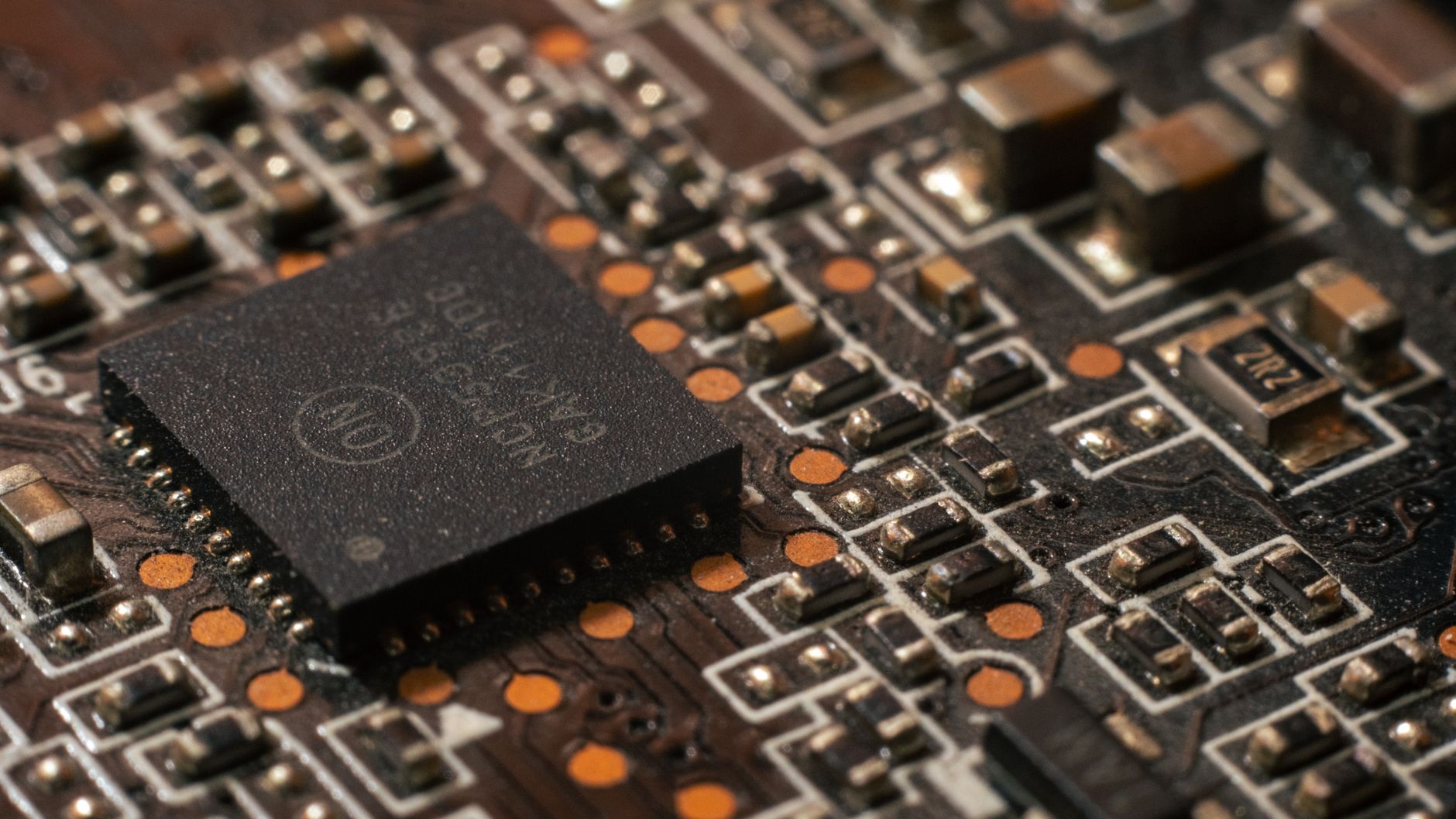
Taiwan sits at the hardware center of the global AI buildout, supplying the chips and advanced packaging that data center operators across North America, Europe, and Asia continue to order in volume. China, meanwhile, has shown enough earnings resilience – and enough domestic AI activity of its own – to hold a place alongside Taiwan rather than simply benefiting from the same upstream demand chain. Standard Chartered sees both markets as capable of delivering on earnings expectations rather than merely trading on macro optimism.

What’s Driving the Overweight
The AI investment angle is the clearest thread running through the bank’s logic. Spending on AI infrastructure has not slowed in any meaningful way through the first half of 2026, and companies across the Taiwan semiconductor supply chain are among the most direct financial beneficiaries of that sustained demand. When hyperscalers and cloud platforms commit capital to GPU clusters and custom silicon, a significant portion of that money flows through Taiwanese manufacturers before it reaches the finished data center floor.
Earnings expectations in the region have held up better than many anticipated heading into mid-year. That matters because overweight calls on Asian equities have historically stumbled not on the macro thesis but on execution – companies either missing estimates or guiding lower in ways that undermined the original positioning. Standard Chartered’s emphasis on earnings prospects, rather than purely on valuation or sentiment, suggests the bank is anchoring its view to something more verifiable than regional momentum alone. Citigroup made a similar bet on AI and earnings when it set its S&P 500 target at 8,100, though that call was directed at U.S. markets rather than Asian ones.
Oil is the third factor, and arguably the least obvious one. Easing oil-supply concerns have reduced one of the more persistent cost pressures on Asian economies that import the majority of their energy. Lower oil prices improve the earnings math for a broad range of manufacturers, logistics companies, and industrial firms across the region. For China especially, where energy import costs feed directly into industrial production margins, softer crude pricing is a quiet but material tailwind.
China’s Place in the Thesis
China’s inclusion alongside Taiwan is worth examining closely, because the two markets attract money for different reasons. Taiwan draws investors who want direct exposure to the AI hardware cycle – a relatively clear, if cyclical, earnings story. China is more complicated. Domestic consumption remains uneven, property sector stress has not fully resolved, and geopolitical risk continues to price into Chinese equities in ways that have frustrated bulls repeatedly over the past several years.
Standard Chartered’s decision to favor China alongside Taiwan implies the bank sees current valuations as adequately pricing those risks while the earnings picture provides enough upside to justify the position. China has been developing its own AI ecosystem – from large language models to domestic chip alternatives – with enough momentum that corporate earnings in technology and related sectors have shown genuine improvement rather than simply recovering from a low base. That distinction matters when building a case for overweighting a market that many institutional investors have treated with skepticism.
There is also the broader Asia ex-Japan framing to consider. By positioning the entire region as overweight and then identifying Taiwan and China as the preferred names within it, Standard Chartered is effectively saying that AI-related earnings power and energy cost relief are strong enough to lift the region’s investment case above other global equity options. That is not a minor claim given that European and U.S. equity markets have absorbed significant institutional capital in 2026 on their own AI-related narratives.

The Risks That Come With the Call
Any overweight on Asia ex-Japan carries a familiar set of risks that Standard Chartered’s optimism does not erase. Taiwan’s equity market is heavily concentrated in semiconductor names, which means a demand slowdown from major AI spenders – or an inventory correction in the chip supply chain – could quickly unwind the earnings thesis. The AI capital expenditure cycle has shown durability so far, but it is not immune to the same budget pressures that eventually hit every major technology investment wave.
China’s risks are structural and persistent. Regulatory unpredictability has not disappeared. The property sector, while somewhat stabilized, has not recovered in a way that fully restores domestic consumer confidence. And the geopolitical discount embedded in Chinese equities – particularly around Taiwan Strait tensions – remains a factor that can move markets sharply on short notice, regardless of how compelling the underlying earnings story appears on paper.
Standard Chartered made its overweight call on Monday, June 22, 2026. Whether Taiwan’s chip earnings hold through the back half of the year – and whether China’s AI sector can sustain the kind of corporate results that justify the bank’s positioning – is what the rest of 2026 will answer.
Taiwan Semiconductor Manufacturing Company’s next earnings release will be one of the first real tests of that thesis.