


Futures Pull Back as New Trading Half Begins
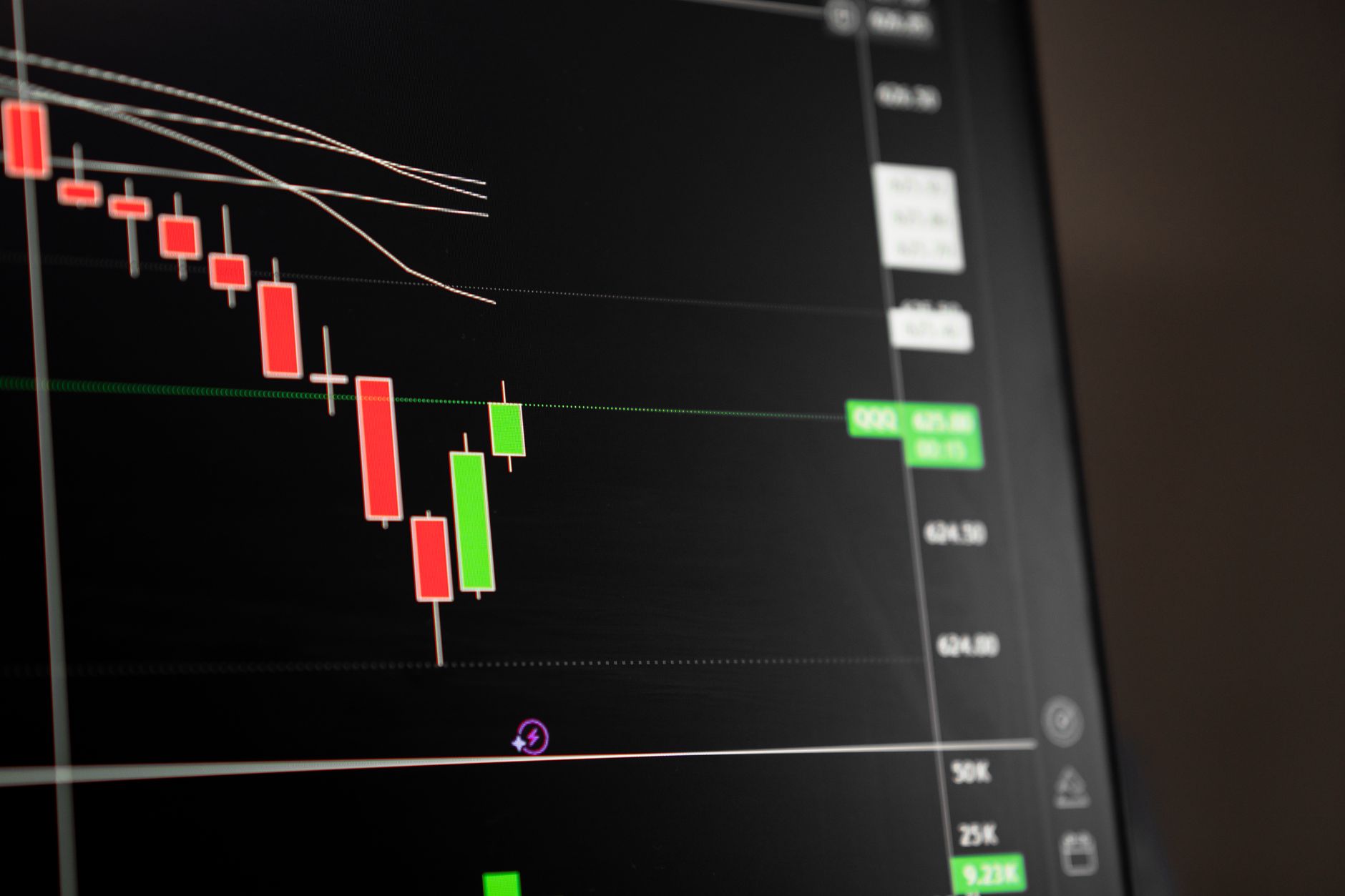
Stock futures pointed to a lower open on Wednesday to kick off the second half of the trading year, pulling back after major indexes closed the first half on a strong note. The cautious tone heading into the session traces directly to one variable: what Federal Reserve Chair Kevin Warsh says about interest rates.
Markets ended the first half with broad gains, but that momentum has not carried cleanly into early Wednesday trading. Investors are holding back, positioning themselves carefully before any signal from Warsh that might shift expectations around borrowing costs for the months ahead.
Why Warsh’s Words Carry This Much Weight Right Now
Kevin Warsh stepped into the Federal Reserve Chair role carrying a reputation for directness, and markets have learned quickly that his public commentary tends to move prices. Any statement he makes about the pace or direction of rate adjustments lands differently than typical Fed communication – traders treat his remarks as a live variable, not background noise.
Interest rate expectations have been a defining force across asset classes throughout 2025 and into 2026. Equity valuations, bond yields, and the dollar have all shifted repeatedly in response to Fed signals. Going into the second half of the year, the question of whether rates hold, rise, or fall remains genuinely open, and that ambiguity is exactly what makes Warsh’s scheduled comments so closely watched on a day when futures are already under mild pressure.
The setup creates an unusual dynamic at the open of a new trading half. Normally, the start of the second half prompts fresh capital allocation, sector rotation, and repositioning by institutional players. That activity is still happening, but it is running underneath a ceiling – most large moves are likely deferred until Warsh speaks and traders have something concrete to price in.
Rate-sensitive sectors, including utilities, real estate, and financials, tend to show the sharpest reactions when Fed language shifts. If Warsh signals any openness to cuts, those sectors could recover quickly from early weakness. If he reinforces a hold or hints at further tightening, the pressure on futures could deepen through the session and into the close.
A Strong First Half Sets a High Bar
The first half of the trading year ended on a high note for major indexes, which means the second half begins with elevated baselines and, in some corners of the market, stretched valuations. Starting a new quarter from a position of strength is not always an advantage – it can mean there is less room to run before resistance levels come into play.
That context sharpens the importance of catalysts. Without a clear driver to push prices higher from already-elevated levels, markets tend to drift or consolidate. Warsh’s comments could serve as that catalyst in either direction – either validating continued gains or introducing the kind of uncertainty that triggers a broader pullback.
What Traders Are Watching Beyond the Fed
Beyond the Warsh commentary, the broader macro backdrop heading into the second half includes ongoing questions about consumer spending, corporate earnings trajectories, and the labor market. Each of those feeds into what the Fed decides to do, which in turn shapes how investors price equities, bonds, and cash instruments.
For investors holding cash or short-duration instruments, the rate environment still matters considerably. CD rates continue to pay two to three times the national average in some cases, which keeps the competition between risk assets and safer vehicles real – especially if equities are showing softness at the open of a new half.
Wednesday’s session, taken alone, may not define the second half’s character. But the combination of a weaker futures open after a strong first half, with a Fed chair’s remarks scheduled and undelivered, creates the kind of suspended moment where a single press conference can reset sentiment for weeks. Warsh knows the market is listening. The question is whether what he says gives investors a reason to buy into the dip – or confirms that caution was the right call all along.