



Federal Sweep Targets Foundry Workforce
A two-year federal investigation into the use of fraudulent identity documents ended with the arrest of 48 workers at a metal casting company in South Carolina. Immigration and Customs Enforcement agents carried out the operation after building a case that centered on employees allegedly using false identification to secure and maintain employment at the facility.
The arrests put a spotlight on how document fraud functions as an entry point into industrial labor markets – and on how long such arrangements can go undetected inside manufacturing operations before federal investigators act.
What the Investigation Covered
The probe stretched over two full years before resulting in any arrests, a timeline that reflects the resource intensity of document fraud cases. Investigators had to establish not only that false documents were used, but trace them through employment verification records, payroll systems, and identity databases. That kind of groundwork distinguishes these operations from routine immigration enforcement sweeps, which typically move faster and target individuals rather than an embedded workforce inside a specific employer.
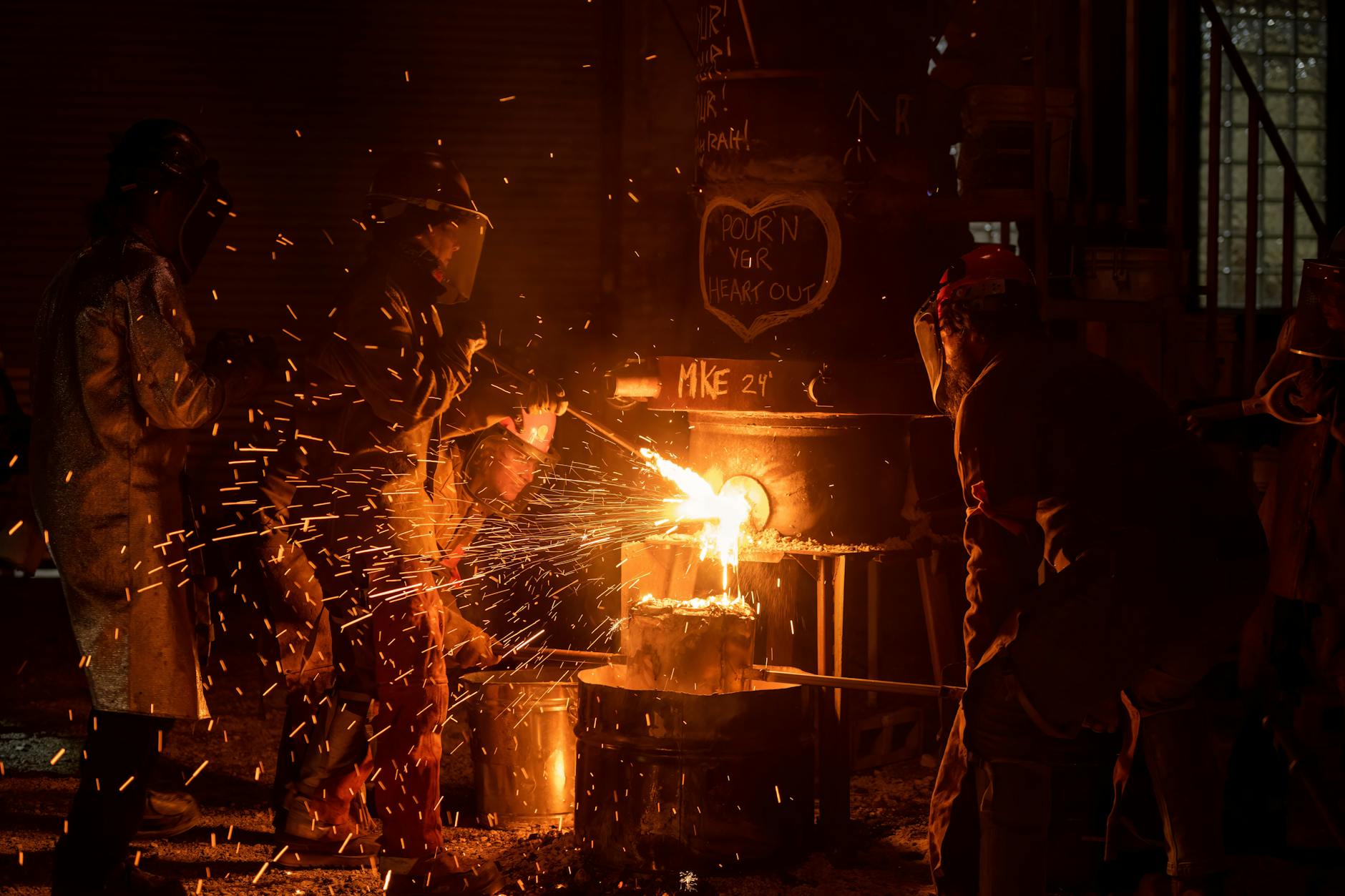
The target was a metal foundry – a sector that relies heavily on manual labor and operates with tight margins, making it particularly dependent on a stable, low-cost workforce. Metal casting and foundry work ranks among the more physically demanding manufacturing roles in the U.S., and facilities in states like South Carolina have historically drawn workers from immigrant communities filling positions that see high turnover and low competition from native-born applicants.
ICE did not publicly name the specific foundry involved in the South Carolina case. The 48 individuals detained represent what federal authorities characterized as the outcome of a coordinated identity document investigation rather than a workplace raid conducted on suspicion alone.

Workforce and Employer Exposure
For manufacturers operating in sectors like metal foundry work, the legal exposure from a case like this runs in multiple directions. Employers face scrutiny over their I-9 employment eligibility verification processes – the federal forms that require workers to present identity and work authorization documents at the time of hire. When those documents are fraudulent and the employer fails to detect them, the company may face civil penalties even if criminal intent cannot be proven.
South Carolina has become an increasingly active state for manufacturing investment, drawing foreign and domestic companies into automotive supply chains, aerospace components, and metal fabrication. Labor demand in these sectors has pressured hiring pipelines, and document fraud tends to fill gaps where legal labor supply falls short of what employers need to stay operational.
Broader Pressures on Industrial Labor
The two-year duration of the investigation points to how deeply document fraud can embed itself in a workplace before enforcement catches up. Workers who use false identification often hold jobs for years, paying taxes under mismatched Social Security numbers and building tenure inside companies that may have little incentive to look closely at paperwork that was accepted at the point of hire. By the time investigators have enough to act, the workers have become integrated into production schedules and shift rotations that managers rely on daily.
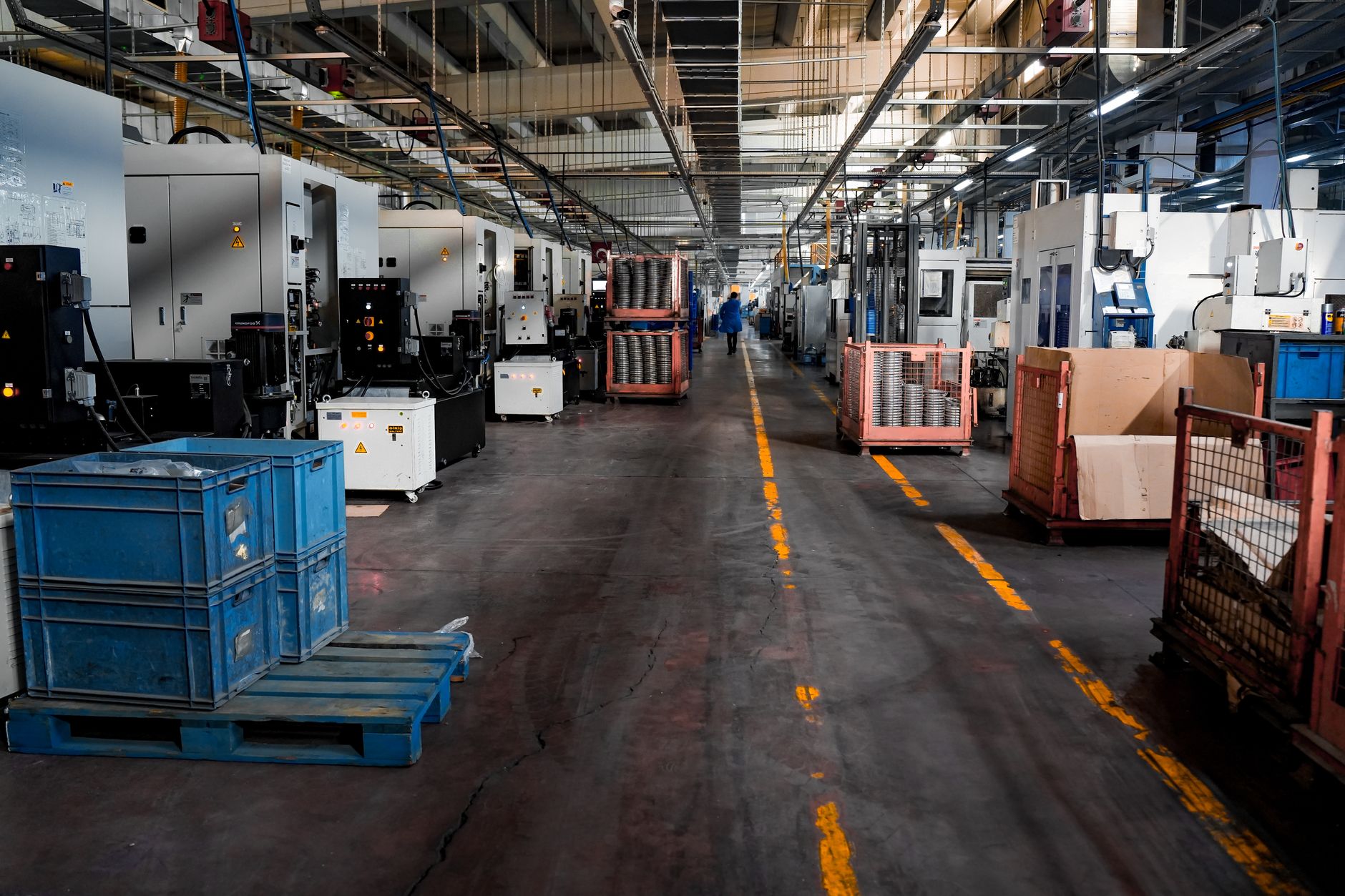
That creates a disruptive economic reality when enforcement does arrive. A single operation removing 48 workers from one facility does not just affect those individuals – it creates an immediate labor gap that the employer must fill, often quickly, to avoid halting production. For foundry operations running continuous casting or heat treatment processes, even short-term workforce disruptions carry direct cost consequences.
The use of false identity documents as a labor market mechanism has drawn attention from both immigration enforcement agencies and employer-side legal counsel, particularly as E-Verify adoption – the federal electronic employment eligibility system – remains voluntary in most states. South Carolina is among the states that mandate E-Verify use for certain categories of employers, which raises questions about where the verification process broke down in this case, or whether the fraudulent documents were sophisticated enough to pass automated checks.
ICE has not released details about the types of documents involved, the nationalities of the 48 detainees, or whether any charges have been filed against the employer. Each of those details would shape the legal and economic aftermath considerably – the difference between a company facing a workforce replacement problem and one facing federal prosecution is not a small one.
What the next phase of this case looks like for the foundry itself – whether it faces civil fines, a full I-9 audit, or a criminal referral – has not been made public. Forty-eight empty positions on a foundry floor is the visible part. The liability exposure behind it may run considerably deeper.