



A Warming Forecast With Economic Weight
The United Nations weather agency has released a report assigning a three-in-four probability that the next five years will average more than 1.5 degrees Celsius above pre-industrial temperatures. That is not a distant scenario buried in a long-range projection – it is a near-term forecast covering the period most businesses, governments, and central banks are actively planning around right now.
The 1.5-degree threshold carries weight far beyond atmospheric science. It is the boundary that international climate agreements have treated as the line between manageable disruption and accelerating damage to agriculture, infrastructure, coastal real estate, and insurance markets. A 75 percent probability of crossing it within five years puts that damage timeline on the same horizon as a typical corporate strategic plan.

What the Threshold Actually Means for Markets
When economists and climate scientists discuss the 1.5-degree Celsius mark, they are measuring average global surface temperature against the baseline recorded before large-scale industrial activity began – roughly the mid-19th century. Every fraction of a degree beyond that baseline correlates with measurable increases in extreme weather frequency, crop yield volatility, and the physical destruction that insurers and reinsurers price into their models.
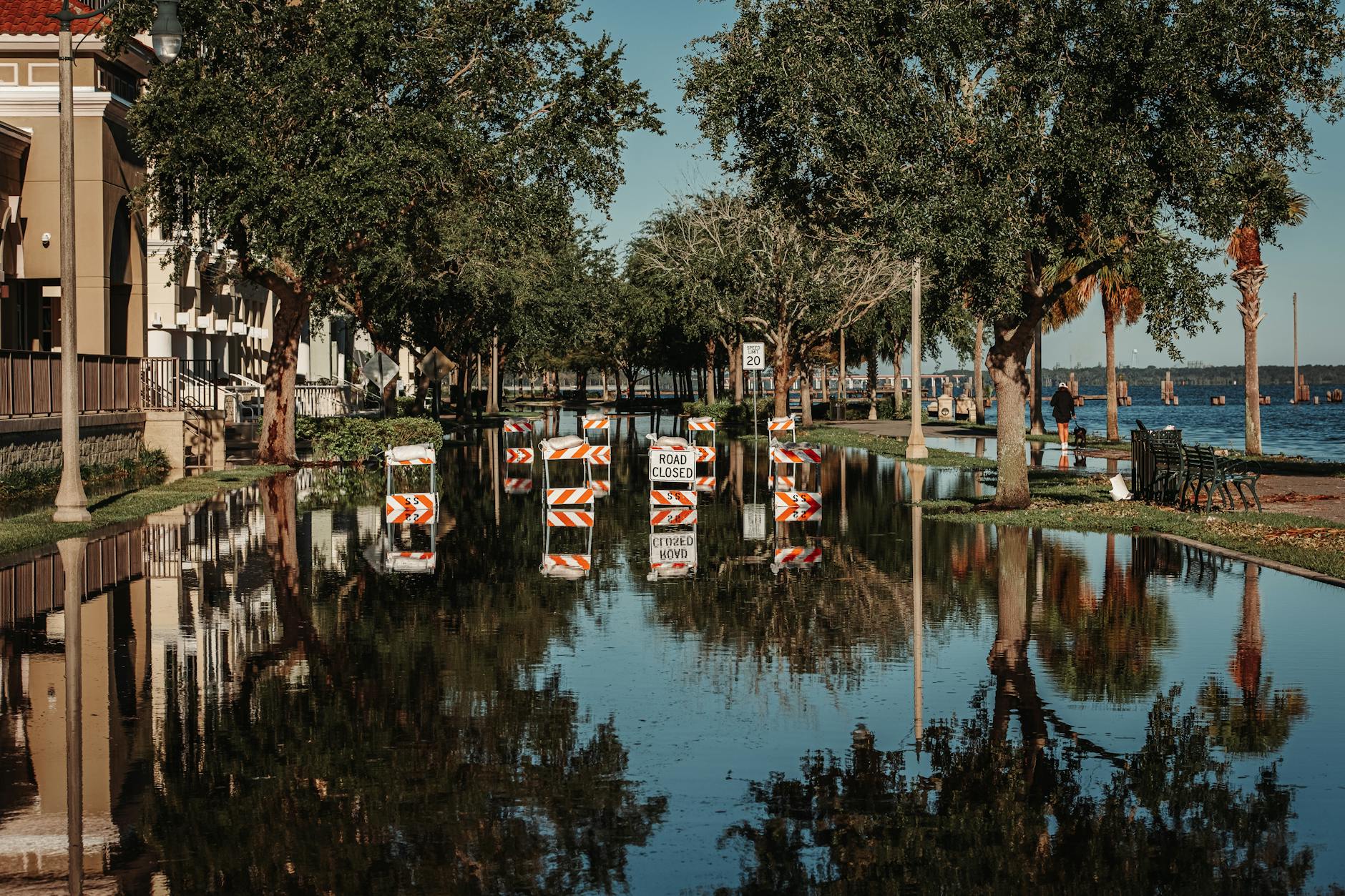
Insurance losses from weather events have been climbing for years, and the pricing pressure has already pushed several major carriers to exit markets in climate-exposed states. Crossing the 1.5-degree average does not cause a single catastrophic event – it raises the floor on how often severe events occur, which is precisely the kind of systemic shift that is difficult to hedge against. The five-year window in the UN report means that floor could be structurally higher within the current business cycle.
Agricultural commodity markets are particularly exposed. Temperature averages above 1.5 degrees Celsius are associated with more frequent and more severe droughts in key grain-producing regions, along with flooding patterns that disrupt planting schedules across Southeast Asia and sub-Saharan Africa. Food inflation driven by climate disruption is different from inflation driven by monetary policy – central banks cannot raise interest rates to make rain fall in the right places at the right times.
Real estate markets face a slower but equally significant reckoning. Properties in flood zones, wildfire corridors, and regions with extreme heat exposure are already seeing valuation pressure in places where mortgage lenders and local governments have begun factoring climate risk into underwriting and zoning decisions. If the five-year average does exceed 1.5 degrees Celsius, that repricing process is unlikely to slow down.

Government Budgets and the Cost of Inaction
Beyond private markets, the public sector balance sheet absorbs enormous climate-related costs – disaster relief, infrastructure repair, emergency health spending during heat events, and subsidies to keep insurance available in vulnerable regions. The UN report’s probability estimate gives fiscal planners a quantified near-term risk rather than a theoretical long-run concern. Three-out-of-four odds would prompt serious contingency planning in almost any other policy domain.
The regulatory environment around climate-related financial disclosure has been shifting, with various jurisdictions moving toward requiring companies to quantify their exposure to physical climate risk. A 75 percent probability of exceeding the 1.5-degree threshold in the next five years is exactly the kind of data point those disclosure frameworks are designed to surface for investors, since it shortens the timeline on risks that many corporate filings still treat as long-term or speculative.
Reading the Numbers Carefully
It is worth being precise about what the UN report does and does not say. The finding is that the five-year average temperature will exceed 1.5 degrees Celsius above pre-industrial levels – not that every single year will cross that line, and not that warming will permanently stay above it afterward. Averages smooth out individual years that run hotter or cooler, so the actual finding implies sustained warmth across the period rather than one outlier year pulling the number up.
That distinction matters economically because sustained multi-year warmth creates compounding effects that a single hot year does not. A farmer recovering from one drought season can replant. A region that experiences drought conditions across three or four consecutive growing seasons faces soil degradation, groundwater depletion, and population movement. Financial systems can absorb a single shock; repeated shocks within the same short window strain capital reserves and test the solvency assumptions built into long-dated obligations like pension funds and sovereign debt.
The UN agency’s three-out-of-four probability estimate is, by any actuarial standard, a high-confidence forecast for a major risk factor. Insurers typically act on far lower probabilities when structuring coverage and reserves. Investment banks build stress tests around scenarios their own models assign single-digit likelihoods. A 75 percent chance of breaching a threshold that restructures physical risk across multiple asset classes, within a five-year window, is the kind of number that tends to look obvious in retrospect – and costly to have ignored.
The harder question is whether the institutions with the longest planning horizons – sovereign wealth funds, pension managers, development banks – are adjusting their models fast enough to account for a world where 1.5 degrees is not a future boundary to avoid but a near-term average to plan around. The UN report does not answer that. It just moved the deadline.