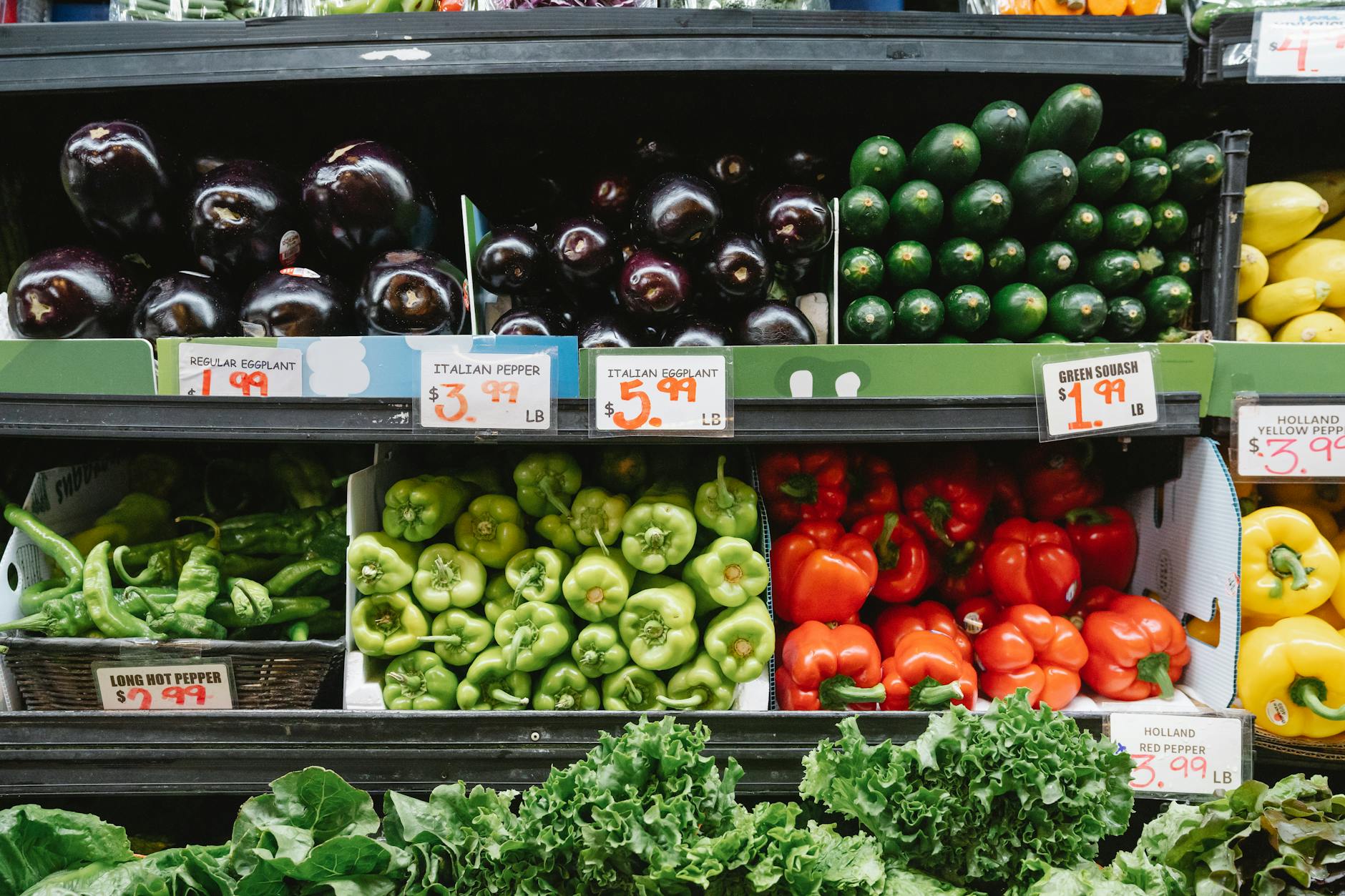



A Western Australia supermarket customer discovered a live amphibian inside a factory-sealed lettuce bag, raising questions about quality control systems across the agricultural supply chain.
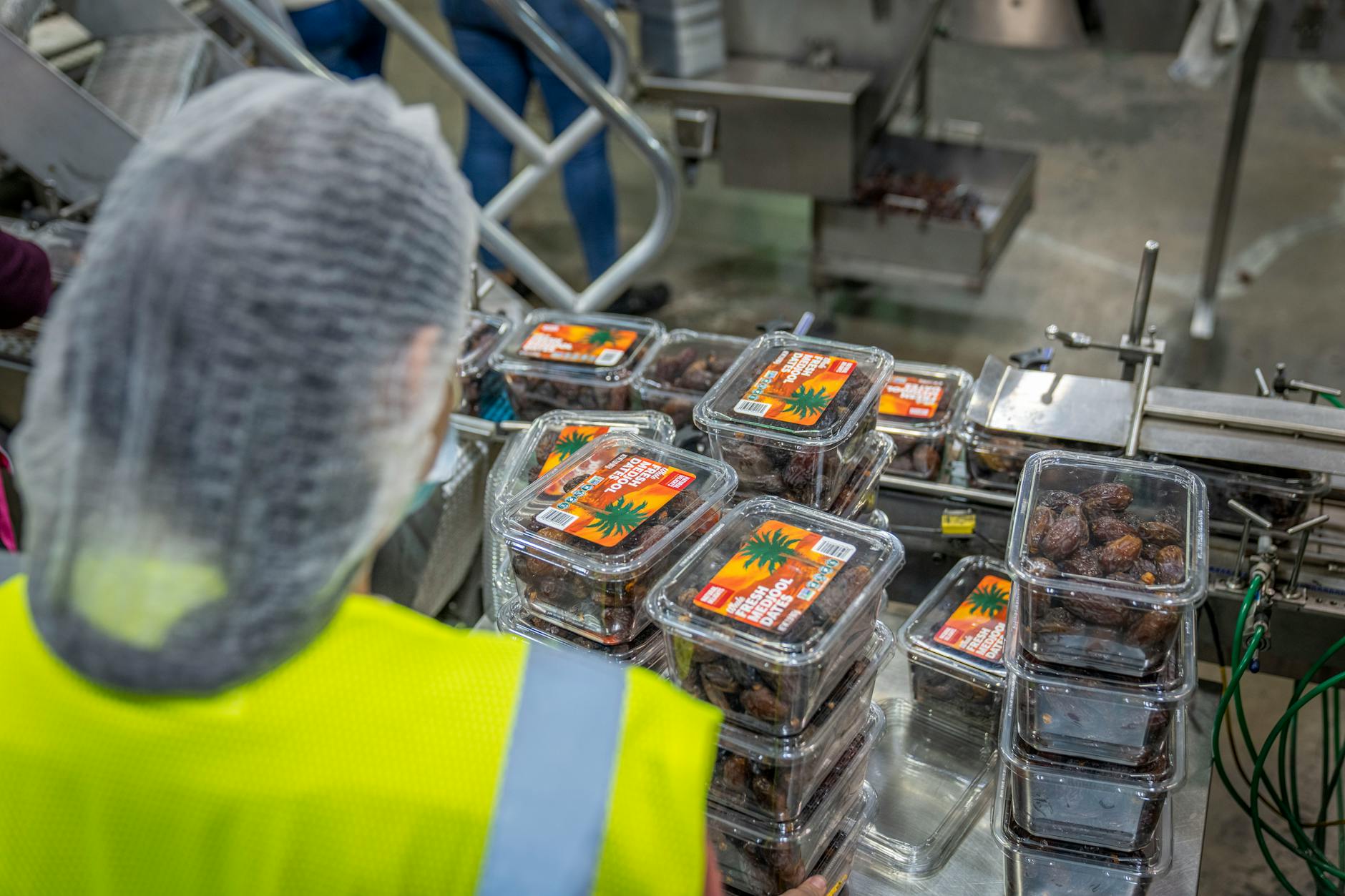
Detection Points Multiple System Failures
Laura Jones reported Tuesday that her housemate in Esperance uncovered the frog after purchasing the lettuce from a local supermarket. The animal survived the entire packaging and distribution process, suggesting gaps in multiple inspection stages from farm to retail shelf.
The incident exposes vulnerabilities in automated packaging systems designed to detect foreign objects. Modern food processing facilities typically employ optical scanners, metal detectors, and weight verification systems to prevent contamination. None of these safeguards intercepted the amphibian before the package reached consumers.
Supply chain experts note that live animals present unique detection challenges compared to standard contaminants like stones or metal fragments. Frogs can remain motionless for extended periods and share similar density profiles with leafy vegetables, making them difficult for standard screening equipment to identify.
The sealed packaging indicates the frog entered the production line at the processing facility rather than at the retail level. This timing narrows the investigation window but expands the potential scope of affected products from the same production batch.
Agricultural Processing Under Pressure
Australia’s lettuce industry processes millions of units weekly through highly automated systems operating at speeds that prioritize throughput over exhaustive inspection. Workers typically conduct visual checks on moving conveyor belts, but small animals can easily blend with similar-colored vegetation.
The discovery comes during peak lettuce season when processing facilities operate extended shifts to meet demand. Higher production volumes can strain quality assurance protocols, particularly when seasonal workers unfamiliar with standard procedures join regular staff members.

Food safety regulations require processors to maintain hazard analysis records, but live animal intrusion falls into a gray area between biological contamination and foreign object detection. Current standards focus primarily on pathogenic bacteria and chemical residues rather than larger biological contaminants.
Industry sources indicate that small wildlife encounters during harvesting are common, especially in outdoor growing operations. Harvesting equipment typically includes basic screening mechanisms, but these systems target debris removal rather than live animal detection.
The financial implications extend beyond immediate product recalls. Processors face potential liability claims, regulatory investigations, and consumer confidence erosion that can affect sales for months after such incidents become public knowledge.
Consumer Safety Questions Emerge
Health authorities have not issued specific guidance regarding the Esperance incident, but similar cases historically trigger enhanced inspection protocols at affected facilities. The frog’s survival suggests minimal exposure to chemical sanitizers typically used in processing operations.
Retail chains now face decisions about inventory management from potentially affected production runs. Without clear batch identification systems, determining the scope of potentially compromised products becomes a complex logistical challenge requiring extensive supply chain documentation review.