



Advanced Micro Devices shares are climbing toward a significant price milestone as Wall Street analysts predict the semiconductor company will capture more server processor business than rival Intel. The stock has gained momentum in recent trading sessions, putting AMD on track to reach the $200 per share mark for the first time in its history.
Morgan Stanley analysts issued a bullish assessment of AMD’s position in the data center market, citing strong demand for server CPUs that should disproportionately benefit the company compared to its larger competitor. The investment bank’s optimistic outlook has helped fuel investor enthusiasm around AMD’s growth prospects in enterprise computing.
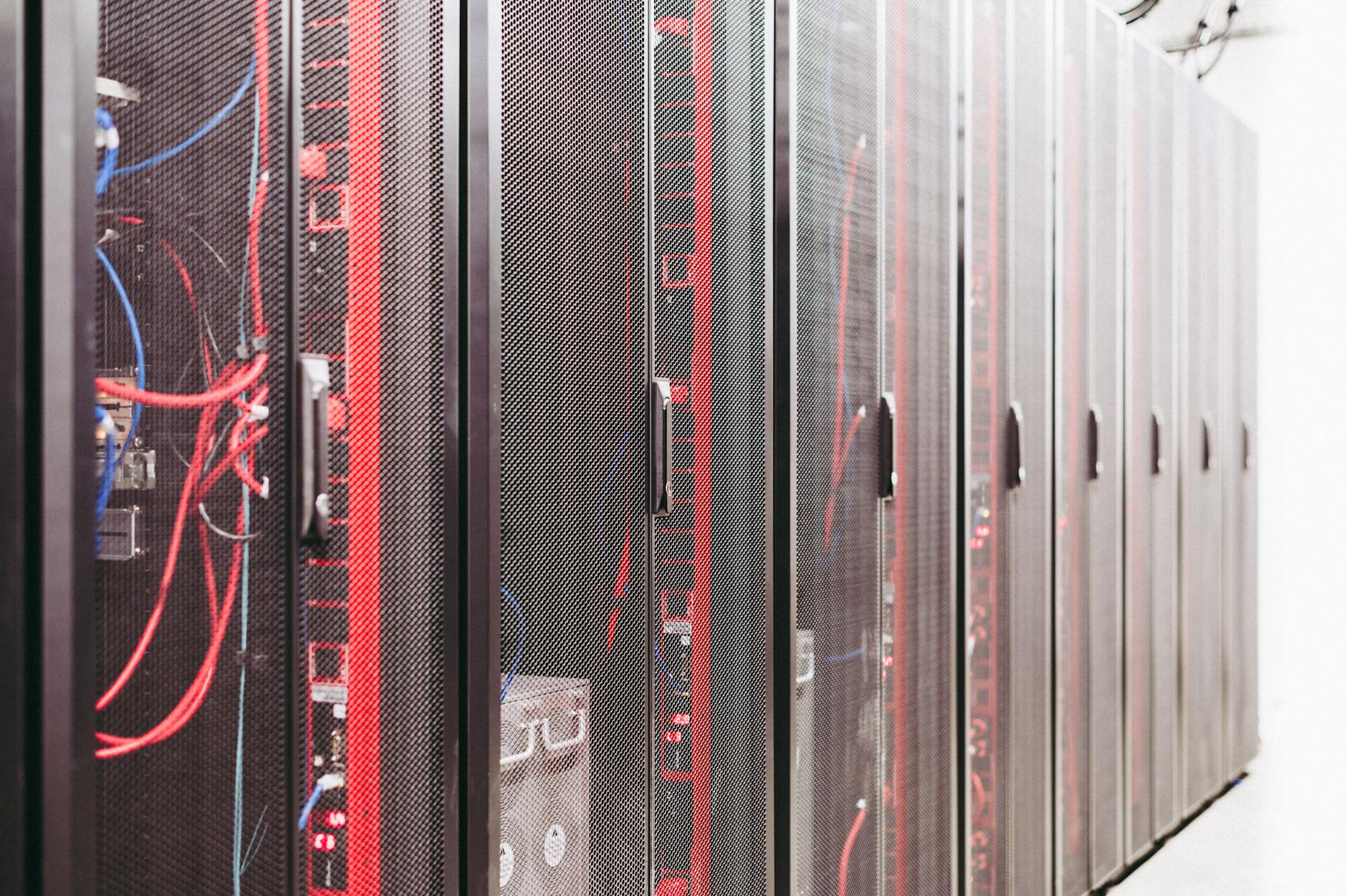
Data Center Demand Drives Momentum
The surge reflects AMD’s growing foothold in server processors, where the company has steadily gained market share from Intel over the past several years. Morgan Stanley’s analysis suggests this trend will accelerate as businesses continue upgrading their data center infrastructure to handle increased computing workloads.
Server CPU demand has remained strong despite broader concerns about technology spending, with enterprises prioritizing performance improvements and energy efficiency in their hardware refresh cycles. AMD’s EPYC processor lineup has attracted customers seeking alternatives to Intel’s traditional dominance in the server market. The company’s architecture advantages have translated into meaningful revenue growth in its data center segment, which now represents a substantial portion of overall sales.
Market Share Battle Intensifies
Intel has faced mounting pressure as AMD continues to win design wins at major cloud service providers and enterprise customers. The competitive dynamics have shifted dramatically from just a few years ago when Intel held near-monopoly control over server processors.
AMD’s gains come at a time when the server market itself is expanding, driven by artificial intelligence workloads, cloud migration, and edge computing deployments. Morgan Stanley’s research indicates that AMD is positioned to capture a disproportionate share of this growing demand compared to Intel’s expected performance.

The analyst firm pointed to AMD’s technological execution and product roadmap as key factors supporting its positive assessment. Recent processor launches have demonstrated the company’s ability to deliver competitive performance while maintaining manufacturing cost advantages through its partnership with Taiwan Semiconductor Manufacturing Company.
Customer adoption patterns show AMD making inroads across different segments of the server market, from high-performance computing applications to general-purpose enterprise workloads. This diversification reduces the company’s dependence on any single customer or use case, providing more stable revenue streams as the market evolves.
Stock Performance Reflects Confidence
The approaching $200 milestone represents more than just a psychological barrier for AMD investors. It reflects a fundamental shift in how the market values the company’s long-term competitive position against Intel and other semiconductor rivals.
Trading volume has increased alongside the price appreciation, suggesting institutional investors are adding positions based on the improved business fundamentals rather than speculative buying. The stock’s performance has outpaced broader semiconductor indices, indicating AMD-specific factors are driving the gains beyond sector-wide trends.
Challenges Remain Despite Optimism
While Morgan Stanley’s outlook appears favorable, AMD still faces execution risks as it attempts to maintain its competitive momentum. Intel has signaled aggressive responses to AMD’s market share gains, including new product launches and pricing strategies designed to defend its installed base.
The semiconductor industry’s cyclical nature also presents ongoing challenges, with demand patterns subject to macroeconomic fluctuations and inventory adjustments by major customers. AMD’s ability to sustain its current growth trajectory will depend on continued technological leadership and successful navigation of these market dynamics. Supply chain considerations and geopolitical tensions affecting the broader chip industry could impact AMD’s ability to meet customer demand even if orders remain strong.
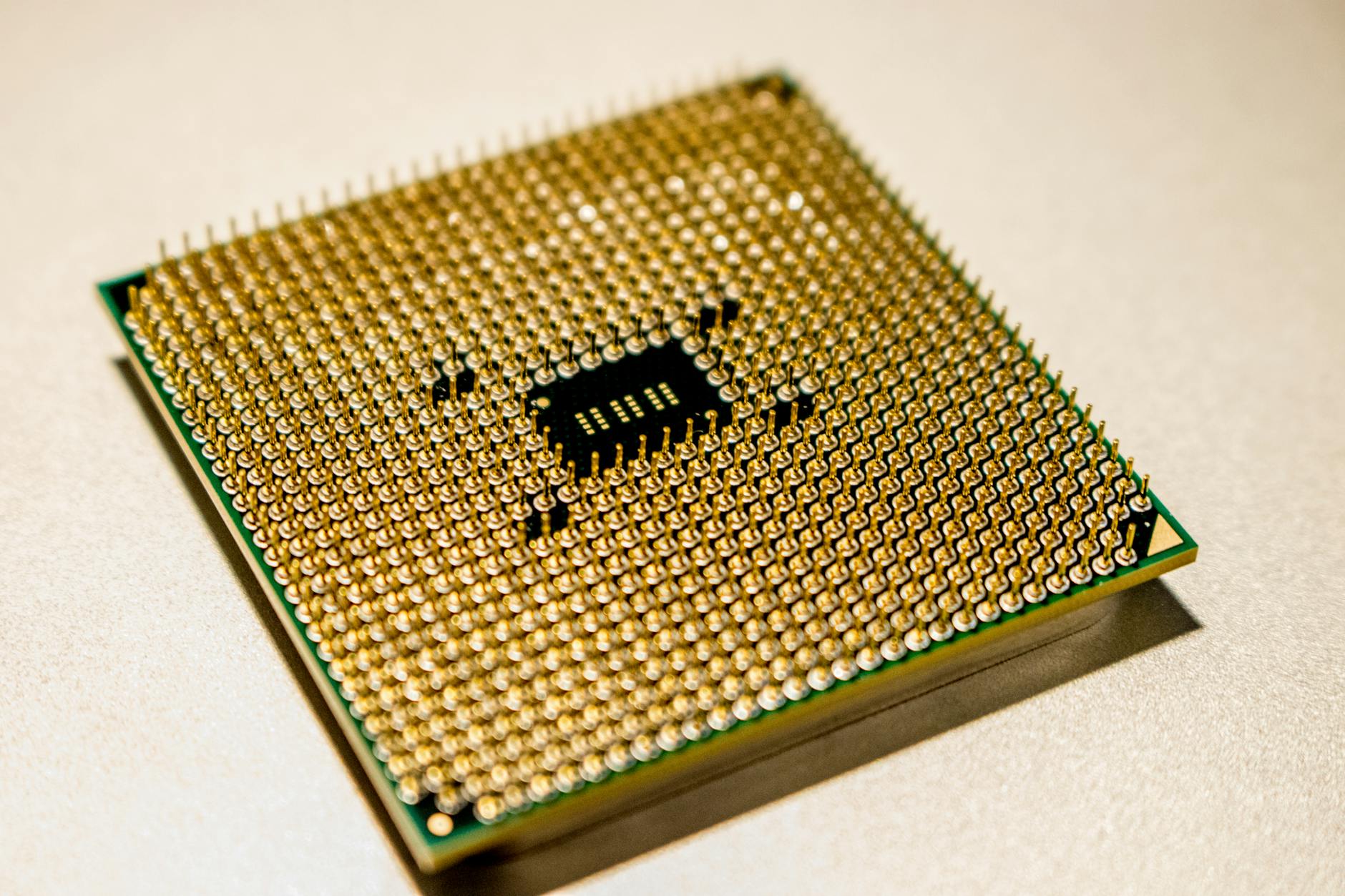
Whether AMD can maintain its current momentum through the $200 threshold and beyond may ultimately depend on execution in areas beyond just server processors, including graphics processing units and emerging opportunities in AI-specific chips.