


April 24, 2026 marked another standout session for Nvidia as artificial intelligence chip demand continues its relentless climb. The semiconductor giant rode a wave of investor enthusiasm that has become a familiar pattern in markets this year.
Trading activity centered around the company’s position at the epicenter of the AI revolution. Market participants have been closely monitoring supply chain dynamics and production capacity as demand far outstrips what manufacturers can deliver.
Sector Momentum Builds Steam
The broader semiconductor sector joined Nvidia’s advance, with chip stocks posting gains across the board. Advanced Micro Devices, Intel, and Qualcomm all saw their shares rise as investors bet on sustained demand for processing power. This collective movement suggests the AI boom extends well beyond a single company’s fortunes.
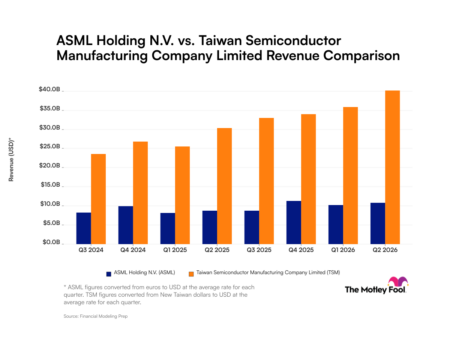
Data center operators have been scrambling to secure chip supplies, often placing orders months in advance. Amazon Web Services, Microsoft Azure, and Google Cloud have all announced significant capacity expansions, each requiring thousands of high-performance processors. The supply-demand imbalance has created pricing power that few industries have enjoyed in recent memory. Manufacturing lead times now stretch 12 to 18 months for the most advanced chips. Foundries like Taiwan Semiconductor Manufacturing Company report order books filled well into 2027.
Growth Expectations Hit Stratospheric Levels
Wall Street analysts have been revising revenue projections upward quarter after quarter. The latest estimates suggest Nvidia’s data center business could triple over the next two years, driven primarily by AI workload acceleration.
Corporate spending on artificial intelligence infrastructure shows no signs of slowing. Major tech companies allocated over $200 billion to AI-related capital expenditures in 2025, with projections calling for even larger investments this year.
The enterprise software market has experienced a parallel transformation. Companies like Salesforce, ServiceNow, and Oracle have embedded AI capabilities throughout their platforms, creating additional demand for processing power. This enterprise adoption represents a shift from experimental projects to production deployments at scale.
Financial services firms have emerged as another major buyer category. JPMorgan Chase, Goldman Sachs, and Bank of America have all announced AI initiatives spanning fraud detection, algorithmic trading, and customer service automation. Each implementation requires substantial computing infrastructure, adding to the already strained supply situation.
Market Dynamics Shift
Trading volumes in semiconductor stocks have reached levels not seen since the dot-com era. Options activity has been particularly intense, with call volume outpacing puts by margins that suggest widespread bullish sentiment.
The concentration of market gains in a handful of AI-related stocks has drawn comparisons to previous technology bubbles. Critics point to valuations that assume perfect execution and unlimited growth potential. Supporters counter that artificial intelligence represents a fundamental shift comparable to the internet’s early adoption phase.

Supply Chain Pressures Mount
Manufacturing bottlenecks have become the industry’s biggest constraint. TSMC, Samsung, and Intel have all announced facility expansions, but new fabs take years to bring online. The most advanced chip production requires specialized equipment that only a few companies worldwide can manufacture.
Geopolitical tensions add another layer of complexity. Export restrictions on advanced semiconductor technology have forced companies to redesign products and supply chains. The Biden administration’s CHIPS Act aims to rebuild domestic production capacity, but results remain years away.
Energy consumption has emerged as an unexpected limiting factor. The newest AI chips can draw over 1,000 watts each, creating cooling and power infrastructure challenges that few data centers anticipated. Will the industry’s voracious appetite for computing power ultimately constrain its own growth trajectory?