


Major U.S. stock indexes reached fresh peaks on April 24, 2026, as Intel’s surprise earnings performance triggered a broader rally across technology shares. The S&P 500 and Nasdaq both closed at all-time highs, extending gains that have defined the year’s market narrative.
Intel’s quarterly results exceeded Wall Street expectations by significant margins, sending the chipmaker’s stock surging and pulling semiconductor competitors along for the ride.
The earnings report marked a turning point for Intel, which had struggled to maintain its competitive position against rivals like NVIDIA and AMD in recent quarters. Revenue growth accelerated while profit margins expanded beyond analyst projections, signaling the company’s manufacturing improvements are finally paying dividends.
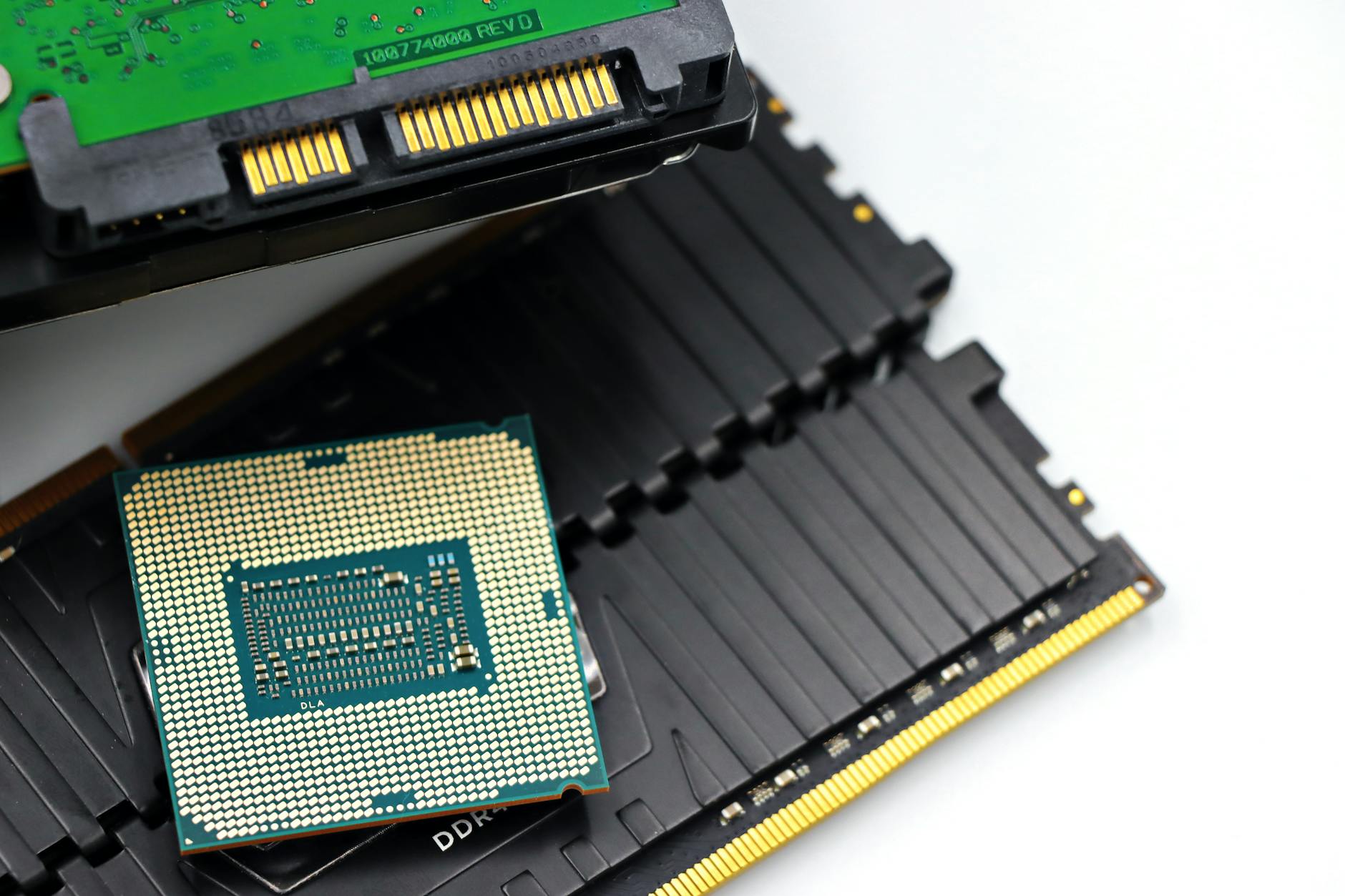
Semiconductor Rally Extends Market Gains
Intel’s performance created ripple effects throughout the chip sector, with investors interpreting the results as validation of the artificial intelligence boom’s staying power. The company’s data center revenue jumped substantially, driven by enterprise demand for AI-capable processors and infrastructure components.
Trading volume spiked across major semiconductor names as institutional investors repositioned portfolios around the strengthening sector fundamentals. NVIDIA shares climbed despite already commanding premium valuations, while Advanced Micro Devices gained ground on Intel’s coattails. The Philadelphia Semiconductor Index posted its largest single-day gain in months, reflecting renewed confidence in the industry’s growth trajectory.
Market participants noted Intel’s ability to capture meaningful AI-related revenue represents a shift from previous quarters when the company lagged behind competitors in this high-growth segment. Supply chain improvements and manufacturing efficiency gains contributed to the stronger-than-expected profit margins that impressed analysts.
AI Infrastructure Drives Broader Tech Momentum
The technology sector’s dominance extended beyond semiconductors, with major cloud computing and software companies advancing on optimism about AI infrastructure spending. Microsoft, Amazon, and Alphabet all posted gains as investors bet on continued enterprise adoption of artificial intelligence tools and services.
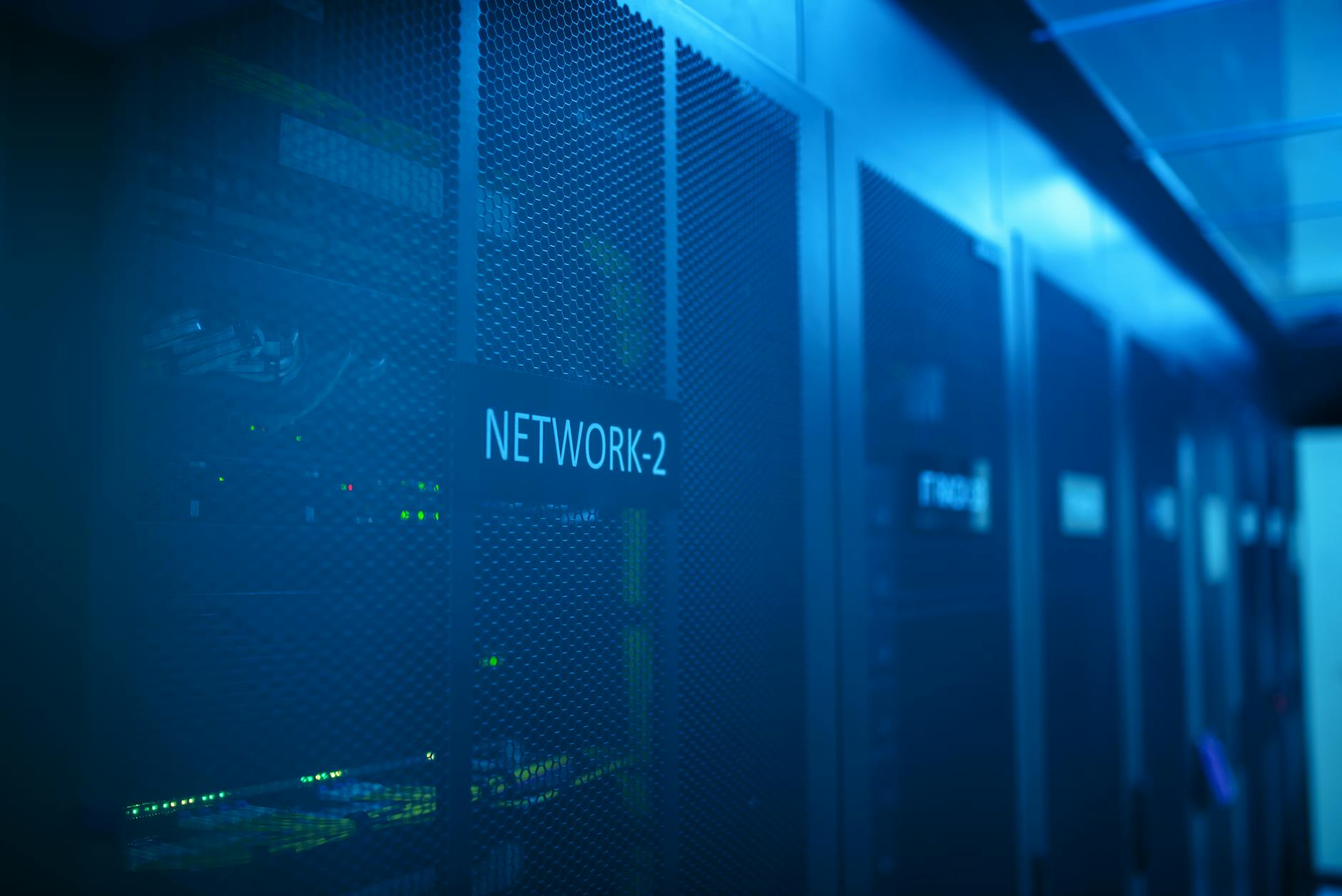
Data center operators and networking equipment manufacturers also participated in the rally, reflecting the interconnected nature of AI infrastructure investments. Companies providing the physical backbone for AI computing saw their valuations rise alongside the chip manufacturers that power these systems. The convergence of hardware and software demands in the AI space has created multiple beneficiaries across the technology ecosystem.
Portfolio managers emphasized that Intel’s results validate their thesis about sustained capital expenditure cycles in AI-related infrastructure. Corporate spending on machine learning capabilities and data processing power continues accelerating, creating a multi-year growth runway for technology companies positioned to serve these markets.
Index Performance Reflects Tech Concentration
The S&P 500’s advance to record territory underscored how heavily the index depends on technology sector performance for overall gains. Five technology companies now represent more than 25% of the index’s total market capitalization, amplifying the impact of sector-specific news on broader market movements.
Nasdaq’s outperformance relative to other major indexes highlighted this concentration effect, with the tech-heavy benchmark climbing faster than the Dow Jones Industrial Average or Russell 2000. Market breadth remained relatively narrow despite the headline gains, as investors continued funneling money into the largest technology names rather than spreading risk across sectors. Financial services, healthcare, and industrial stocks posted mixed results while technology shares drove the bulk of market appreciation.
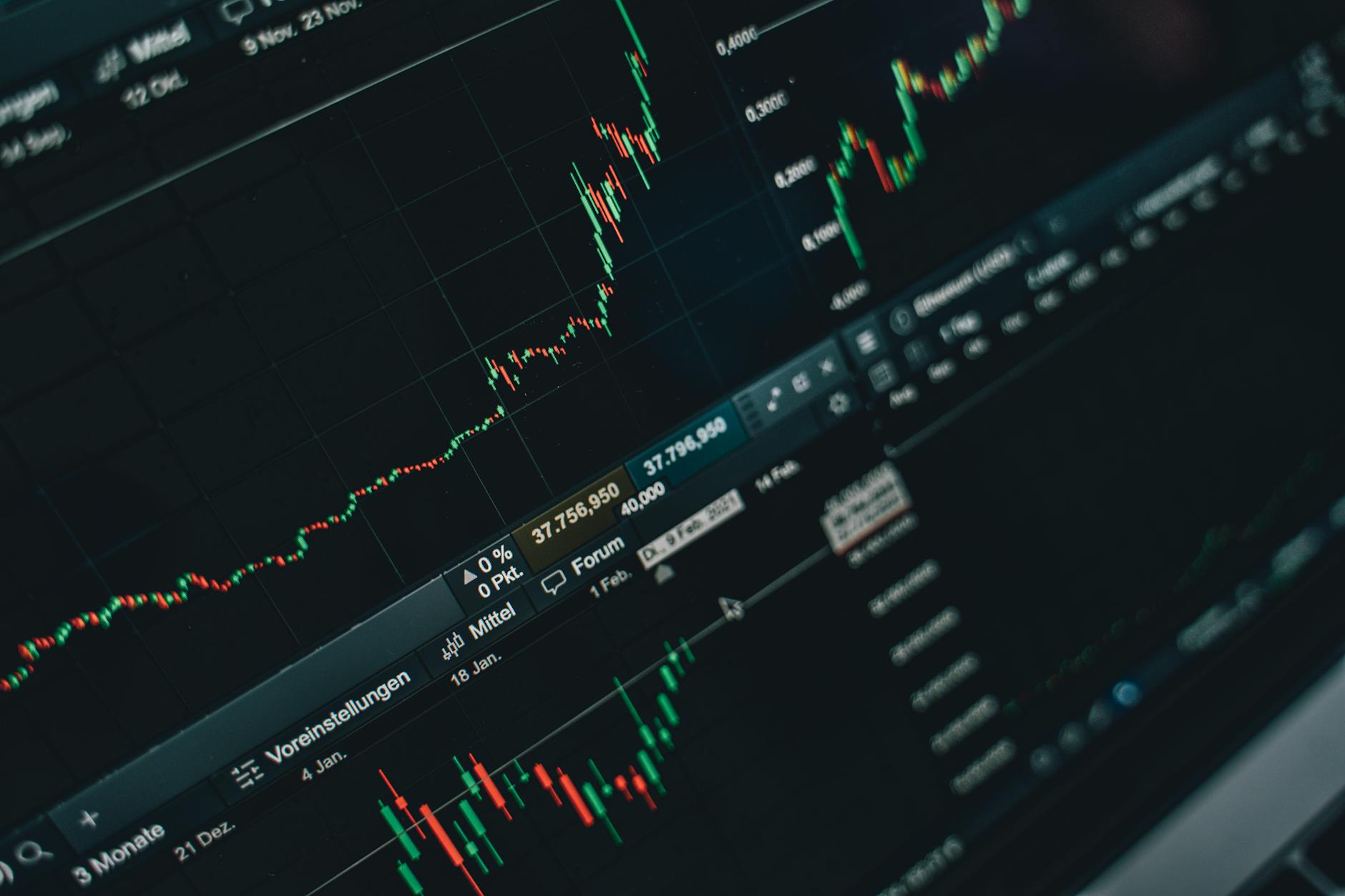
Options activity reflected bullish sentiment toward technology stocks, with call volume exceeding put volume by wide margins across major chip companies. Implied volatility measures declined as investors grew more confident about near-term earnings prospects for the sector.
Yet beneath the celebration lies a familiar question: how long can a handful of technology giants carry the entire market on their shoulders before gravity reasserts itself?