



A Demographic Shift Reshaping Cosmetic Medicine’s Revenue Base
The cosmetic surgery industry has found its most surprising growth engine not in millennials chasing social media aesthetics, but in Americans aged 65 and older. This age group has become the fastest-growing customer segment for cosmetic procedures, a development that is quietly reorienting how clinics market, staff, and invest in their practices.
For investors and practitioners watching healthcare earnings, the implications stretch well beyond the operating room. An aging population with accumulated wealth and longer active lifespans is creating a durable demand curve – one that does not fluctuate with the same volatility as younger consumer spending on discretionary beauty treatments.

Why Older Americans Are Driving Procedure Volume
Baby boomers entering their late 60s and 70s are doing so with a different outlook than prior generations at the same age. Many remain professionally active, socially engaged, and financially positioned to spend on appearance-related healthcare. The stigma that once attached itself to cosmetic work among older adults has faded considerably, lowering the barrier to first consultations and repeat procedures.
The math behind this shift is straightforward. The U.S. population aged 65 and older is large, growing, and, in aggregate, controls a disproportionate share of household net worth. When that demographic moves toward a product category – whether pharmaceuticals, travel, or elective surgery – the revenue effect is significant. Cosmetic surgery is now experiencing exactly that kind of age-driven demand expansion, and the practices positioned near retirement-heavy markets are logging some of their strongest booking periods on record.
What This Means for Earnings in the Cosmetic Sector
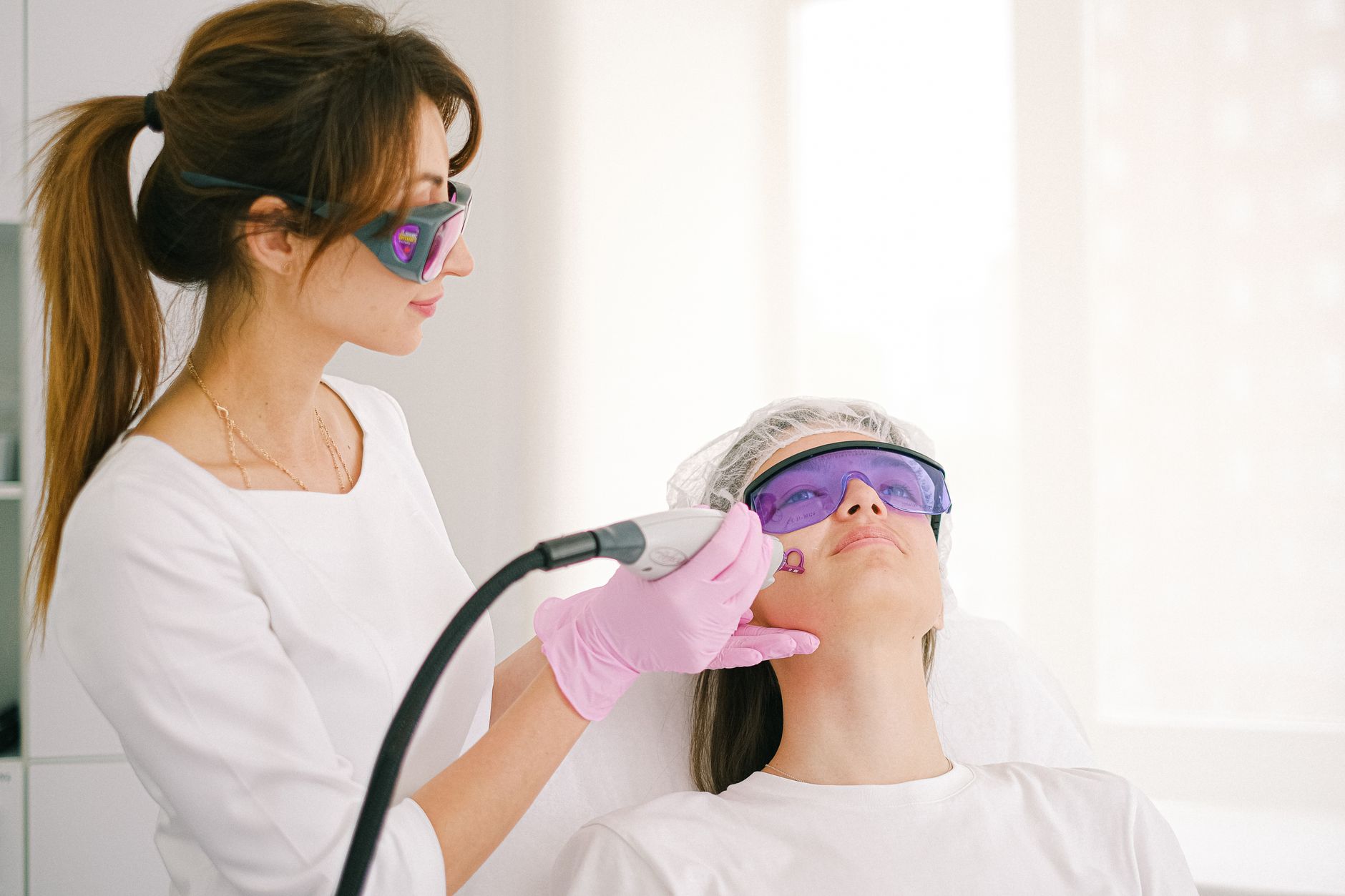
Publicly traded companies with exposure to the cosmetic procedure market – device manufacturers, injectable producers, and specialty clinic operators – stand to benefit as the over-65 cohort grows its share of procedure volume. Device companies supplying skin-tightening equipment, laser systems, and surgical tools face an expanding addressable market that is not dependent on a single age bracket maintaining its enthusiasm.
Injectable treatments, including neuromodulators and dermal fillers, have historically skewed toward patients in their 30s and 40s. A meaningful uptick in older patients changes the average revenue per visit, since older skin typically requires different – and sometimes more intensive – treatment protocols. That translates into higher per-patient billing and, for practices running efficient operations, improved margins.
Clinic operators in particular are watching patient mix data closely. A practice that shifts even 15 to 20 percent of its volume toward older, higher-spending patients can see meaningful improvement in average ticket size without adding a single new appointment slot. For small and mid-size cosmetic surgery businesses, this demographic movement is acting as an organic pricing upgrade.
The staffing equation also changes. Surgeons and aestheticians with expertise in age-related skin and tissue conditions – sagging, volume loss, laxity – are in growing demand. Practices investing in that specialized training now are building a competitive advantage that will compound as the boomer patient base continues to age through its peak elective-spending years.
Investment Angles Worth Examining
For retail investors looking at the cosmetic healthcare space, the over-65 surge points toward a few specific areas. Medical device companies that manufacture equipment used in non-surgical skin treatments – radiofrequency devices, ultrasound-based tightening systems, and energy-based platforms – are directly exposed to volume growth in older patient demographics. Similarly, pharmaceutical companies producing botulinum toxin products and hyaluronic acid fillers benefit as the patient pool widens.
Specialty finance also has a role. A portion of older cosmetic patients fund procedures through medical financing, making companies that offer point-of-care lending an indirect beneficiary of higher procedure volumes. As elective healthcare spending among seniors grows, the financing infrastructure around it tends to grow in parallel.
The Longer Arc of This Trend
The over-65 cosmetic surgery boom is not a moment – it is a structural condition produced by demographics that will persist for at least another decade as the boomer generation moves fully through its late 60s and into its 80s. The youngest boomers, born in 1964, turn 61 this year. That means the leading edge of this patient wave is still forming, not receding.
Practices, device makers, and investors who treat this as a short-term anomaly may misallocate accordingly. The more relevant question is which corners of the cosmetic industry are building the operational capacity – patient intake systems, age-appropriate treatment menus, recovery support infrastructure – to serve a patient who is 72 years old rather than 42, and whether their current earnings already reflect that preparation or are still catching up to it.