

A Satellite Contract Becomes a Battlefield Variable
Since last week, Ukraine has reported active restrictions on Starshield – the military-grade variant of SpaceX’s Starlink satellite network – with those limitations directly hampering its ground operations against Russian forces. The restrictions have persisted even as the Ukrainian government has sought relief through diplomatic channels, including assurances relayed from the Trump administration.
What began as a commercial satellite service has become one of the most operationally sensitive contracts in an active war, and the company controlling the switch is Elon Musk’s SpaceX.
What Starshield Is – and Why It Matters
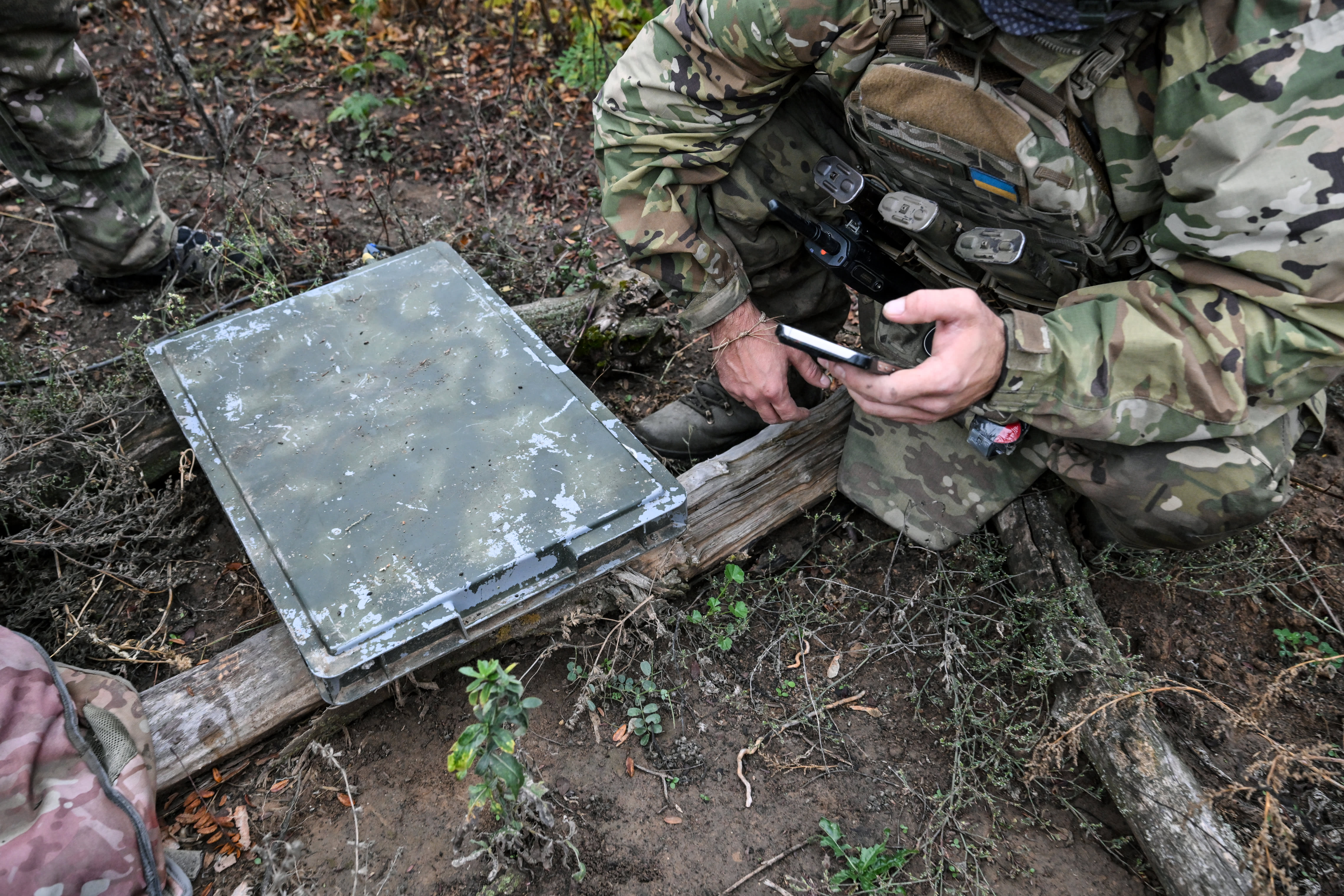
Starshield is not the same product that civilians or even standard military units use when they set up a Starlink dish. It is a purpose-built, government-facing version of the Starlink infrastructure, designed specifically for defense applications and operating under contracts with national security clients. For Ukraine, access to that network has meant the ability to coordinate troop movements, maintain communications in areas where conventional infrastructure has been destroyed, and sustain command links that Russian electronic warfare efforts regularly attempt to sever.
When that access is throttled or restricted – even partially – the downstream effects are not administrative. Units lose coordination. Communications degrade. Timing windows for operations narrow or collapse entirely. Ukraine has said that is exactly what has been happening since the restrictions began last week, and the toll, by its own account, is rising with each passing day.
SpaceX has not publicly detailed the scope, rationale, or intended duration of the current restrictions. The company has historically cited operational and contractual grounds when similar restrictions have emerged in past reporting, including the now well-documented episode during the 2022 Crimea offensive when Musk personally intervened to limit Starlink coverage in that theater. That decision drew sustained criticism from Ukrainian officials and U.S. lawmakers. The current situation appears to follow a similar pattern, with SpaceX exercising control over coverage in ways that directly affect battlefield outcomes.
The Trump Assurance Gap
Ukrainian officials have pointed to assurances from the Trump administration as evidence that the restrictions should have been lifted by now. Those assurances have not translated into restored service. The gap between what was communicated diplomatically and what is being experienced operationally puts the administration in an awkward position – it suggests either that U.S. government influence over SpaceX’s decisions is more limited than publicly implied, or that the assurances were never backed by any direct contractual or operational lever in the first place. For background on how the administration has navigated its relationship with Russia more broadly, see this earlier analysis: CNBC Daily Open: Trump’s Russian roulette.
That distinction matters enormously from a business and governance standpoint. If a private company operating a defense-adjacent satellite network can restrict service to an allied military over the objections – or at least without the effective intervention – of the sitting U.S. administration, then the contractual structure underpinning that relationship deserves scrutiny. Defense contracts are supposed to establish clear lines of authority, performance obligations, and escalation paths. Whether those mechanisms are functioning as written, or whether SpaceX’s control over Starshield is effectively unchecked in practice, is a question Ukraine’s current situation forces into the open.

The Business Dimension of Satellite Warfare
SpaceX is a private company, but Starshield operates through government contracts that route U.S. taxpayer dollars and allied government funds into the network’s expansion and maintenance. That public funding creates an expectation – even if not always a legal obligation – that service continuity will be maintained under agreed conditions, particularly in active conflict zones where interruptions carry human costs.
Musk’s dual role as both a major government contractor and a political figure with direct access to the current administration complicates any straightforward accountability structure. When restrictions appear on a military satellite network he controls, and diplomatic assurances from the administration he is closely aligned with fail to lift them, it raises questions about whether the normal checks between contractor and government client are operating as they would in any other defense procurement relationship.
Ukraine’s military has built significant operational dependency on Starlink and Starshield since 2022. That dependency was encouraged – by the U.S. government, by allied nations, and by SpaceX itself, which received considerable public praise for its early role in keeping Ukrainian communications alive when Russian forces targeted conventional infrastructure in the opening weeks of the invasion. Shifting that dependency to alternative systems mid-conflict is not a realistic option in any short time horizon. European satellite alternatives and other Low Earth Orbit networks exist, but none have the coverage density or the terminal penetration that Starlink has already established across Ukrainian military units.
So Ukraine is, in practical terms, locked in. The cost of that lock-in – built on a foundation of a single private operator whose decisions are not fully subject to allied government direction – is now visible in real time. Restrictions that began last week are still in place. Ukrainian officials say the toll is rising. And the company at the center of it has said nothing publicly about when, or whether, that changes.

The last time SpaceX restricted Starlink in a way that affected Ukrainian operations, it took weeks of public pressure, congressional attention, and sustained media coverage before the situation shifted. Ukraine is now back at the beginning of that same sequence.