


Washington ordered non-emergency diplomatic staff out of Saudi Arabia following Houthi strikes on a Saudi airport and an oil field, a move that immediately sharpened fears of a broader regional conflict – and sent markets pricing in the possibility of disrupted Gulf energy flows.
A Diplomatic Withdrawal With Economic Consequences
The decision to pull non-essential U.S. personnel from Saudi Arabia is not simply a precautionary measure. When Washington reduces its diplomatic footprint in the Gulf, it signals a threat assessment serious enough to override normal operational continuity – and financial markets know how to read that signal. Oil traders, shipping insurers, and defense contractors all recalibrated positions almost immediately.
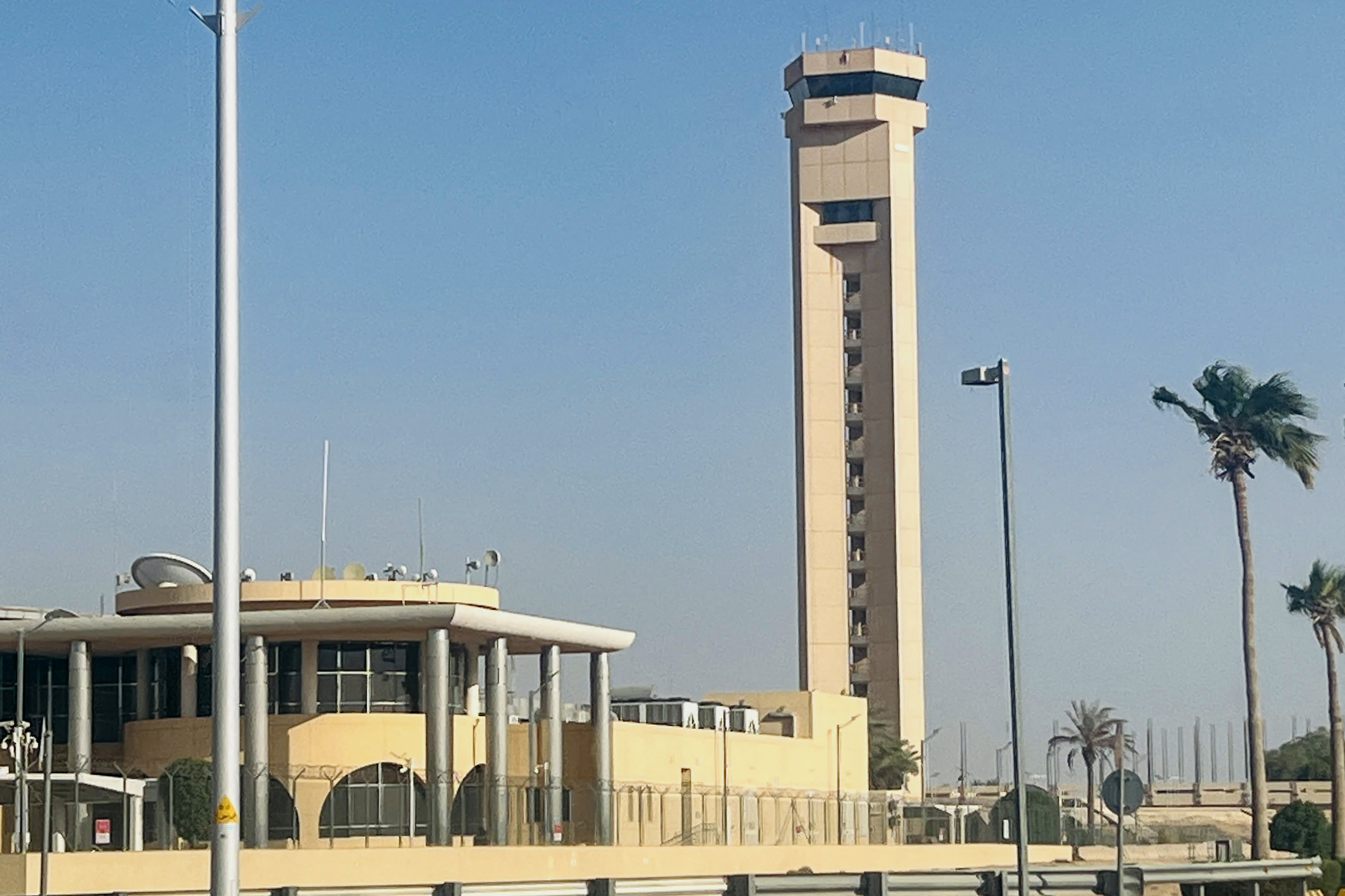
The Houthi strikes that triggered the evacuation order targeted two high-value assets: a Saudi airport and an oil field. Attacks on airport infrastructure create aviation risk that insurers reprice overnight. Attacks on oil fields carry a different kind of weight – they put physical production capacity in the crosshairs at a moment when Gulf supply already operates with thin spare cushion.
Saudi Arabia remains the world’s largest oil exporter, and any sustained disruption to its production or export infrastructure carries consequences far beyond the Kingdom’s borders. Energy markets from Rotterdam to Singapore are priced with Gulf stability as a baseline assumption. When that assumption comes under pressure, the repricing is fast and often outsized relative to actual barrels affected.
The withdrawal order arrived against a backdrop of reports that the U.S. was preparing potential strikes against Iran following the midterm elections – a political timetable that adds a specific, near-term clock to what might otherwise be treated as an ambient risk. That framing changes how both governments and corporate risk managers approach the next several weeks.
The Strait of Hormuz and the Limits of Rerouting
Any scenario involving direct U.S.-Iran military engagement immediately raises questions about the Strait of Hormuz, the narrow waterway through which roughly 20 percent of global oil supply passes. Iran has repeatedly threatened to close the strait in response to military pressure, and while it has never followed through, the threat is credible enough that shipping and energy markets treat it as a live variable. A genuine Hormuz disruption would be categorically different from anything seen in recent years – there is no rerouting option at that scale, and storage buffers would be measured in days, not months.
The Houthi strikes that prompted the diplomatic withdrawal demonstrate that Iran’s network of regional proxies can inflict real economic damage without Tehran firing a single shot directly. The Houthis have targeted Saudi infrastructure repeatedly, and each successful strike raises the operational cost of Gulf business – for energy companies, logistics firms, and governments managing strategic reserves. Insurance premiums for vessels operating in Yemeni and Saudi coastal waters have already climbed sharply over the past year, a quiet but concrete measure of how the private sector prices this risk.
Defense spending is the other side of this ledger. Escalation between the U.S. and Iran – even at a limited, strike-based level – tends to accelerate procurement timelines and unlock emergency defense budgets across the region. Saudi Arabia is already among the world’s largest defense importers. A sharpening threat environment historically translates into faster contract cycles and broader equipment orders, which is one reason defense sector stocks tend to move on Gulf headlines before oil prices do.
For multinational companies with operations or supply chains running through the region, the diplomatic withdrawal creates an immediate planning problem. Saudi Arabia hosts significant foreign corporate infrastructure – energy joint ventures, construction projects, logistics hubs. Non-emergency staff evacuations from U.S. missions typically prompt allied governments and private security advisors to revisit their own personnel postures, sometimes triggering a cascade of partial withdrawals that disrupts project timelines and contract execution.
The broader economic exposure runs through energy prices, but also through the dollar. Geopolitical escalation in the Gulf historically drives safe-haven flows into U.S. Treasuries and pushes the dollar higher against emerging market currencies – a dynamic that tightens financial conditions for dollar-indebted economies in Asia, Latin America, and sub-Saharan Africa at exactly the moment that energy import costs are also rising. That double pressure is where Gulf conflicts generate their widest economic footprint. Brent crude has already been holding near $100 as Red Sea fighting unsettles oil markets, and a simultaneous Gulf escalation would remove whatever buffer traders have been pricing in.

Timing, Elections, and the Corporate Planning Window
The reported connection between potential U.S. strikes on Iran and the midterm election calendar is the element most difficult for corporate risk teams to model. Military action tied to a political timetable is, by definition, harder to predict than action driven purely by operational triggers. Companies typically plan for a range of scenarios with rough probability weights – but when the triggering variable is a domestic election cycle rather than a battlefield development, those weights become nearly impossible to assign with confidence. The result is often a defensive crouch: pulling discretionary capital from the region, extending insurance coverage, and accelerating any planned staff relocations.
Saudi Aramco’s stock, the Kingdom’s sovereign wealth fund’s foreign investment activity, and the pricing of Gulf sovereign debt will all serve as real-time indicators of how institutional money is processing the threat. If those markets hold relatively steady, it suggests sophisticated investors are treating this as noise within an established pattern of Gulf tension. If they move – particularly if Aramco’s implied valuation takes a meaningful hit – that would indicate a genuine repricing of risk at the institutional level, and the diplomatic evacuation order would look less like a precaution and more like an early warning that something with real economic consequence is already in motion.

The last time the U.S. and Iran came close to direct military confrontation, in early 2020 following the killing of Qasem Soleimani, oil prices spiked sharply before retreating as the immediate exchange of strikes was contained. Markets eventually concluded the escalation had a ceiling. Whether that ceiling holds in the current environment – with Houthi strikes actively targeting Saudi infrastructure and U.S. diplomats already on their way out – is the question every energy desk and Gulf-exposed portfolio manager is running through right now.