

A Runway Measured in Dollars, Not Miles
Archer Aviation has built something genuinely rare in the emerging air taxi industry: a specific, self-disclosed number that lets investors calculate almost exactly how long the company can survive before it needs more money. The company’s own guidance projects losses as deep as $200 million per quarter. Its balance sheet holds approximately $1.6 billion in cash and equivalents. The arithmetic is not complicated, and it is not forgiving.
At the maximum burn rate, Archer has roughly eight quarters – two years – before that cash reserve runs dry.
That figure assumes nothing goes wrong, no acceleration in spending, no unexpected regulatory setback, and no gap between when revenue was promised and when it actually arrives. Pre-revenue aerospace companies rarely get to operate in that kind of controlled environment, which makes Archer’s financial position a study in how much time money can actually buy in a capital-intensive industry that has yet to prove its core product at commercial scale.
What $200 Million a Quarter Actually Pays For
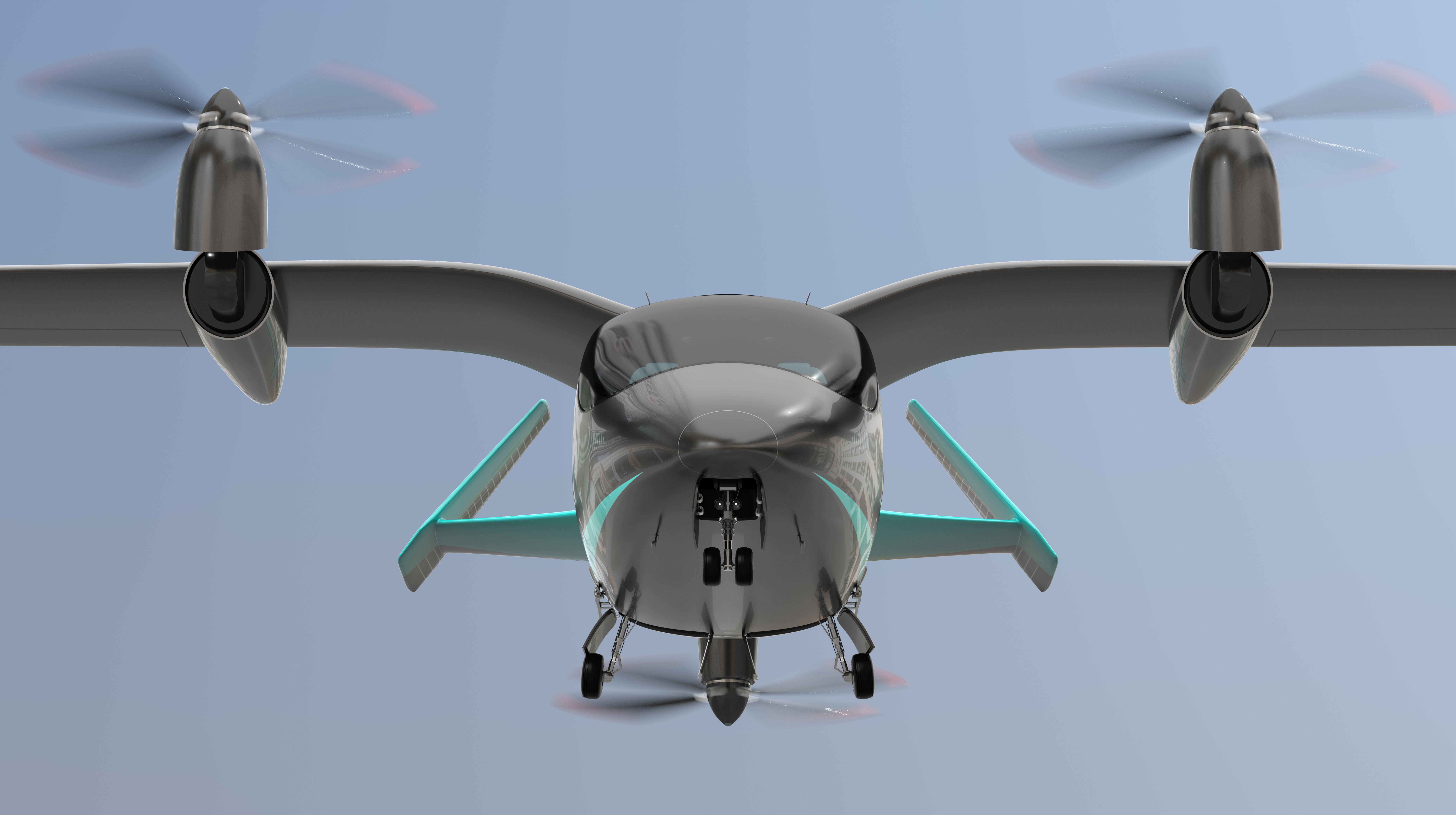
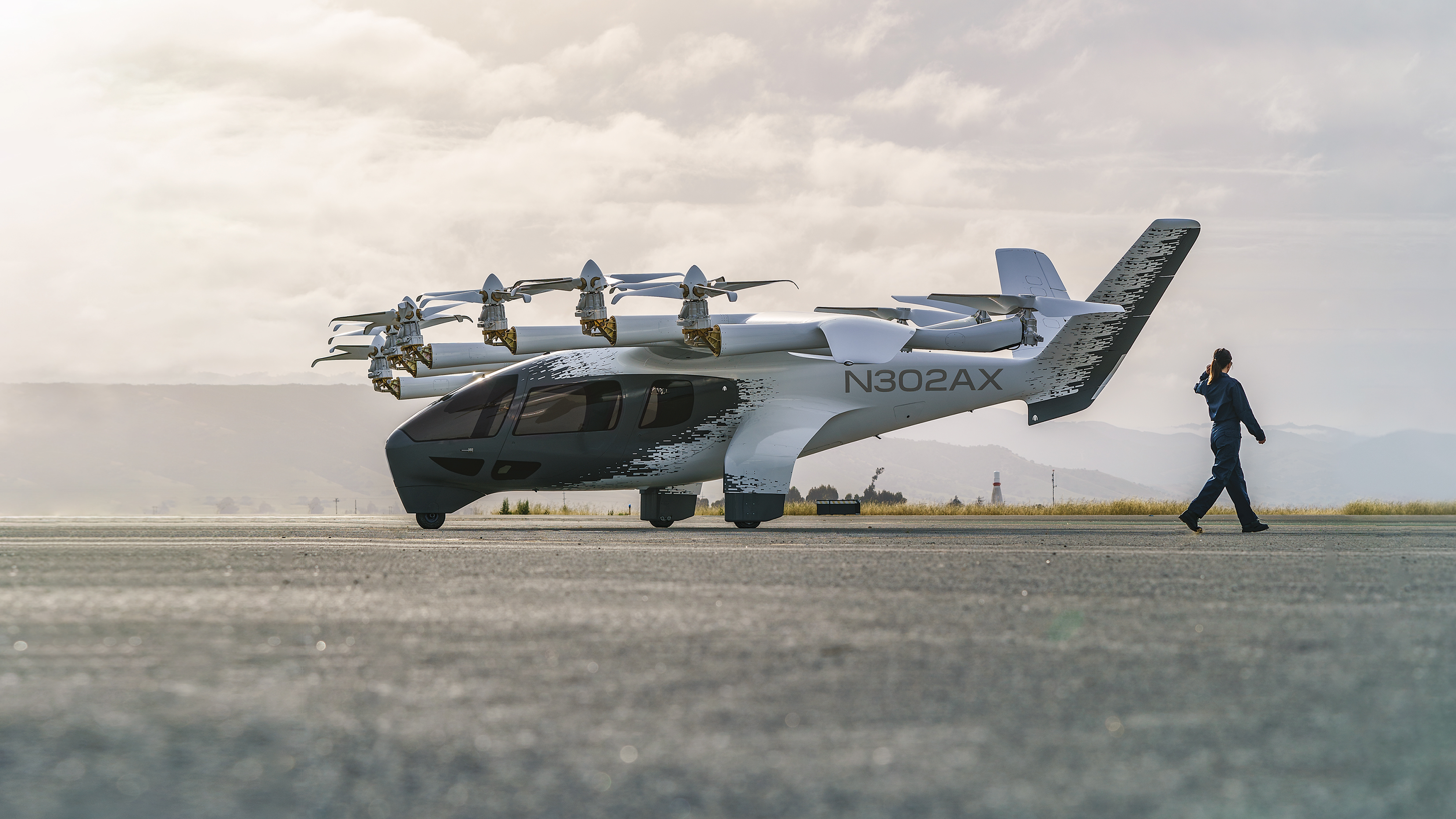
Archer is developing the Midnight aircraft, an electric vertical takeoff and landing vehicle – eVTOL in industry shorthand – designed to carry passengers on short urban routes. Getting a new aircraft category certified by the FAA, manufactured at scale, and deployed commercially requires the kind of spending that makes $200 million quarterly losses look less like mismanagement and more like table stakes. Battery development, airframe testing, pilot training infrastructure, and regulatory compliance all demand continuous capital before a single fare-paying passenger boards.
The company has secured deals and partnerships that give it some commercial credibility. United Airlines has placed an order for Archer aircraft, and the U.S. Department of Defense has shown interest in the platform for military applications. Neither of those relationships puts cash into the operating account quickly enough to change the quarterly burn math in any material way right now. They do, however, signal that Archer is not simply a startup pitching a concept – there are named, institutional buyers willing to make commitments, which matters enormously when the next fundraising conversation begins.
The gap between having orders and having revenue is where most capital-intensive startups find their most dangerous stretch of road. Archer is currently living in that gap. The $1.6 billion balance gives it time to close that distance, but the margin for delay is thin enough that any meaningful slip in FAA certification timelines could force the company back to capital markets under less favorable conditions than it would prefer.
Reading the Balance Sheet as a Countdown Clock
Investors in pre-revenue aerospace and transportation companies have learned – sometimes expensively – to treat the balance sheet not as a snapshot of financial health but as a countdown clock. The question is never simply whether a company has money. It is whether the company has enough money to reach the specific operational milestone that makes the next round of financing either possible or unnecessary. For Archer, that milestone is FAA type certification for the Midnight aircraft, because certification is the gating event for commercial operations, which is the gating event for actual revenue.
At $200 million per quarter in maximum projected losses, and $1.6 billion on hand, Archer needs to hit certification – and begin demonstrating a path toward revenue – within a window that does not give it much room to absorb the kind of delays that have historically plagued novel aircraft programs. General aviation history is littered with programs that were technically sound but ran out of money in the certification phase, when the spending is high and the finish line keeps moving.
What makes Archer’s disclosure notable is the directness of it. Many pre-revenue companies present guidance in ways that soften the loss figures or bury them in adjusted metrics. Archer’s guidance makes the $200 million quarterly loss figure a headline number, not a footnote. Whether that reflects confidence that the company can sustain investor patience or simply an acknowledgment that the numbers are too visible to obscure is worth considering. Either way, shareholders have been handed an unusually clear picture of the financial pressure the company is operating under.
The $1.6 billion balance is not small. It reflects prior fundraising rounds that valued the eVTOL opportunity highly enough to attract that level of capital. But in a sector where competitors including Joby Aviation and Lilium have faced their own severe cash pressures – Lilium entered insolvency proceedings in 2024 before restructuring – size of balance sheet has proven to be a necessary but not sufficient condition for survival.
The Math Investors Are Running Right Now
The straightforward calculation – $1.6 billion divided by $200 million – produces eight quarters. But the real calculation investors are running is more conditional: How many quarters until FAA certification? How many more until first commercial revenue? How much additional capital will be needed, at what valuation, and under what market conditions? Those variables determine whether Archer’s current shareholders experience significant dilution, whether the stock has room to appreciate meaningfully, or whether the company eventually joins the list of eVTOL ventures that ran out of runway before the aircraft did.
Archer’s stock has experienced the kind of volatility that typically accompanies pre-revenue companies with binary outcomes. The technology either gets certified and deployed at scale, or it doesn’t – and the financial consequences of those two outcomes are not close to each other. The $1.6 billion gives the company the standing to be taken seriously, the partnerships give it commercial plausibility, and the $200 million quarterly burn rate gives every interested party a very precise way to track how much time is left before the next major decision point.
Joby Aviation, Archer’s most direct U.S. competitor in the eVTOL certification race, is running its own cash burn against its own balance sheet in the same regulatory environment. The FAA has not yet granted type certification to any eVTOL aircraft for commercial passenger operations in the United States. Both companies are spending heavily on the assumption that certification will come, the market will develop, and the capital raised in anticipation of that moment will prove to have been worth deploying. Archer’s guidance simply makes the cost of that bet unusually easy to see.
With United Airlines waiting on deliveries and the Defense Department watching the military application case, Archer has buyers ready on paper. What it does not yet have is a certified aircraft – and the FAA’s calendar has never been known to move faster because a company’s bank account was running low.