



A Strong Quarter That Barely Moved the Needle on Sentiment
Second-quarter earnings came in stronger than most investors gave them credit for, and at least one Wall Street strategist thinks that disconnect is worth paying attention to. While market sentiment has remained cautious through much of this year – pulled in competing directions by interest rate uncertainty, geopolitical friction, and persistent inflation concerns – the actual corporate profit picture told a meaningfully different story. The gap between what companies delivered and how the market received it is, by some measures, unusually wide.
That gap is the argument.
The case being made is straightforward: investors, fixated on macro headwinds, may have systematically underweighted a round of earnings results that, by historical standards, held up well. If that assessment is correct, it carries implications not just for how the market reads the recent past, but for how it prices the near future – including which sectors get credit and which remain discounted without good reason.
What the Numbers Actually Showed
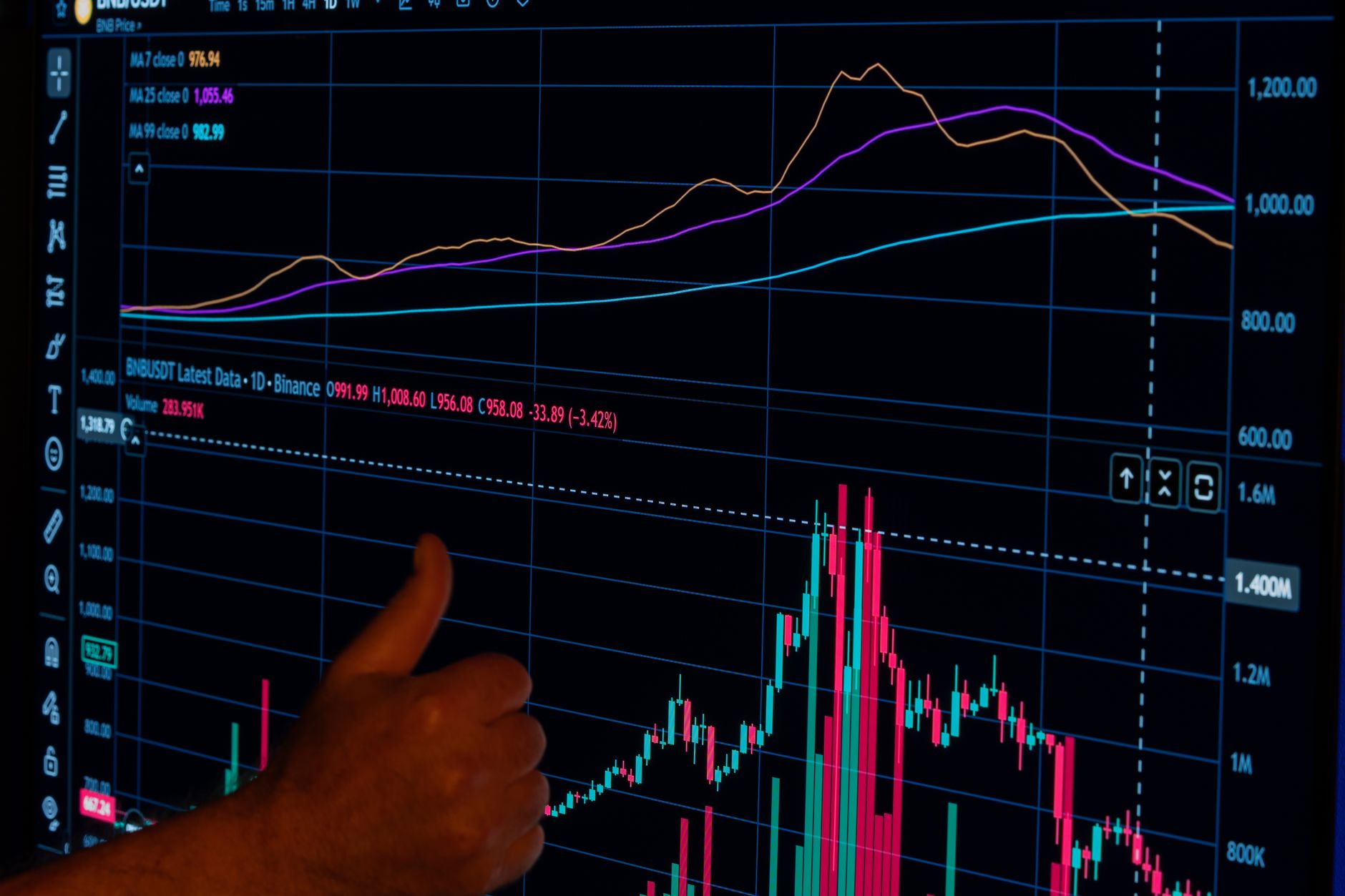
The core of the argument rests on the assertion that second-quarter earnings were underappreciated – not just decent, but genuinely strong relative to what analysts had penciled in going into the reporting season. That kind of broad-based beat, when it happens, tends to get priced in quickly. When it doesn’t, it often signals that sentiment is doing more work than fundamentals in driving prices, which can create exploitable gaps for investors willing to look past the noise.
Earnings seasons are rarely clean. Individual company results get overshadowed by guidance cuts, management commentary about slowing demand, or macro data released the same week that pulls attention elsewhere. That’s part of why a quarter can be objectively solid and still fail to register as such in the collective market memory. Investors process information through whatever filter is dominant at the time, and through most of the summer, that filter was calibrated toward worry.
The strategist’s position is that the worry, while not entirely unfounded, caused the market to apply too steep a discount to what were, in aggregate, better-than-expected results. Whether that mispricing persists or corrects depends on whether the next round of data – economic or corporate – shifts the frame enough to let the Q2 story land properly.

Why Investors May Keep Getting This Wrong
There’s a structural reason earnings optimism is hard to sustain right now. With the Federal Reserve holding rates at elevated levels and the 10-year Treasury yield drawing consistent attention – yields have been climbing steadily, raising the discount rate applied to future profits – the calculation investors use to value earnings is itself under pressure. Even if a company reports strong results, a higher discount rate mechanically reduces what those results are worth in present-value terms. That dynamic makes it easy to rationalize skepticism even when the underlying numbers are good.
There’s also the behavioral dimension. After a prolonged period of disappointment – rate hikes, earnings misses, valuation compression – investors can develop what amounts to a defensive reflex. Good news gets explained away; bad news gets extrapolated. The result is a market that moves slowly to reward genuine improvement, not because the improvement isn’t real, but because participants have stopped expecting it.
That said, the argument that investors missed something cuts both ways. It’s possible the market correctly identified risks in those Q2 results that weren’t obvious in the headline beat rates – margin pressures building beneath the surface, revenue quality declining, guidance for subsequent quarters turning cautious. A strong quarter followed by a soft outlook is only half a win, and the market is generally good at making that distinction, even when the overall beat percentage looks impressive.
What Comes Next for Earnings Expectations
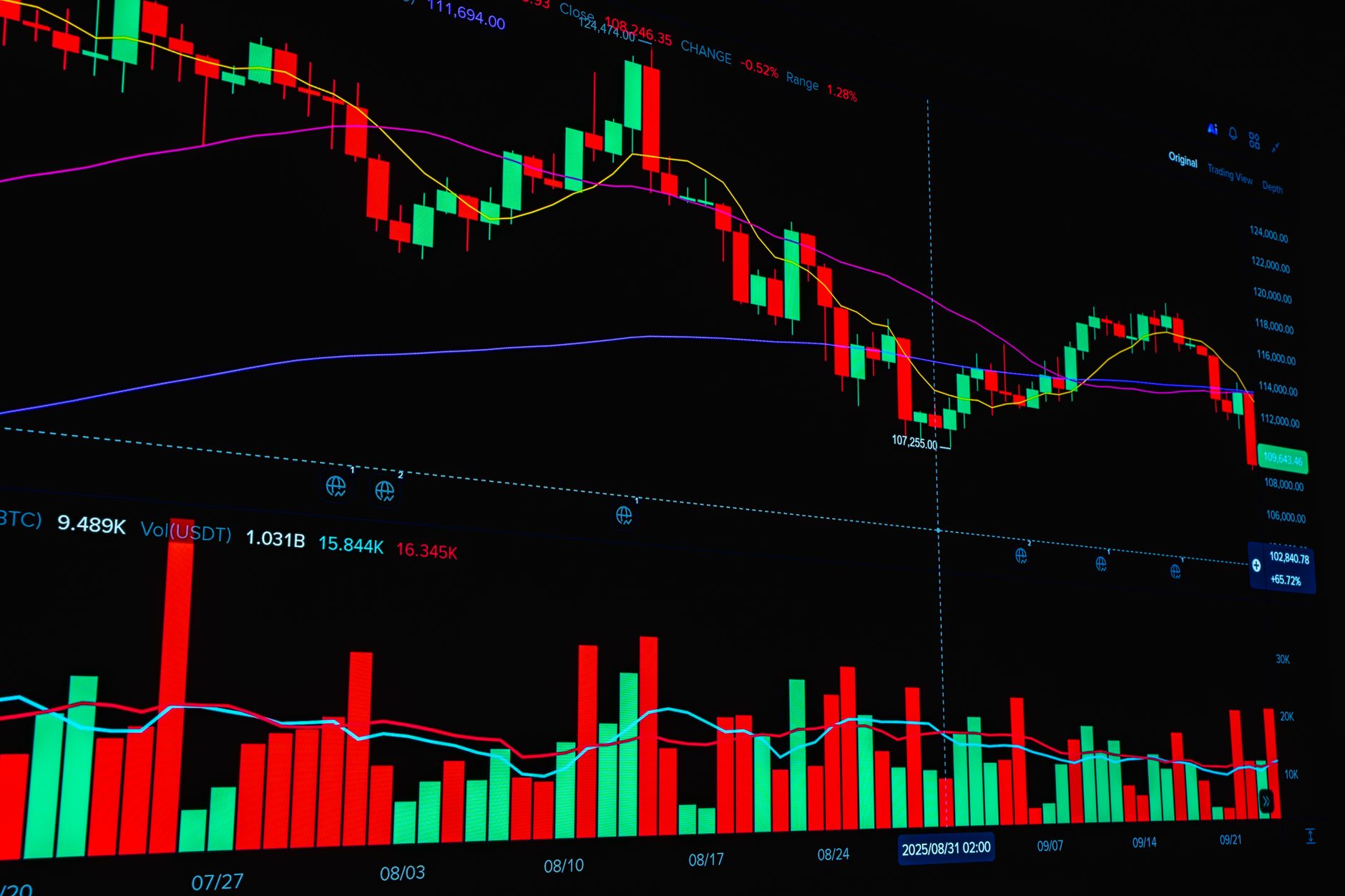
The more pressing question, given where we are in the calendar, is whether the same dynamic plays out in Q3 results. If analysts have already adjusted their models downward in anticipation of macro pressure – which they typically do after a period of sustained uncertainty – then the bar for another round of beats is lower than it might appear. Companies don’t need to perform brilliantly to surprise positively; they just need to perform better than a consensus that may have overcorrected toward pessimism. That’s a different setup than it sounds, and one that historically has produced more positive surprises than the pre-season mood suggests. Large-cap companies in particular have tended to navigate these conditions with more consistency than smaller peers, partly because their diversified revenue streams provide cushion when one segment disappoints.
The strategist’s broader point isn’t that everything is fine – it’s that the market may be operating with a more pessimistic baseline than the evidence from corporate America actually supports. If Q2 was better than appreciated, and Q3 clears a lowered bar, the cumulative effect could be a recalibration that comes faster, and with more force, than most investors currently expect.
Which raises an uncomfortable question for anyone sitting on the sidelines waiting for clarity: what if the clarity already arrived, and it just didn’t look like what they were expecting?