



Two major corporate moves are reshaping their respective industries, with Tesla pushing forward on autonomous vehicle deployment while QXO completes a massive acquisition that restructures the construction sector.
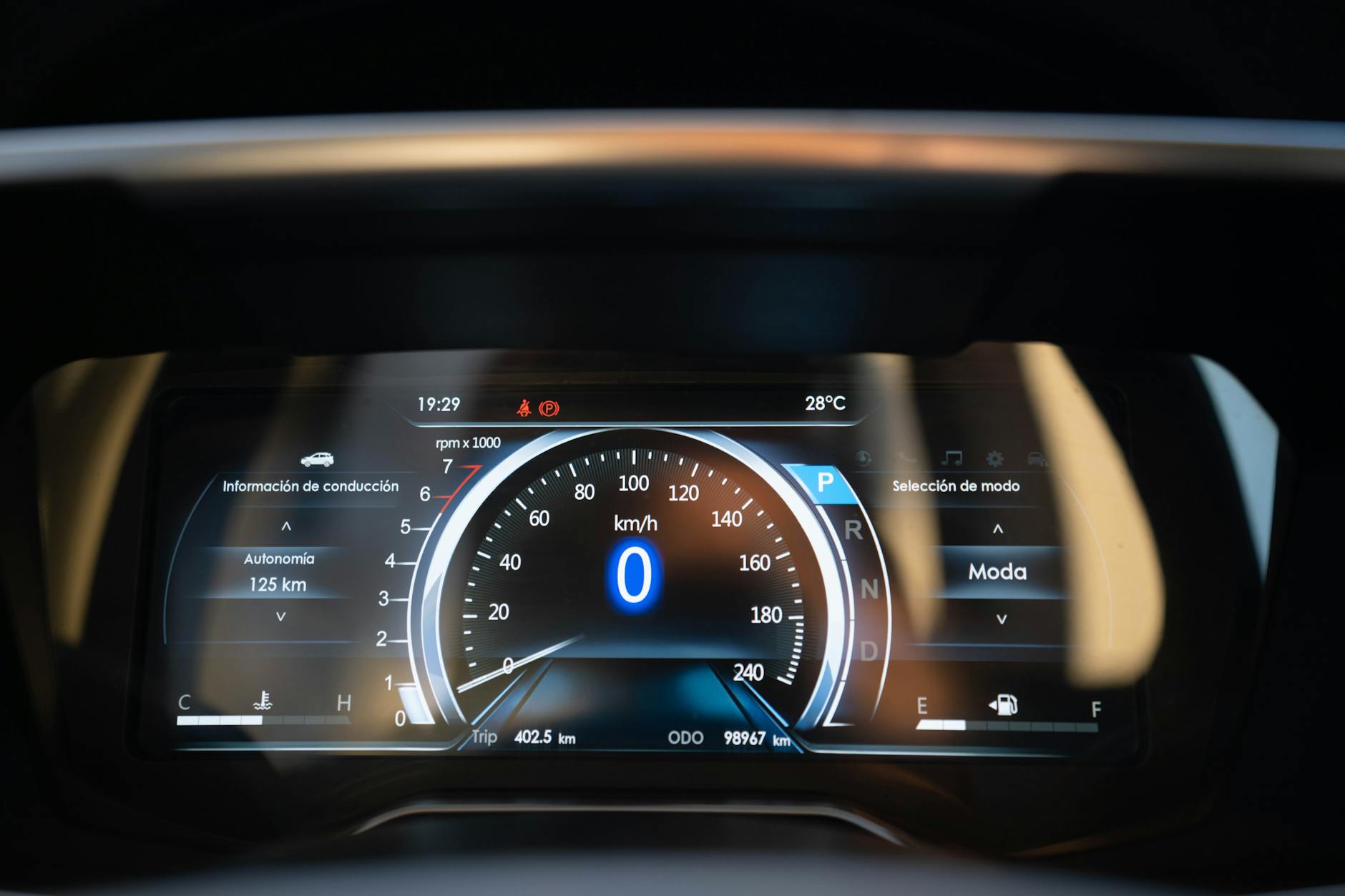
Tesla Accelerates Robotaxi Rollout Plans
Tesla continues expanding its autonomous taxi service footprint as the electric vehicle manufacturer moves beyond pilot programs into broader market deployment. The company’s robotaxi initiative represents a significant shift from traditional ride-hailing services, eliminating human drivers entirely from the transportation equation.
The expansion comes as regulatory frameworks for autonomous vehicles mature across different jurisdictions. Cities that previously maintained strict restrictions on self-driving vehicles are now creating pathways for commercial deployment, opening new revenue streams for companies with proven autonomous technology.
Tesla’s approach differs markedly from competitors who partner with existing taxi companies or ride-hailing platforms. Instead, the automaker operates its own fleet, maintaining direct control over vehicle maintenance, software updates, and customer experience while capturing the full profit margin from each ride.
Market analysts view the robotaxi expansion as critical for Tesla’s long-term valuation, particularly as traditional automotive margins face pressure from increased competition in the electric vehicle space. The service model provides recurring revenue that could prove more stable than one-time vehicle sales.
QXO Reshapes Construction Industry Through TopBuild Acquisition
Serial acquirer QXO has completed its $17 billion purchase of TopBuild, creating the second-largest entity in the construction industry through this massive consolidation play. The deal represents one of the year’s most significant mergers, combining QXO’s operational expertise with TopBuild’s market-leading position in building materials and specialty construction services.

TopBuild’s business model centers on insulation and building envelope solutions, serving both residential and commercial construction markets. The company’s revenue streams include material sales, installation services, and specialty contracting work that commands premium pricing due to technical expertise requirements.
QXO’s acquisition strategy focuses on fragmented industries where consolidation can drive operational efficiencies and market power. The construction sector fits this profile perfectly, with thousands of regional players operating without the scale advantages that larger entities can provide through centralized purchasing, standardized processes, and geographic diversification.
Financial projections for the combined entity suggest significant cost synergies through elimination of duplicate administrative functions, consolidated supplier relationships, and optimized logistics networks. QXO expects these efficiencies to generate hundreds of millions in annual savings within the first two years post-acquisition.
The timing proves advantageous as construction activity remains elevated despite economic uncertainties. Infrastructure spending commitments from federal and state governments provide a stable demand foundation, while ongoing housing shortages continue driving residential construction activity across most metropolitan areas. Commercial construction faces more variable conditions but benefits from companies upgrading facilities and expanding capacity in strategic locations.
Market Implications for Both Sectors
These corporate developments highlight how technology adoption and industry consolidation are accelerating across different economic sectors. Tesla’s robotaxi expansion demonstrates the commercial viability of autonomous vehicle technology, while QXO’s TopBuild acquisition shows how traditional industries can achieve scale through strategic mergers.

Investors watching both stories should consider how these moves position each company for future market conditions. Will Tesla’s robotaxi network generate sufficient returns to justify the infrastructure investment, or will regulatory hurdles slow adoption faster than anticipated?