


A Planned Exit, Not a Panic Move
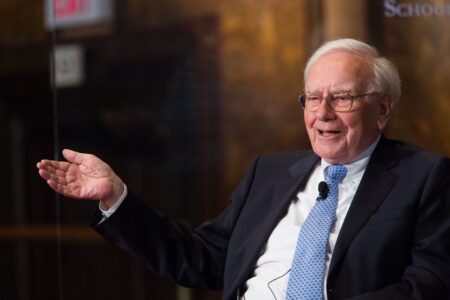
Chewy CEO Sumit Singh sold 81,841 shares of the company’s stock for approximately $1.9 million, according to a regulatory filing tied to a pre-arranged trading plan he adopted in January. The sale reduced his total equity stake in the company by 8%, though Singh continues to hold nearly $20.5 million in beneficial interest.
That gap between what he sold and what he kept is the detail most investors should focus on. Executives who offload shares often draw scrutiny, but the size of his remaining position suggests this wasn’t a vote of no confidence in the company he leads.
What a 10b5-1 Plan Actually Means
The sale was executed under a Rule 10b5-1 trading plan – a pre-scheduled arrangement that allows corporate insiders to sell shares at set intervals without running into insider trading restrictions. Because Singh put the plan in place back in January, the August sale had been locked in months before it executed. That timing matters: it means the transaction wasn’t triggered by anything that happened to Chewy’s stock or business between January and now.
These plans are common among executives at publicly traded companies. They let insiders convert equity compensation into liquidity without creating the impression that they’re reacting to non-public information. The pre-commitment structure is the whole point – by setting the terms well in advance, the executive removes any discretion from the actual sale date. Singh’s plan follows that standard architecture.
Still, a sale is a sale. It shows up in filings, gets picked up by financial data services, and typically generates at least some market reaction. Whether that reaction is warranted depends almost entirely on context – and in this case, the context includes an executive who kept more than ten times as much stock as he sold.
The Retained Stake Carries Its Own Weight
Nearly $20.5 million in beneficial interest left on the table is not a trivial number. Singh’s remaining holdings tie his personal financial outcome directly to Chewy’s performance, which is precisely the alignment that equity compensation packages are designed to create.
An 8% reduction sounds meaningful in percentage terms, but viewed against the total position, the math tells a different story. Singh trimmed a portion of a much larger stake – a move that reads more like routine portfolio management than a strategic retreat from confidence in the company’s direction.

Reading the Signal, or Misreading It
Insider sales rarely mean what the headline implies. The financial press has a long history of flagging executive stock sales as bearish signals, and occasionally that framing is correct. More often, the sale reflects something entirely unrelated to company outlook – a tax event, a real estate purchase, a diversification decision, or in this case, a scheduled liquidation that was baked into a January plan.
What makes Singh’s transaction harder to read as a negative signal is the sheer scale of what he kept. If an executive were positioning to exit ahead of bad news, reducing his stake by 8% while retaining $20.5 million in exposure would be an unusual way to do it. The math on that hedging strategy doesn’t add up.
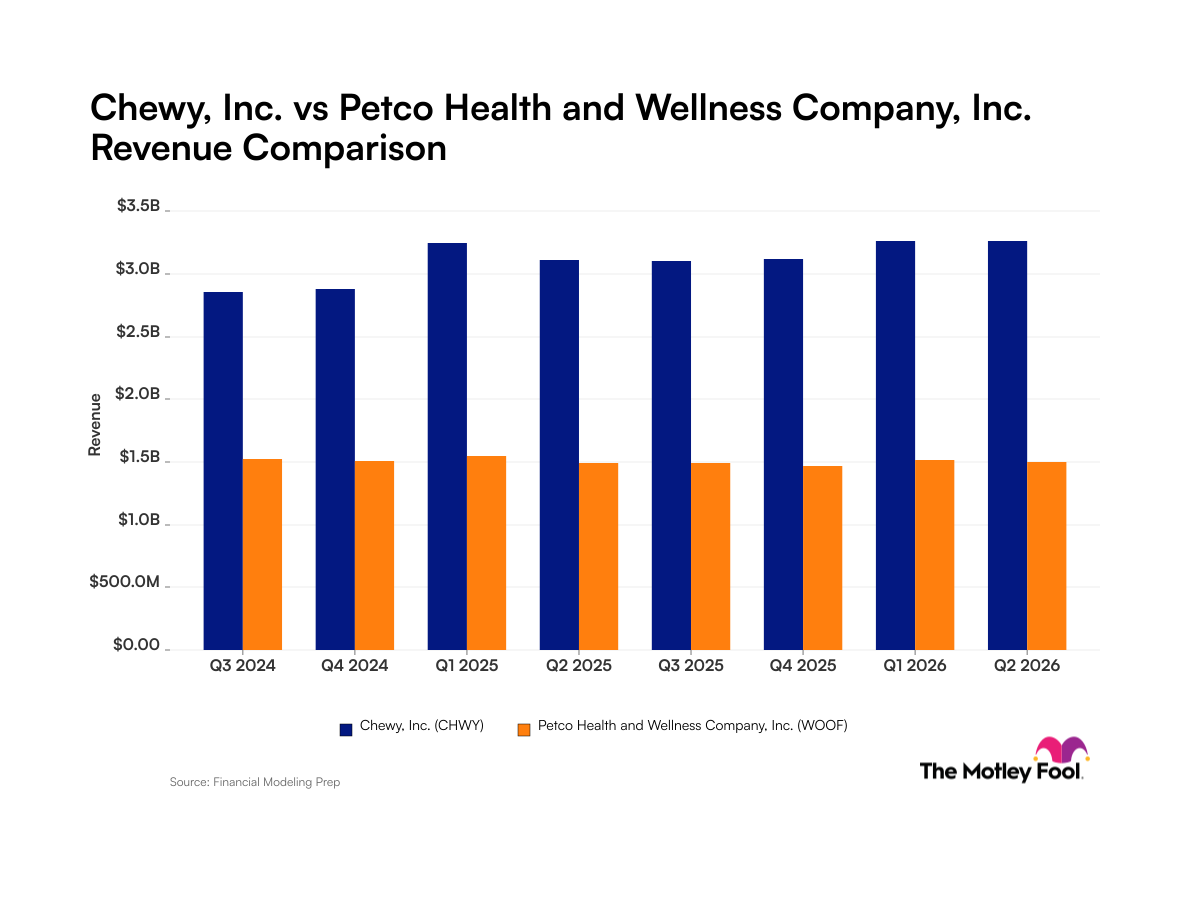
Chewy operates in the pet products and services market, an e-commerce segment that has faced real pressure as pandemic-era tailwinds faded and consumer spending on discretionary categories softened. The company has been working through those headwinds for several quarters. Singh has been at the helm through that stretch, and his equity position reflects a continued financial bet on the company’s ability to navigate it.
The $1.9 million he took off the table is real money by most measures. By the measure of his total position, it’s less than a tenth of what he still holds. That ratio is the thing worth watching – not the sale itself, but whether future filings show it accelerating.
If Singh files another 10b5-1 plan in the coming months and begins selling at a faster pace, the calculus shifts. For now, he’s an executive who sold a scheduled tranche of shares and still holds a $20.5 million stake in the company he runs.