



A Real-World Signal That Changes the Injection Question
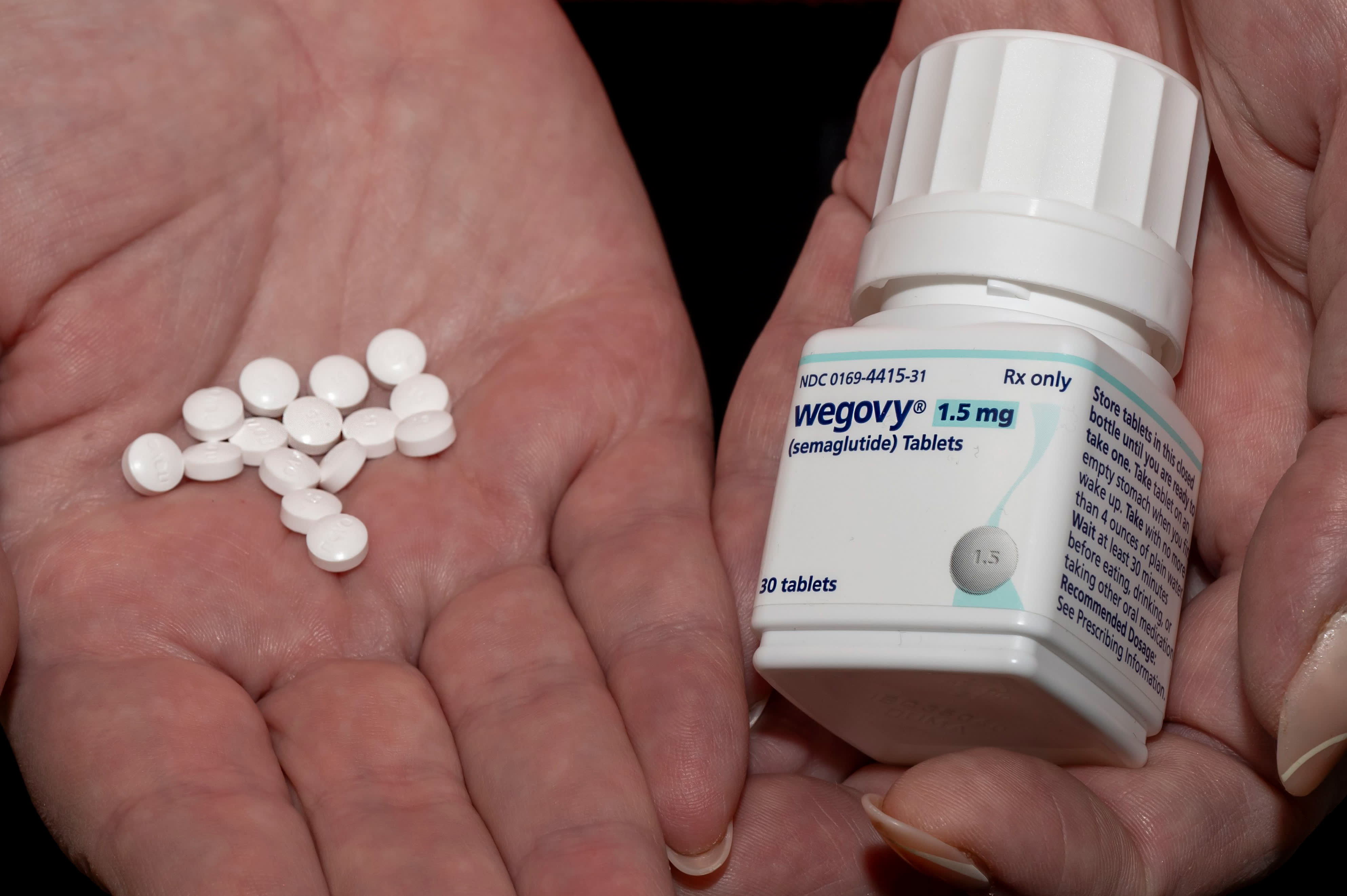
New data on Novo Nordisk’s Wegovy pill shows that patients who switched away from weekly obesity injections continued losing weight – a finding that could reshape how doctors and insurers think about long-term obesity treatment.
What the Study Actually Shows
The central question hanging over the GLP-1 obesity drug market has always been duration: how long do patients need to stay on injections, and what happens when they stop or switch? For Novo Nordisk, that question now has a more commercially favorable answer. Patients who moved from injectable semaglutide – the active ingredient in Wegovy – to the oral pill version did not regain the weight they had lost. They kept losing it.
This is real-world data, not a controlled clinical trial. That distinction matters. Controlled trials manage dosing, adherence, and patient selection in ways that everyday medical practice simply cannot replicate. Real-world evidence captures what actually happens when physicians prescribe drugs to patients with varying habits, incomes, and compliance levels. The fact that weight loss continued in this messier, more realistic setting strengthens Novo’s case considerably.
The pill format addresses one of the most frequently cited barriers to sustained GLP-1 use: injection fatigue. A meaningful share of patients who start on injectable weight-loss drugs discontinue not because the drug stops working, but because weekly self-injection becomes a burden – logistically, psychologically, or both. An effective oral alternative that maintains results removes that barrier without requiring patients to abandon treatment entirely.
Novo Nordisk has been building its oral semaglutide portfolio for years, and the Wegovy pill represents its attempt to extend that franchise into obesity specifically. The injectable version of Wegovy has generated billions in revenue, but the drug’s long-term commercial ceiling depends heavily on whether patients stay on it. A pill that functions as a maintenance option – taken after initial weight loss on injections – opens a second commercial chapter for the same underlying molecule.
The Business Architecture Behind the Switch
From a pure market-structure perspective, the injectable-to-pill transition solves a problem that Novo Nordisk’s competitors would rather not see solved. Eli Lilly’s tirzepatide, sold as Zepbound for obesity, has no approved oral version for that indication yet. If Novo can establish clinical and commercial precedent for oral maintenance therapy following injectable induction, it creates a two-phase treatment model that competitors cannot immediately replicate.

The pricing dynamics of that model are worth examining. Injectable Wegovy carries a list price of roughly $1,300 per month in the United States, though most insured patients pay less. An oral pill, if priced lower – as oral drugs generally are relative to biologics – could actually expand the addressable market by making treatment accessible to patients whose insurance covers oral medications but excludes injectables. That coverage gap is real and affects millions of Americans.
Novo has also faced supply constraints on injectable Wegovy since the drug’s commercial launch. Demand outpaced manufacturing capacity for an extended period, forcing some patients off the drug entirely and others onto waiting lists. An oral option that works as a step-down or maintenance therapy reduces the pressure on Novo’s injectable manufacturing network and gives the company a way to retain patients who might otherwise fall out of the treatment funnel altogether.
There is a less comfortable read on this data as well. If patients can switch to a pill and keep losing weight, some will ask why they needed the injection in the first place. That question has clinical nuance – injections may produce faster or more pronounced initial weight loss, and the switch in the study happened after patients were already on injectables – but it will surface in coverage negotiations and patient conversations regardless. Payers looking to manage GLP-1 drug costs may push for oral-first protocols, which could compress the injectable market Novo has spent years building.
The obesity drug space is now large enough that the commercial stakes of any new data point are significant. Semaglutide, across all its branded forms, is among the highest-revenue pharmaceutical products in the world. Any study suggesting patients can shift to a cheaper or more convenient format – while maintaining outcomes – does not just affect patient care. It affects analyst models, contract negotiations with pharmacy benefit managers, and the competitive calculus for every company trying to enter the GLP-1 market.
Novo Nordisk’s share price and near-term revenue projections have faced pressure as Lilly’s competing drugs gained ground and as broader questions about long-term GLP-1 adherence circulated through the investment community. Real-world data showing that patients who switch to the pill keep losing weight is, at minimum, an answer to one of those questions – and a data point Novo’s commercial team will deploy aggressively with insurers and hospital systems.
What Comes Next for Patients and Payers
For patients currently on injectable Wegovy who find the weekly shot difficult to maintain, this study suggests an exit ramp exists – one that does not require abandoning the clinical progress already made. Whether that option is available in practice depends on insurance formularies, physician willingness to prescribe the oral version, and Novo’s ability to supply the pill at scale without the same constraints that hampered the injectable rollout.

The harder question is how payers respond. If the pill is cheaper and the outcomes are comparable, the negotiating leverage in every GLP-1 contract renewal shifts. Novo Nordisk built its obesity franchise on injectable Wegovy’s efficacy data. Now its own real-world evidence is making the case that the pill can do the job – and somewhere in a pharmacy benefit manager’s office, someone is already running the math on what that means for next year’s formulary.