



Two cybersecurity giants maintain steady revenue expansion while their underlying financial health tells markedly different stories.
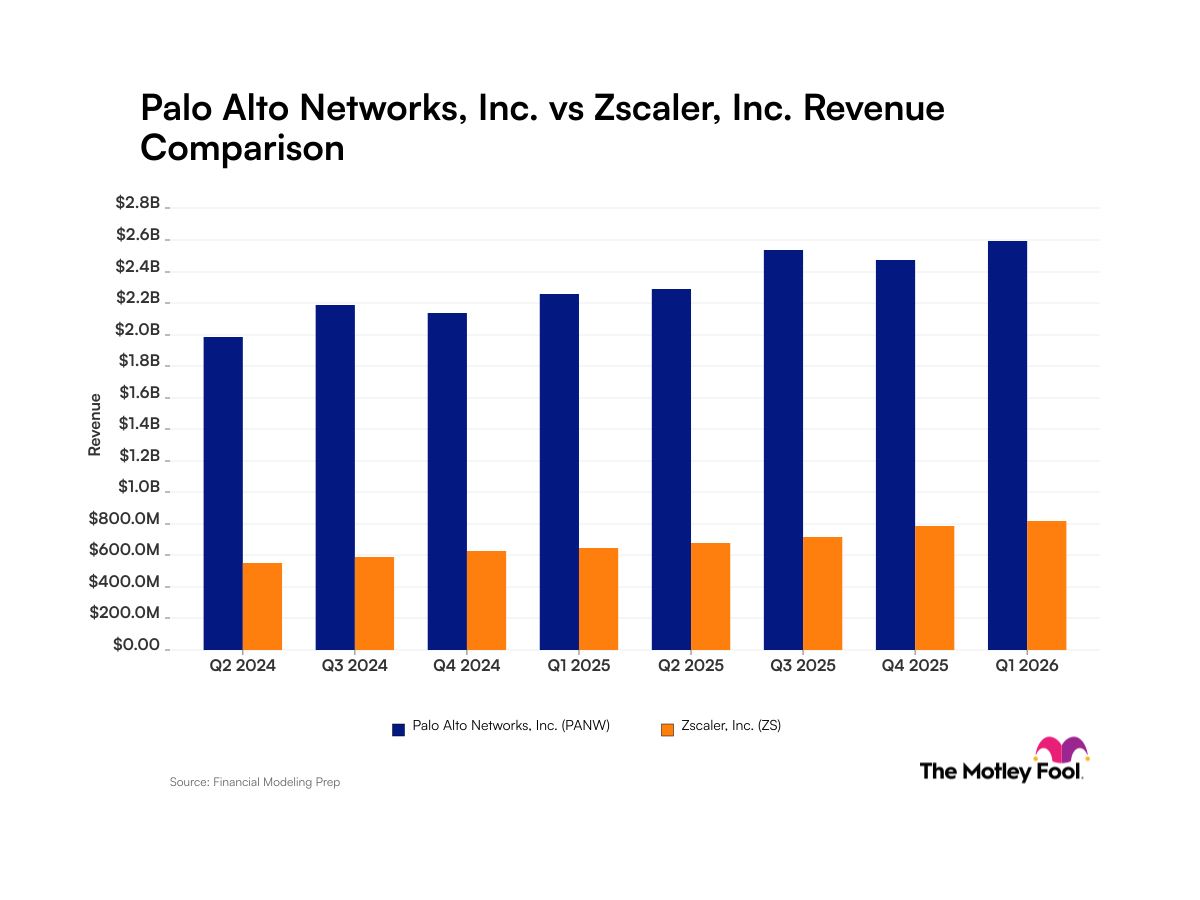
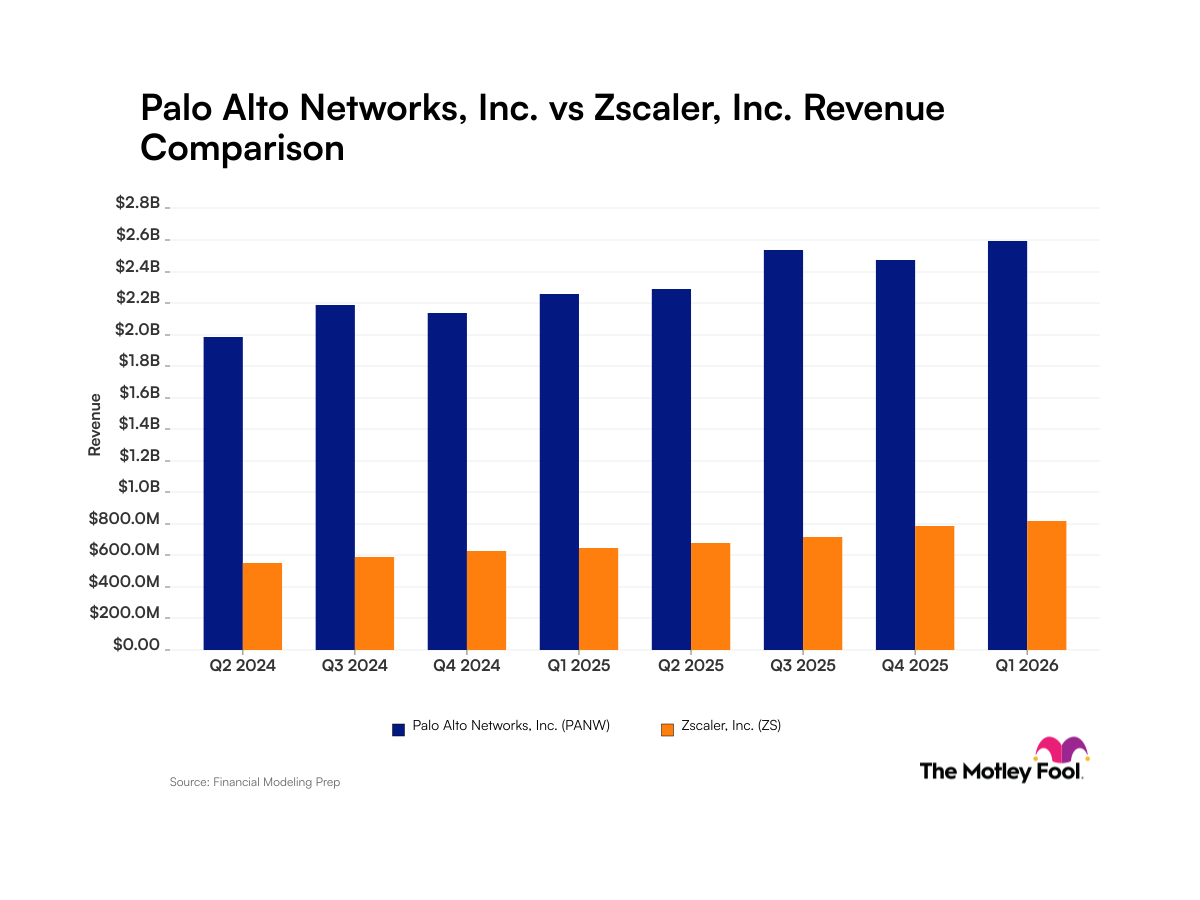
Eight-Quarter Growth Streak Continues
Palo Alto Networks and Zscaler both sustained their revenue growth momentum through their latest quarterly reports, extending a pattern that has persisted across eight consecutive reporting periods. The consistency in top-line performance demonstrates the sustained demand for cybersecurity solutions as organizations continue expanding their digital infrastructure investments.
Revenue trajectories for both companies reflect the broader market dynamics driving cybersecurity spending. Enterprise customers are allocating larger portions of their technology budgets to security infrastructure, creating a favorable environment for established players in the space. This trend has enabled both firms to maintain their growth rates despite increasing competition and market saturation concerns.
The eight-quarter streak represents a significant period of sustained expansion for both companies. During this timeframe, neither firm experienced a quarterly decline in revenue, indicating stable demand patterns and effective customer retention strategies. Such consistency has become increasingly valuable to investors seeking predictable growth in the technology sector.
Market conditions supporting this growth include accelerating digital transformation initiatives, remote work infrastructure requirements, and heightened awareness of cybersecurity threats across industries. Both companies have positioned themselves to benefit from these macroeconomic trends through their respective product portfolios and go-to-market strategies.
Margin Performance Reveals Strategic Differences
While revenue growth patterns appear similar, profit margin trends expose fundamental differences in how each company manages its business model and operational efficiency. These margin variations suggest distinct approaches to scaling operations, pricing strategies, and investment priorities that could influence long-term competitive positioning.
Palo Alto Networks has demonstrated a different margin profile compared to Zscaler, reflecting variations in their cost structures and operational approaches. The differences stem from distinct business models, with each company facing unique challenges in balancing growth investments against profitability improvements. These margin dynamics provide insight into management’s strategic priorities and execution capabilities.
Operating leverage effects appear differently for each firm, influenced by their respective product mix, sales strategies, and customer acquisition costs. The margin trajectories reveal how effectively each company converts revenue growth into bottom-line improvements, a critical factor for sustainable long-term performance. Investors monitoring these trends can gauge which firm demonstrates superior operational discipline.
Cost management approaches between the two companies show notable contrasts in areas such as research and development spending, sales and marketing investments, and general administrative expenses. These operational choices directly impact margin performance and reflect different philosophies about optimal resource allocation in a competitive market environment.
The margin analysis becomes particularly relevant when considering each company’s ability to maintain profitability during potential market downturns or competitive pressures. Firms with stronger margin discipline typically demonstrate greater resilience during challenging economic periods, making this metric especially important for risk-conscious investors evaluating long-term holdings.
Recent Developments Shape Forward Outlook
Beyond the financial metrics, recent corporate developments for both companies provide additional context for understanding their competitive positioning and growth prospects. These developments include product launches, strategic partnerships, acquisition activities, and management changes that could influence future performance trajectories.
The timing and nature of these recent developments suggest each company is pursuing different strategic paths to maintain their growth momentum and competitive advantages. Will these divergent approaches ultimately favor one firm over the other, or do they simply reflect different but equally valid strategies for navigating an evolving cybersecurity landscape?