



A prominent hedge fund has disclosed a significant stake in a mineral rights company that operates across multiple U.S. basins, according to recent SEC filings. The investment targets a firm that combines traditional mineral leasing with direct soda ash production operations.
The filing reveals the fund’s confidence in the royalty-based business model that has gained traction among institutional investors.
Mineral rights companies have attracted increased attention as commodity prices fluctuate and energy markets shift. This particular firm generates income through two distinct channels: leasing mineral extraction rights to third parties and operating its own soda ash production facilities in strategic locations.
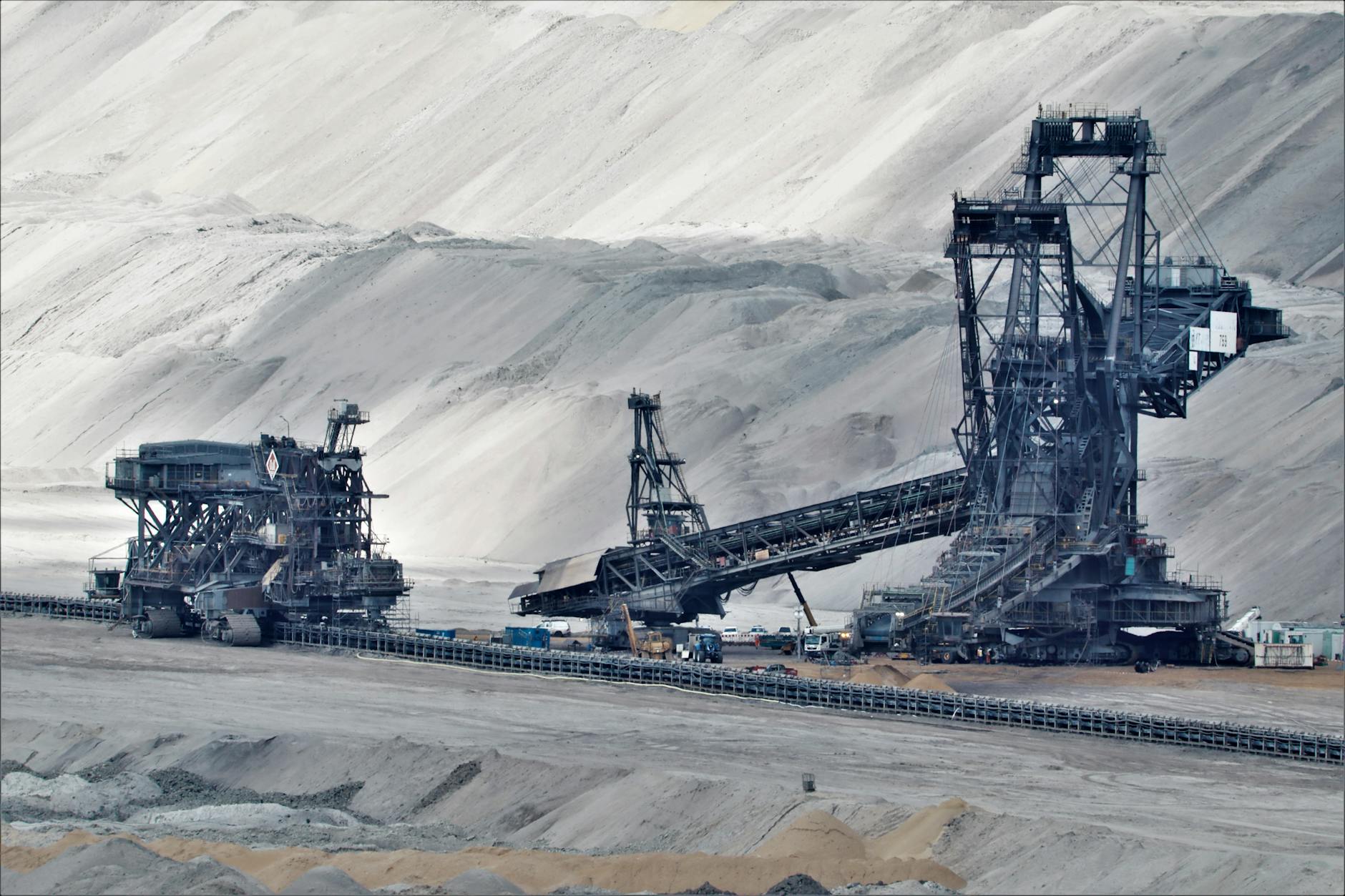
Dual Revenue Streams Drive Investment Interest
The company’s business model centers on owning subsurface mineral rights across key geological formations in the United States. Rather than extracting resources directly in all cases, the firm leases these rights to operating companies in exchange for royalty payments tied to production volumes and commodity prices.
Soda ash production represents the company’s direct operations arm. The mineral, used primarily in glass manufacturing and chemical processing, comes from natural deposits the company controls and processes at its own facilities. This vertical integration provides more predictable cash flows compared to royalty-dependent income streams.
Geographic diversification across multiple basins reduces concentration risk that plagues single-asset mineral companies. The portfolio approach allows the firm to benefit from different commodity cycles and regional market conditions simultaneously.
Hedge Fund Strategy Reflects Broader Commodity Trends
The timing of this investment coincides with renewed institutional focus on hard assets and inflation hedges. Mineral rights companies offer exposure to commodity price movements without the operational complexities of direct extraction or the volatility of commodity futures contracts.

Royalty payments typically include minimum guaranteed amounts plus upside participation when production exceeds baseline levels. This structure provides downside protection while maintaining exposure to potential commodity price spikes. The arrangement also shifts operational risks to the lessees while preserving the mineral owner’s long-term asset value.
Soda ash markets have shown particular strength due to growing demand from emerging economies and limited new supply additions. The chemical’s essential role in glass production for construction, automotive, and packaging industries creates steady underlying demand that supports pricing power.
Institutional investors increasingly view mineral royalties as infrastructure-like investments with inflation protection characteristics. The assets generate cash flows that often adjust with commodity prices, providing natural hedges against currency debasement and rising input costs across the economy.
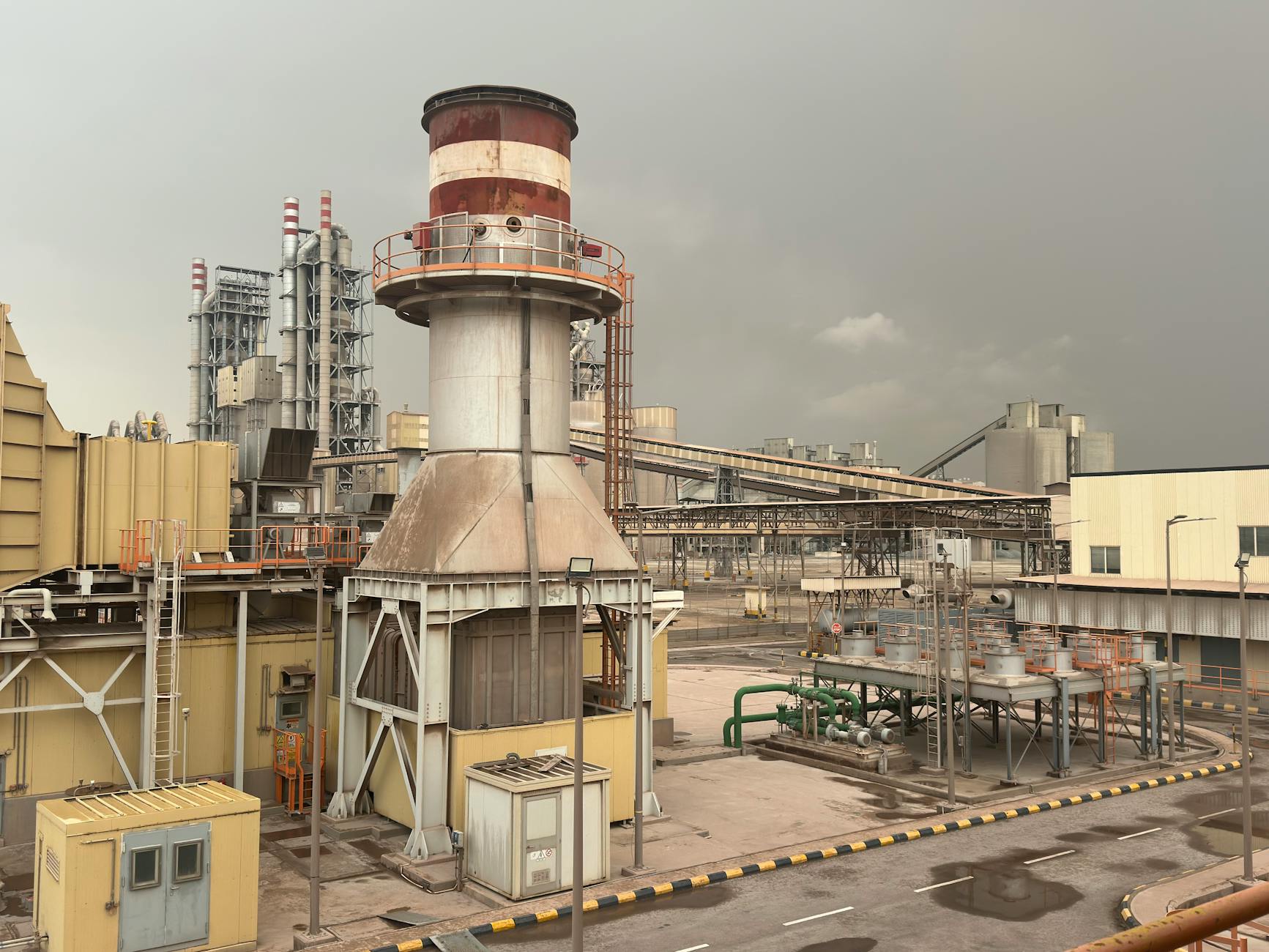
The hedge fund’s position size and timing suggest expectations for sustained commodity demand despite broader economic uncertainties. Whether this bet pays off depends largely on how global supply chains and manufacturing patterns evolve over the coming quarters.