



Anthropic’s expensive Mythos artificial intelligence system has exposed dozens of security vulnerabilities across American banking networks, triggering an industry-wide scramble to patch critical weaknesses before hackers can exploit them.
The AI audit tool, which carries a hefty price tag but delivers comprehensive system analysis, identified numerous gaps in IT infrastructure that major financial institutions had previously missed.
Banks now face mounting pressure to implement emergency fixes and software updates, even as these rapid changes threaten to disrupt normal customer operations.
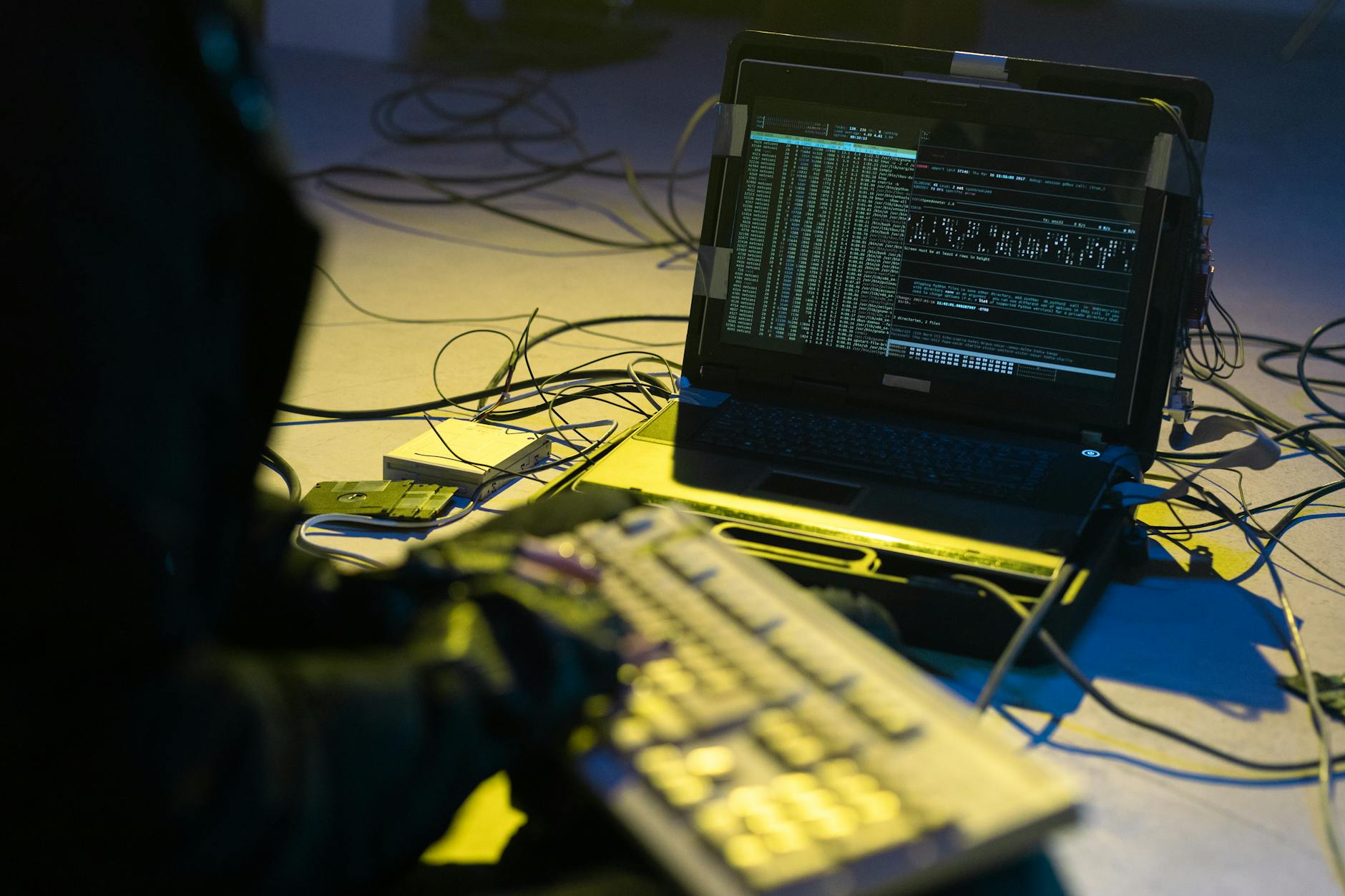
Emergency Repairs Strain Bank Operations
Financial institutions are deploying technical teams around the clock to address the vulnerabilities flagged by Mythos. The AI system’s deep-scanning capabilities revealed weaknesses in everything from customer authentication protocols to internal communication networks. These discoveries have forced banks to prioritize immediate security patches over routine maintenance schedules.
The cost of implementing Mythos initially deterred some institutions, but those who invested early are now ahead of competitors still scrambling to identify their own security gaps. Banks that delayed adoption find themselves playing catch-up, hiring external consultants and expanding their cybersecurity budgets mid-year. The disparity in preparedness has created an uneven playing field across the industry.
Software vendors are experiencing unprecedented demand for emergency updates and patches. Some banks report waiting weeks for critical security fixes, while others have fast-tracked custom solutions at premium rates. The rush to secure systems has strained vendor relationships and pushed some smaller technology providers beyond their capacity limits.
Customer Impact Becomes Inevitable
Despite banks’ efforts to minimize disruption, customers are beginning to experience service interruptions as institutions implement security upgrades. Online banking platforms have suffered intermittent outages, while some ATM networks have required temporary shutdowns for system patches. Mobile banking apps are displaying maintenance messages more frequently, frustrating users accustomed to 24/7 access.
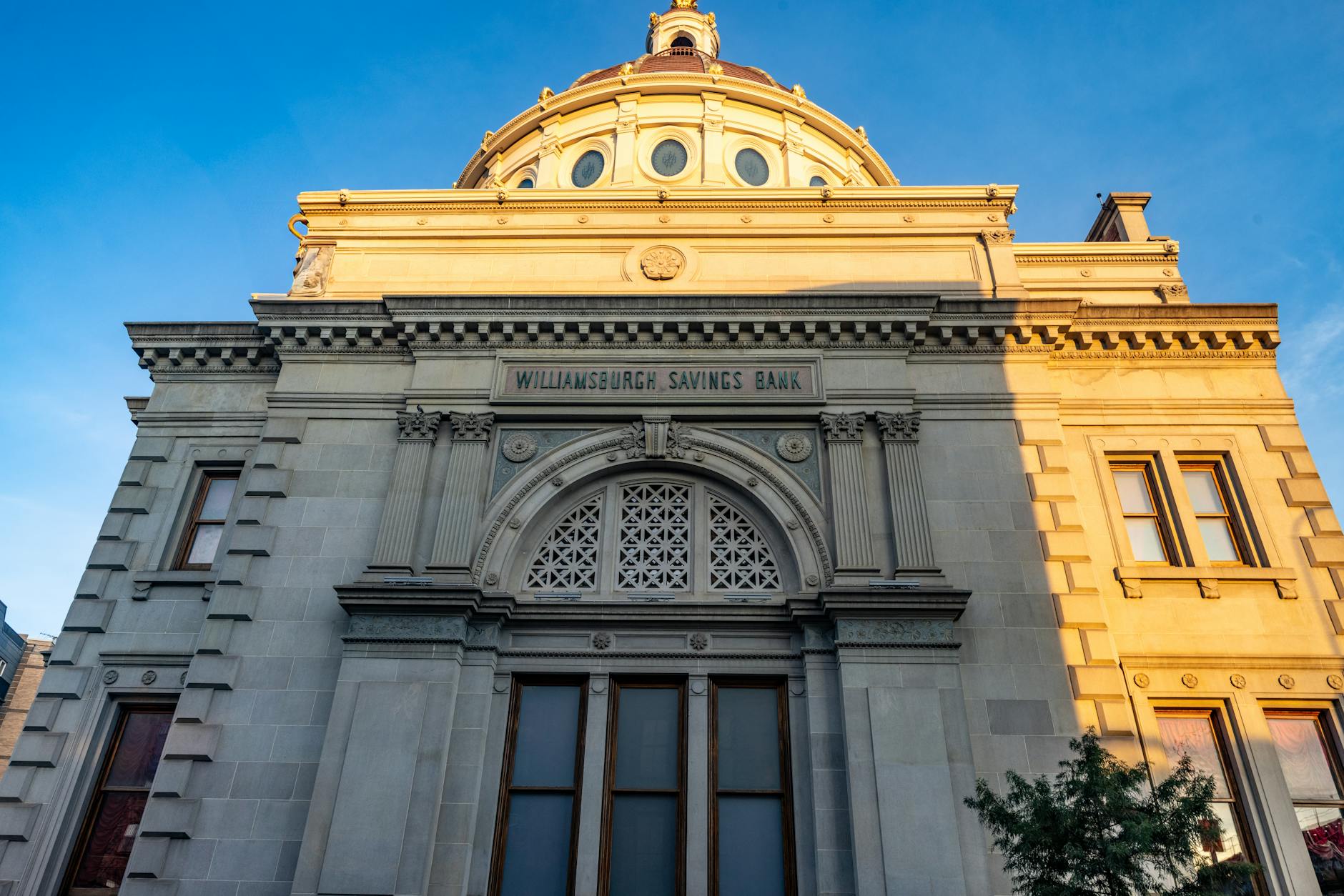
The timing of these repairs poses additional challenges, as banks must balance security needs against peak transaction periods. Weekend maintenance windows that once sufficed for routine updates now extend into business hours, affecting customer transactions and internal operations. Some institutions have staggered their upgrade schedules to avoid simultaneous system failures across the industry.
Branch operations face their own complications, with teller systems requiring updates that temporarily limit transaction capabilities. Staff training has intensified as new security protocols roll out faster than normal, creating confusion among front-line employees. Customer service departments report increased call volumes from users experiencing access difficulties during the upgrade period.
Industry analysts question whether the rush to implement Mythos recommendations might introduce new vulnerabilities even as it addresses existing ones. The rapid pace of changes leaves little time for comprehensive testing, and some banks worry about trading known risks for unknown ones. Meanwhile, cybercriminals actively monitor news of these security overhauls, potentially adjusting their attack strategies to exploit the temporary chaos.