


The Fuel Behind Everything
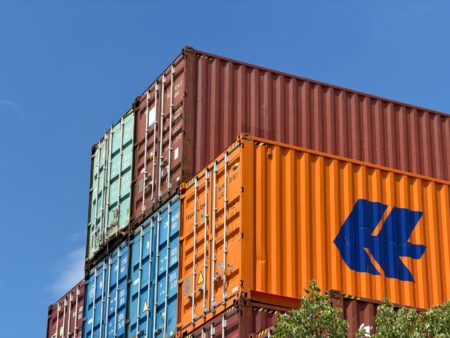
When diesel prices climb, the pain doesn’t stay at the pump. It moves – into freight rates, grocery store shelves, restaurant menus, and the monthly cost of getting to work. Diesel is the working fuel of the American economy, powering the trucks, trains, and ships that move virtually every physical good from a factory or farm to a consumer’s hands. Right now, diesel prices are at record highs, and the downstream consequences are only beginning to show up in the numbers that households actually feel.
“Diesel touches everything in the economy,” as one analyst put it – a short sentence that carries a lot of weight when you start mapping out exactly which costs are about to move and why.
Why Diesel Hits Harder Than Gasoline
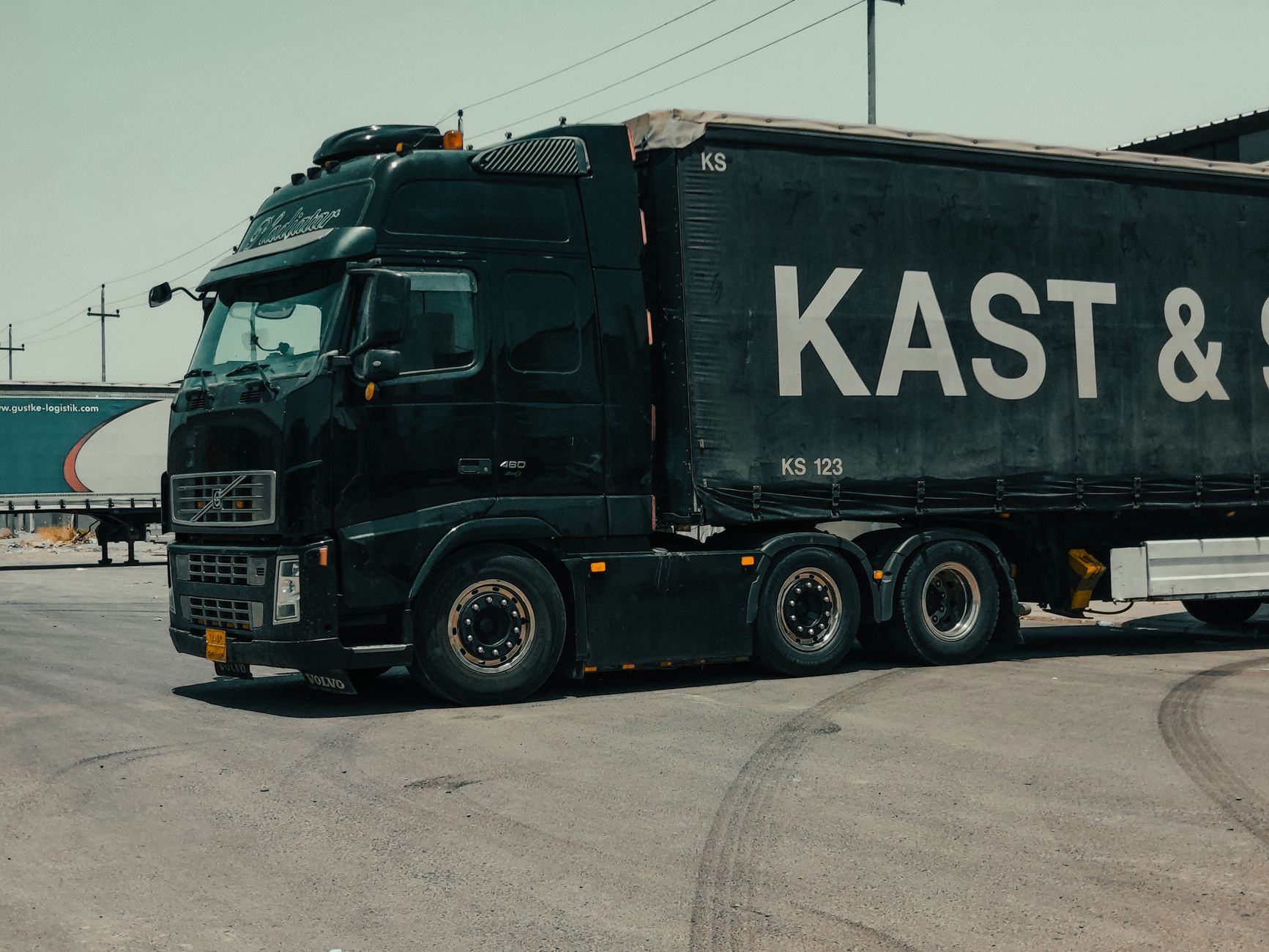
Most people think about gasoline when they think about fuel prices – it’s the number they drive past every day on station signs, and it’s the cost that shows up directly in their own budget. But diesel functions differently. It doesn’t primarily power personal vehicles in the United States; it powers commerce. The trucks delivering produce to grocery distribution centers, the freight carriers moving appliances and electronics across state lines, the farm equipment harvesting grain – all of it runs on diesel. When that fuel gets more expensive, the cost of operating all those systems rises, and businesses pass those costs forward.
That pass-through mechanism is what makes record diesel prices a broad economic event rather than a narrow one. A gasoline price spike is painful for commuters. A diesel price spike is painful for commuters and everyone who buys anything that was ever transported anywhere – which is to say, everyone.
Groceries, Goods, and the Supply Chain Math
Grocery prices are among the most visible places where rising diesel costs land. Food moves almost entirely by truck at some point in its journey from farm to store. When carriers raise fuel surcharges – which is standard practice when diesel climbs – grocery distributors absorb some of that cost and push the rest to retailers, who then face a choice between compressing already-thin margins or raising shelf prices. Most retailers raise prices.
The problem is compounded by the fact that food supply chains involve multiple legs of transportation. A product might move by rail, then truck, then a final last-mile delivery vehicle before it reaches a store. Each leg carries its own fuel cost, and when diesel is at record levels, those costs stack. A single percentage point increase in transportation costs across a supply chain with several handoffs adds up faster than the arithmetic suggests.
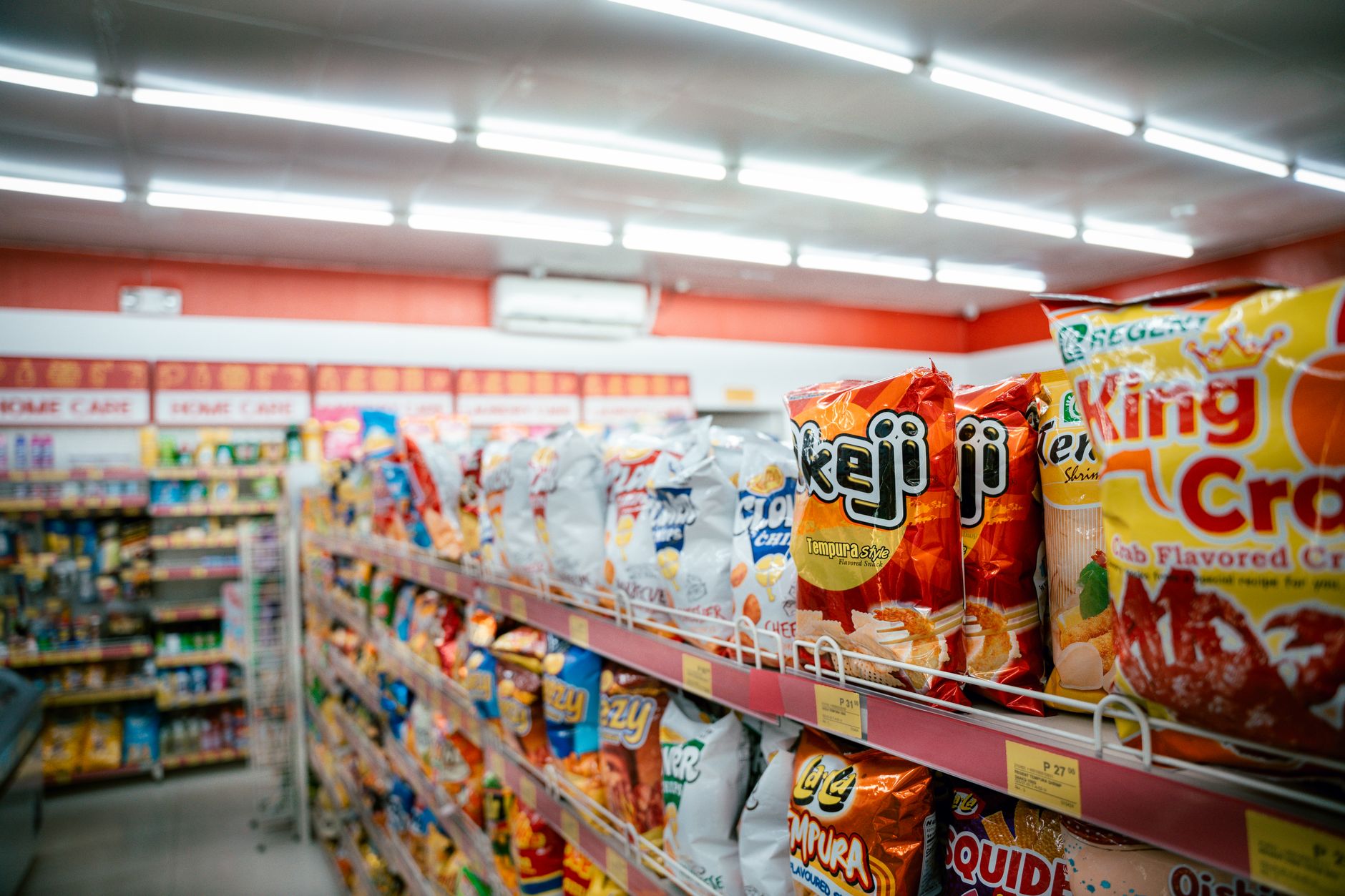
Beyond groceries, the same logic applies to essentially any physical product sold at retail. Furniture, clothing, hardware, home goods – all of it moves on diesel-powered freight. Consumer prices for goods were already elevated heading into this period of record diesel costs, meaning there’s limited cushion in the system. Retailers who absorbed cost increases hoping for relief are running out of room to keep doing that.
Restaurants are also caught in this dynamic from two directions at once. Food input costs are rising because agricultural supply chains are more expensive to run, and delivery costs for restaurant supplies – everything from cooking oil to paper goods to beverages – are climbing alongside diesel. Restaurant operators who haven’t already raised menu prices are likely looking at that option now, particularly in categories like fast food and casual dining where margins are thin and cost sensitivity among customers is high.
The Commuting Calculation
For workers who drive gasoline-powered vehicles to work, rising gas prices are the direct hit. But workers who rely on public transit or freight-dependent employers feel diesel’s influence too. Many transit systems operate diesel bus fleets, and rising fuel costs for those agencies tend to translate into budget pressure that eventually affects service levels or fares. Regional bus networks and smaller transit operators with less financial flexibility face this squeeze more acutely than large urban systems with diversified funding.
Employers in logistics, trucking, and distribution are also recalculating labor costs against fuel costs simultaneously – a combination that’s pushing some to reduce routes, increase delivery minimums, or add fuel surcharges that effectively raise prices for business customers, who then face the same downstream decision about how much to absorb versus pass along.
What This Means for Household Budgets
A household that doesn’t own a car and doesn’t drive is not insulated from record diesel prices. The food they buy traveled by truck. The goods they order online were loaded onto diesel-powered delivery vehicles. The building materials used in their apartment complex arrived on freight carriers running on the same fuel that’s now at record cost. Energy price spikes at the consumer level tend to get the headlines, but the embedded transportation costs in physical goods are a quieter and often more durable form of inflation.

For households already managing tighter budgets after two years of elevated inflation across food, housing, and services, the arrival of record diesel prices into the cost equation is not a theoretical problem. It shows up in the weekly grocery run, in the price of replacing a broken appliance, in the small surcharges that appear on delivery orders. These aren’t large line items individually, but they accumulate – and they arrive at a moment when there isn’t much financial slack in many American households to absorb them quietly.
The trucking industry, which is the most direct transmission point between diesel prices and consumer prices, has been operating under significant cost pressure for months. Smaller carriers in particular have fewer tools to manage fuel cost volatility – they can’t hedge fuel purchases the way large logistics companies can, and they have less leverage in rate negotiations with shippers. Some are already exiting routes or curtailing capacity, which tightens freight availability and gives carriers with staying power more pricing leverage, not less. That dynamic alone suggests consumer prices tied to freight costs aren’t done moving upward.