


A Diplomatic Overture Becomes a Trade Flashpoint
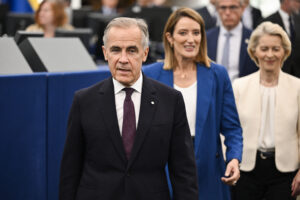
President Donald Trump has put the European Union on notice, warning that any move to grant Canada associate member status within the bloc could be treated as a “hostile act” against the United States. The statement signals that Washington is watching trans-Atlantic political arrangements with the same scrutiny it applies to trade flows – and that Trump is prepared to reach for tariffs as a response to diplomatic decisions, not just economic ones.
That framing is new territory.
Historically, the U.S. has voiced concern about EU expansion or institutional arrangements through diplomatic channels – carefully worded statements, bilateral meetings, quiet pressure. Trump’s approach is different: he is openly threatening retaliatory tariffs in response to a membership discussion that hasn’t even been finalized, collapsing the line between trade policy and geopolitical positioning into a single threat.

What’s Actually Being Proposed – and Why Washington Is Reacting
The concept of Canada becoming an associate member of the European Union is not a standard institutional move. Full EU membership requires a country to be European in geography, among other criteria – Canada does not qualify on that basis. An associate arrangement would be a looser, more flexible relationship, potentially covering areas like trade coordination, regulatory alignment, or security cooperation. The details remain under discussion, but the direction is clear: Canada and European leaders are exploring ways to deepen their relationship at a moment when both are navigating friction with Washington.
That context matters. Canada has been subject to U.S. tariff pressure under the Trump administration, and the European Union has had its own fraught negotiations over trade terms with Washington. A closer Canada-EU relationship would, in effect, create a counterweight – two major economies coordinating on terms that don’t necessarily include or benefit the United States. From Trump’s perspective, that reads less like routine diplomacy and more like a strategic realignment aimed at reducing American leverage.
His response – threatening additional tariffs on the EU if it moves forward – fits the pattern his administration has used repeatedly: treat economic access to the American market as a bargaining chip in disputes that go well beyond the price of goods. Whether that approach shifts European calculations is another question entirely.
Tariffs as Foreign Policy, Not Just Trade Enforcement
What makes Trump’s warning notable is the explicit linkage between a political arrangement and a commercial penalty. Tariffs are typically justified on grounds of trade deficits, unfair subsidies, or national security. Threatening them because the EU might formalize a closer relationship with Canada stretches that logic into something closer to political coercion – using market access as leverage over who American allies are allowed to align with diplomatically.
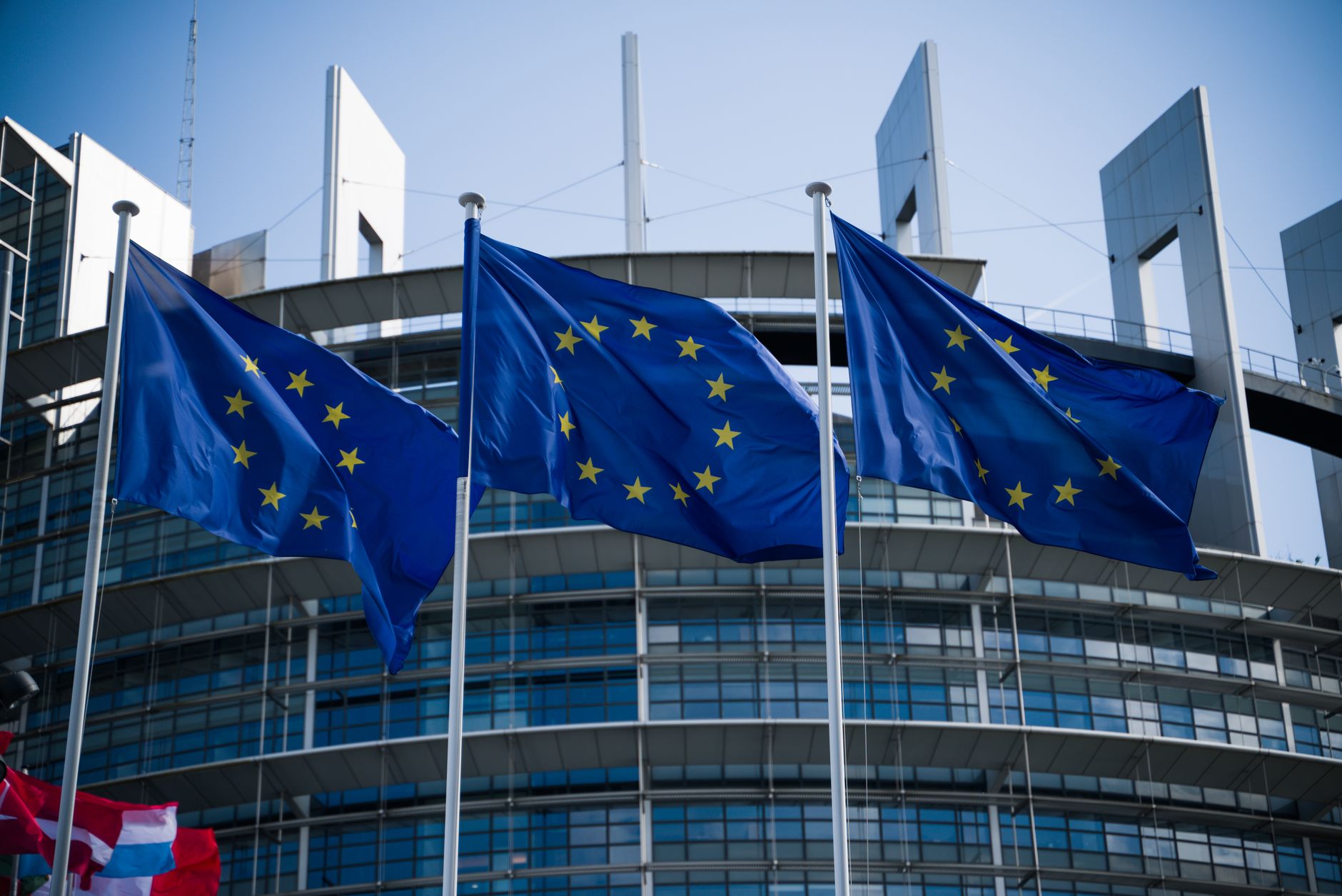
The European Union is already managing a complex relationship with Washington on trade. Additional tariffs would hit European exporters across sectors – manufacturing, agriculture, luxury goods – at a time when the continent’s largest economies are under pressure from sluggish growth and energy costs that remain elevated compared to pre-2022 levels. For Brussels, the calculus becomes whether deepening ties with Canada is worth absorbing another round of U.S. trade penalties.
Canada, for its part, has been actively seeking to diversify its economic relationships as U.S. tariffs have complicated the trade environment it relied on for decades. A stronger institutional link with the EU would give Ottawa alternative markets, regulatory frameworks to align with, and a degree of political cover – all things that become more valuable the more unpredictable the U.S. trade posture becomes.

Where This Lands
The warning from Trump puts both the EU and Canada in a position they’ve been in before with this administration: forced to weigh the value of a bilateral move against the near-certain prospect of American economic retaliation. The difference now is that the trigger isn’t a tariff rate or a trade imbalance – it’s the act of two U.S. allies choosing to draw closer to each other. If that alone qualifies as a “hostile act” in Washington’s view, the list of decisions that might invite American tariff threats is longer than anyone in Brussels or Ottawa may have anticipated.