

The Fuel Behind Every Price Tag
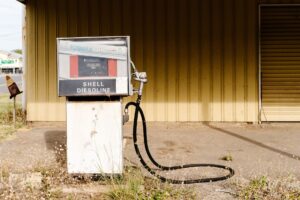
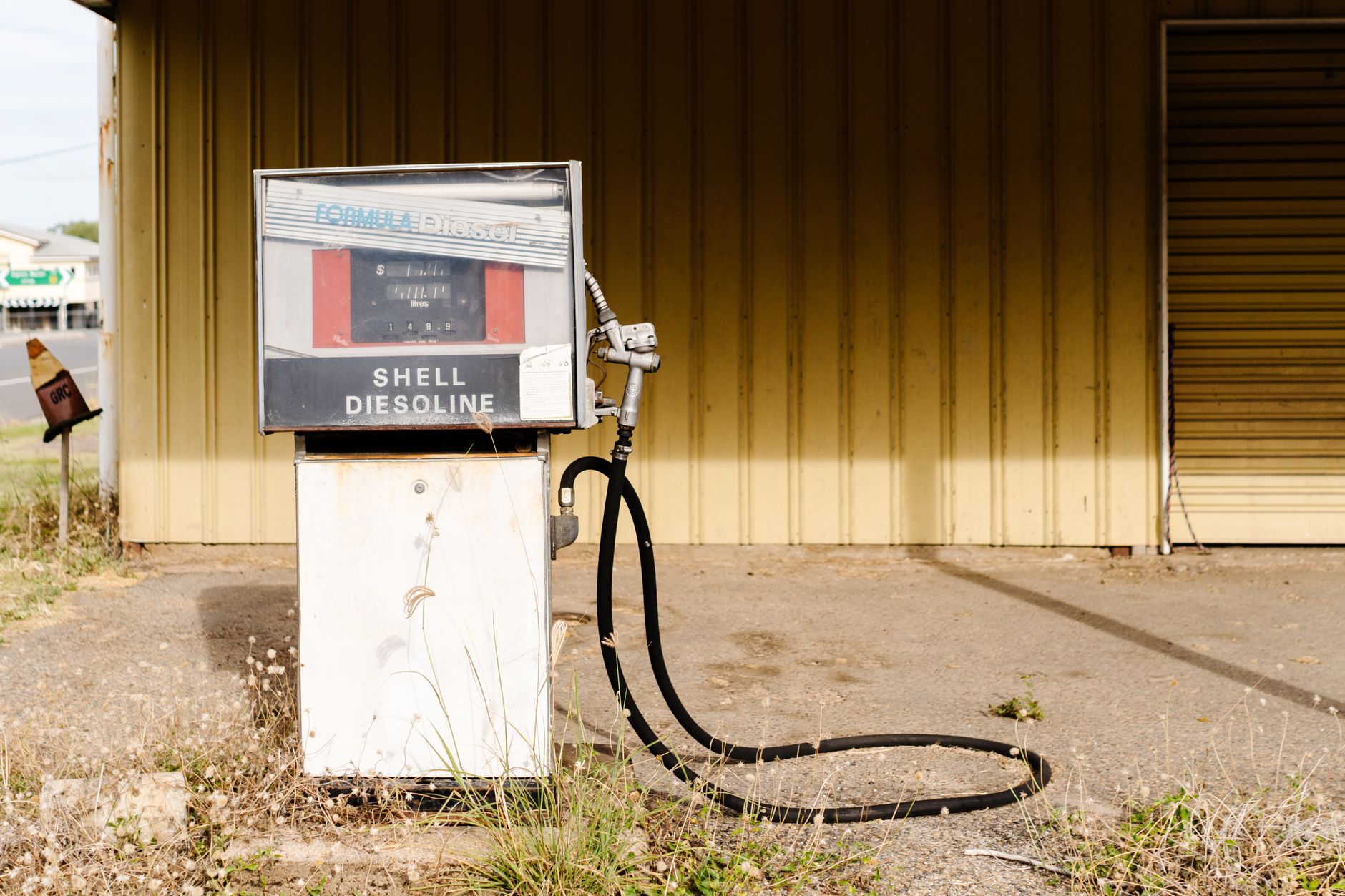
Most Americans fill up on regular gasoline and never think twice about diesel. That indifference is about to get expensive. Diesel prices have hit another record high, and unlike the pump price on your morning commute, diesel works its way into the cost of nearly everything sold, shipped, refrigerated, or harvested in the United States.
The timing compounds the pressure. Diesel’s record comes in the same week that the Consumer Price Index data, Federal Reserve deliberations, and European Central Bank policy decisions are all in play – meaning the fuel price that most drivers ignore is landing squarely in the middle of the most consequential inflation conversation in years.
Why Diesel Runs the Economy While Gasoline Gets the Headlines
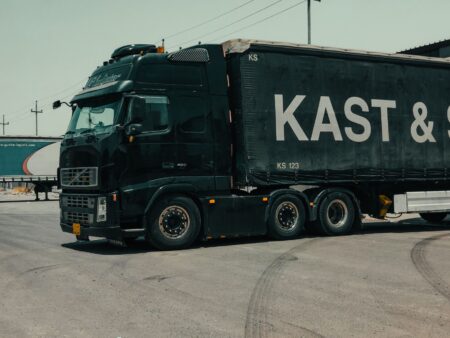
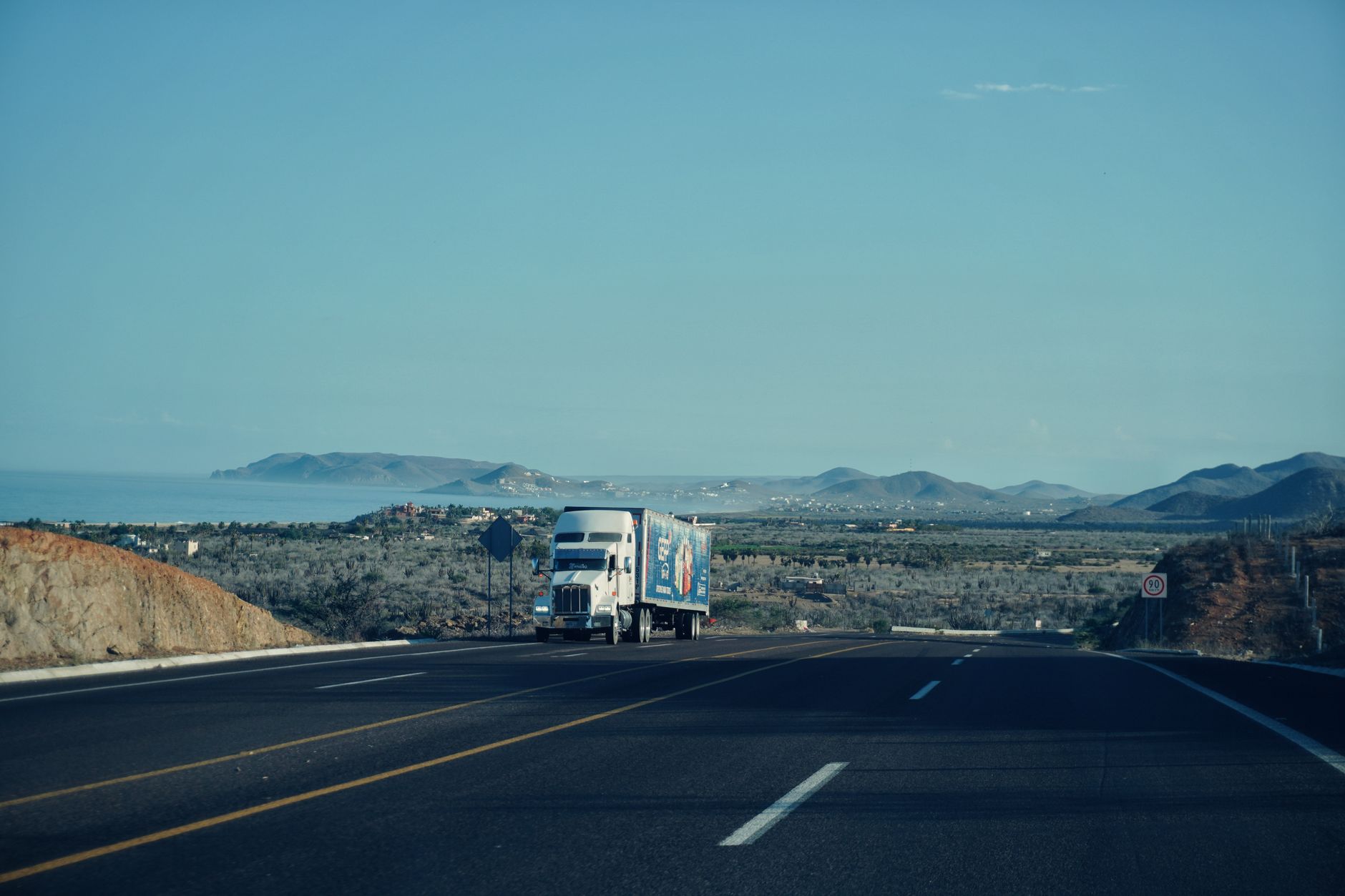
Gasoline powers passenger cars. Diesel powers everything else. The trucks that move goods from distribution centers to grocery shelves run on diesel. So do the trains hauling grain across the Midwest, the tractors turning soil in farming country, the refrigerated containers keeping meat and produce cold in transit, and the construction equipment building the roads those trucks drive on. When diesel prices rise, the cost increase doesn’t stay contained to fleet operators – it migrates into every invoice, every freight contract, and eventually every price tag on every shelf.
That transmission mechanism is faster and broader than most consumers realize. A trucking company facing higher fuel costs doesn’t absorb the difference for long. It passes the increase to the shipper. The shipper passes it to the retailer. The retailer passes it to the shopper. The chain is short, and each link moves quickly. Grocery prices are particularly exposed because food supply chains are long, perishable, and almost entirely dependent on diesel-powered transport at multiple stages – farm to processor, processor to distribution center, distribution center to store.
Farm inputs also run on diesel. Equipment that plants and harvests crops burns it directly. Fertilizer production and delivery depends on it. When a bushel of corn or a head of lettuce costs more to grow and more to ship, the grocery bill at the end of that chain reflects both pressures at once. The diesel price, in that sense, is not just a transportation cost – it is an agricultural input cost that doubles back into food inflation from two directions simultaneously.
What This Means for the CPI and Central Bank Decisions
The Consumer Price Index measures what Americans pay for a basket of goods and services, and food and transportation costs are significant components of that basket. A sustained rise in diesel prices feeds both categories at the same time, which is why central banks watch freight fuel costs as a leading indicator rather than a lagging one. The Fed is already navigating one of the most aggressive rate-hiking cycles in decades, and a new wave of cost pressure arriving through supply chains complicates any case for easing off.
The European Central Bank faces a version of the same problem. European diesel prices have been under pressure from both global supply dynamics and the energy disruptions following Russia’s invasion of Ukraine, and the ECB is simultaneously managing inflation that has run well above its targets. A record diesel price hitting in the same week as major policy meetings on both sides of the Atlantic is not a coincidence policymakers can easily set aside.
The Grocery Bill Is the Visible End of an Invisible Chain
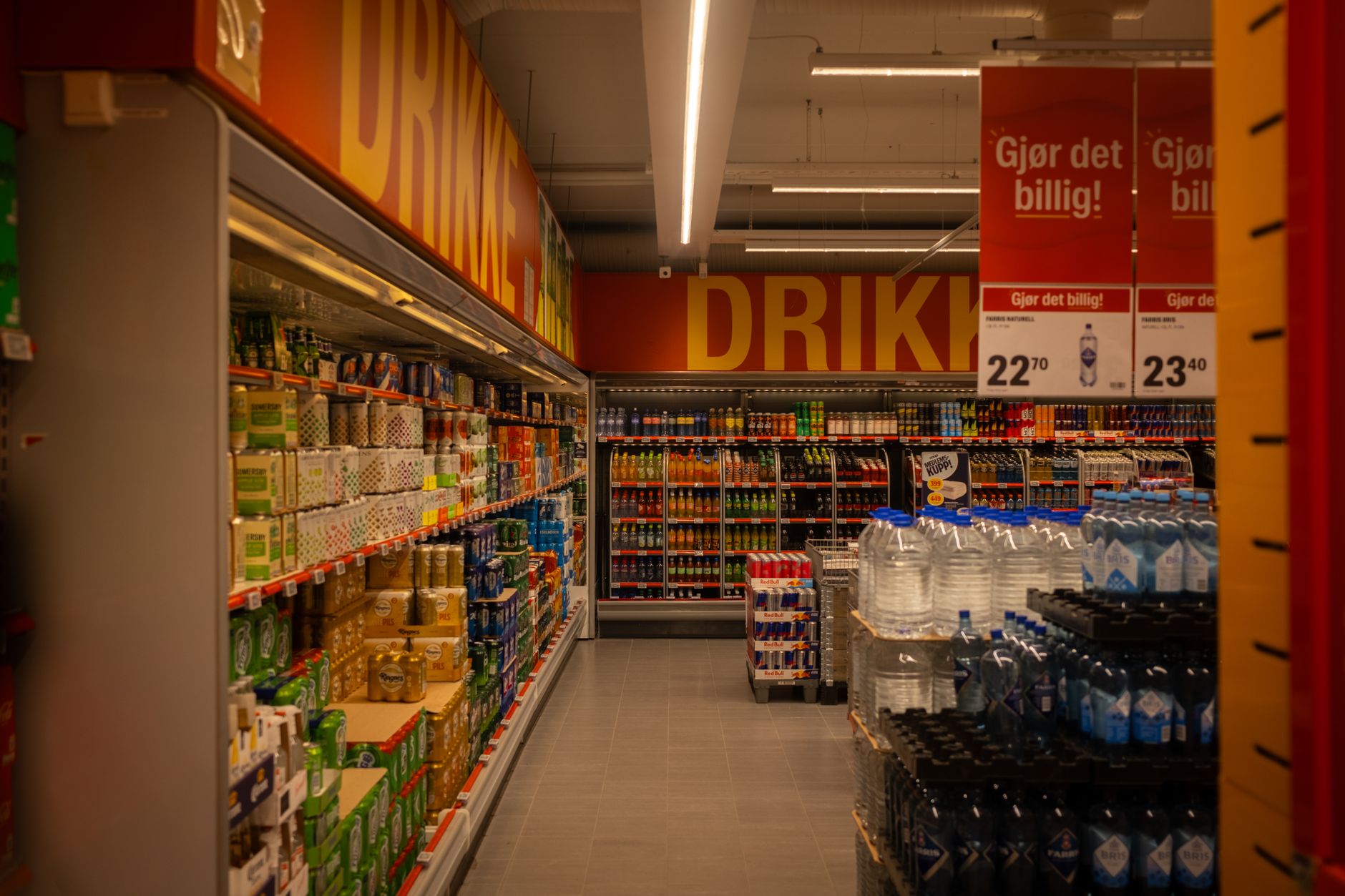
For most households, the diesel price is abstract until it isn’t. It becomes concrete when the weekly grocery run costs noticeably more than it did six months ago, or when a restaurant adds a fuel surcharge to the bill, or when a small business owner gets a freight invoice that’s 30 percent higher than last year’s and has to decide whether to raise prices or cut margins. Those moments of sticker shock are the retail surface of a wholesale cost problem that started with diesel.
Food retailers have been absorbing portions of cost increases to protect volume, but that strategy has limits. When input costs stay elevated long enough, margin compression forces a reckoning. Prices rise, or stores reduce variety, shrink package sizes, or shift toward private-label products with better margin profiles. Shoppers are already seeing all of these adjustments in varying degrees, and none of them make the weekly grocery run cheaper.
For anyone tracking corporate earnings in food retail, consumer staples, or freight and logistics, diesel is the variable that ties results together across sectors. A trucking company’s operating costs, a grocer’s shrinking gross margin, a packaged food company’s rising distribution expenses – all of them run through the same fuel price. Diesel at record highs is already reshaping price tags across retail categories, and the earnings reports that follow will show exactly where those costs landed and who absorbed them.
Lower-income households spend a disproportionate share of their budgets on food and transportation, which means diesel-driven inflation is not neutral in how it distributes pain. A household spending 15 percent of its income on groceries feels a food price increase more sharply than one spending 5 percent. Record diesel prices, in that way, are not just a macroeconomic data point – they are a household budget event, and for millions of families, the impact will show up before any central bank response can reach them.
A Record That Doesn’t Stay at the Pump
The irony of diesel is that it rarely makes the evening news the way gasoline does. There are no roadside signs displaying the diesel price for passing drivers. Most people have no idea what it costs per gallon on any given day. But the economy does. Every price in a grocery store, every delivery surcharge on an e-commerce order, and every freight rate in a supply chain contract is downstream of that number.
Record diesel prices don’t stay at the pump. They travel – slowly enough that consumers don’t always connect the cause to the effect, but fast enough that by the time a central bank adjusts rates, the cost has already moved through the supply chain and settled into the price of bread, eggs, and everything else sitting on a shelf that a diesel truck put there.
The question retailers and logistics operators are now wrestling with is not whether these costs will show up in prices – they already are – but how much more is still in transit.