



Semiconductor stocks have delivered extraordinary returns this year, prompting widespread comparisons to the final stages of the dot-com bubble. The surge in AI-related investments has created conditions that many market observers liken to 1999, when technology buildouts reached fever pitch before the spectacular crash that followed.
One veteran investor who lived through the dot-com era offers a different perspective.
Rather than viewing current market conditions as a repeat of 1999’s speculative excess, this survivor of the technology crash argues the AI infrastructure buildout more closely resembles 1997 – two years before the bubble burst. The distinction matters because it suggests the current rally may have more room to run, though the investor still advocates for maintaining substantial cash positions.
Early Stage Infrastructure Development
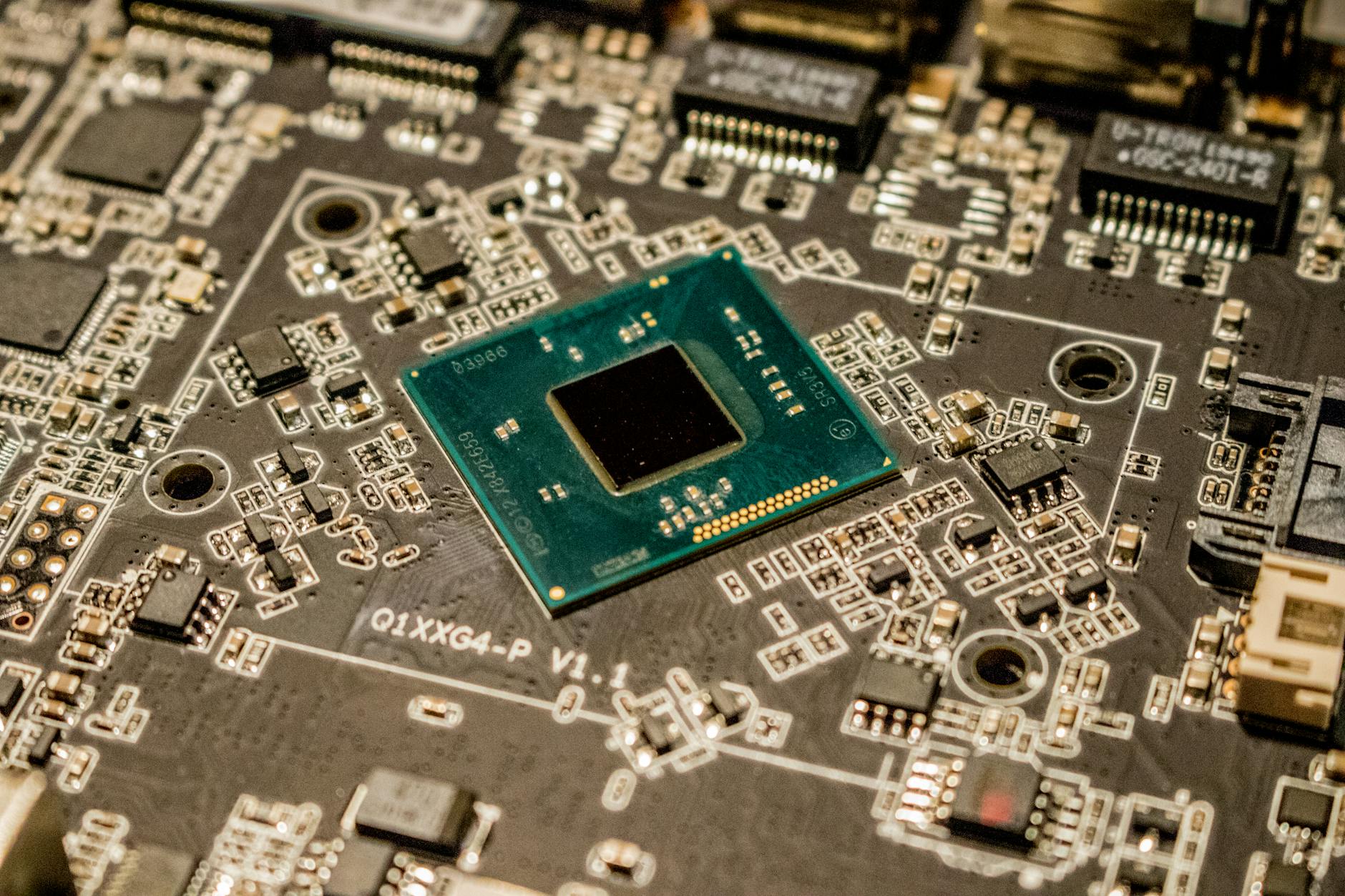
The comparison to 1997 rather than 1999 centers on the nature of current AI investments. Unlike the final stages of the dot-com boom, when money flowed into questionable business models and companies with no clear path to profitability, today’s AI spending focuses on fundamental infrastructure. Chip manufacturers, data center operators, and cloud service providers are building the backbone that will support artificial intelligence applications for years to come.
During 1997, internet infrastructure companies were laying fiber optic cables, building data centers, and developing the foundational technologies that would enable the digital economy. The speculation and irrational exuberance that characterized 1999 had not yet taken hold. Companies were still focused on building real capabilities rather than chasing inflated valuations based on unrealistic growth projections.
This infrastructure-first approach mirrors what’s happening in the AI sector today. Major technology companies are investing billions in semiconductor capacity, specialized AI chips, and the computing power necessary to train and deploy large language models. These investments represent tangible assets and capabilities, not merely speculative bets on future potential.
Cash Positioning Despite Optimism
The veteran investor’s recommendation to maintain higher cash levels might seem contradictory given the relatively early-stage assessment of the AI buildout. However, this approach reflects lessons learned from the dot-com crash and recognition that even promising technology cycles can experience significant volatility.

Cash provides flexibility to capitalize on opportunities that emerge during market turbulence. Even if the AI revolution continues for several more years, periodic corrections are likely as investors reassess valuations and company fundamentals. Those with substantial cash positions can take advantage of temporary dislocations to acquire shares of quality companies at more attractive prices.
The strategy also acknowledges uncertainty about timing and execution within the AI sector. While the overall trend toward artificial intelligence appears irreversible, individual companies may struggle to monetize their investments or face competitive pressures that weren’t initially apparent. Cash reserves allow investors to be selective and patient rather than forced to sell positions during unfavorable market conditions.
Market Dynamics and Valuation Concerns
Current semiconductor valuations reflect enormous optimism about AI adoption across industries. Companies like Nvidia have seen their market capitalizations increase by hundreds of billions of dollars based on expectations for sustained growth in AI chip demand. These valuations price in significant execution success and continued expansion of AI applications.
The 1997 comparison suggests these valuations may be justified if the buildout continues for several more years. However, even legitimate technology revolutions can experience periods of overvaluation followed by sharp corrections. The dot-com crash demonstrated that good companies with real businesses could still see their stock prices decline by 80% or more when market sentiment shifted.
Earnings growth will ultimately determine whether current valuations prove sustainable. AI chip companies must demonstrate their ability to translate increased demand into sustained profitability. Cloud service providers need to show that AI workloads generate meaningful revenue growth. The infrastructure being built today must eventually support profitable applications that justify the enormous capital investments.
The cash recommendation also reflects broader economic uncertainties beyond the technology sector. Interest rates, inflation, geopolitical tensions, and other macroeconomic factors could create headwinds for high-growth technology stocks regardless of their fundamental prospects. Maintaining liquidity provides protection against scenarios where external forces disrupt even well-positioned companies.
Whether the AI buildout continues for two more years or faces an earlier reckoning may depend on how quickly real-world applications begin generating returns on the massive infrastructure investments being made today.