


A Geographic Dispute Lands on the Waterfront
Ontario Premier Doug Ford has taken the U.S.-Canada tension over Great Lakes naming rights off the diplomatic circuit and onto the physical landscape. Ford’s response to President Donald Trump’s push to rename Lake Ontario “Lake America” was a giant shoreline sign reading “Lake Ontario. Now and Always.” – planted in plain view on the Canadian side of the water.
The sign is blunt by design. There is no accompanying statement softened by diplomatic language, no bilateral commission convened to study the matter. Ford’s answer is painted in large letters on Canadian soil, facing the lake that has carried its name through centuries of trade, shipping, and border negotiations between two of the world’s largest trading partners.
Why the Name Matters Beyond the Symbolism
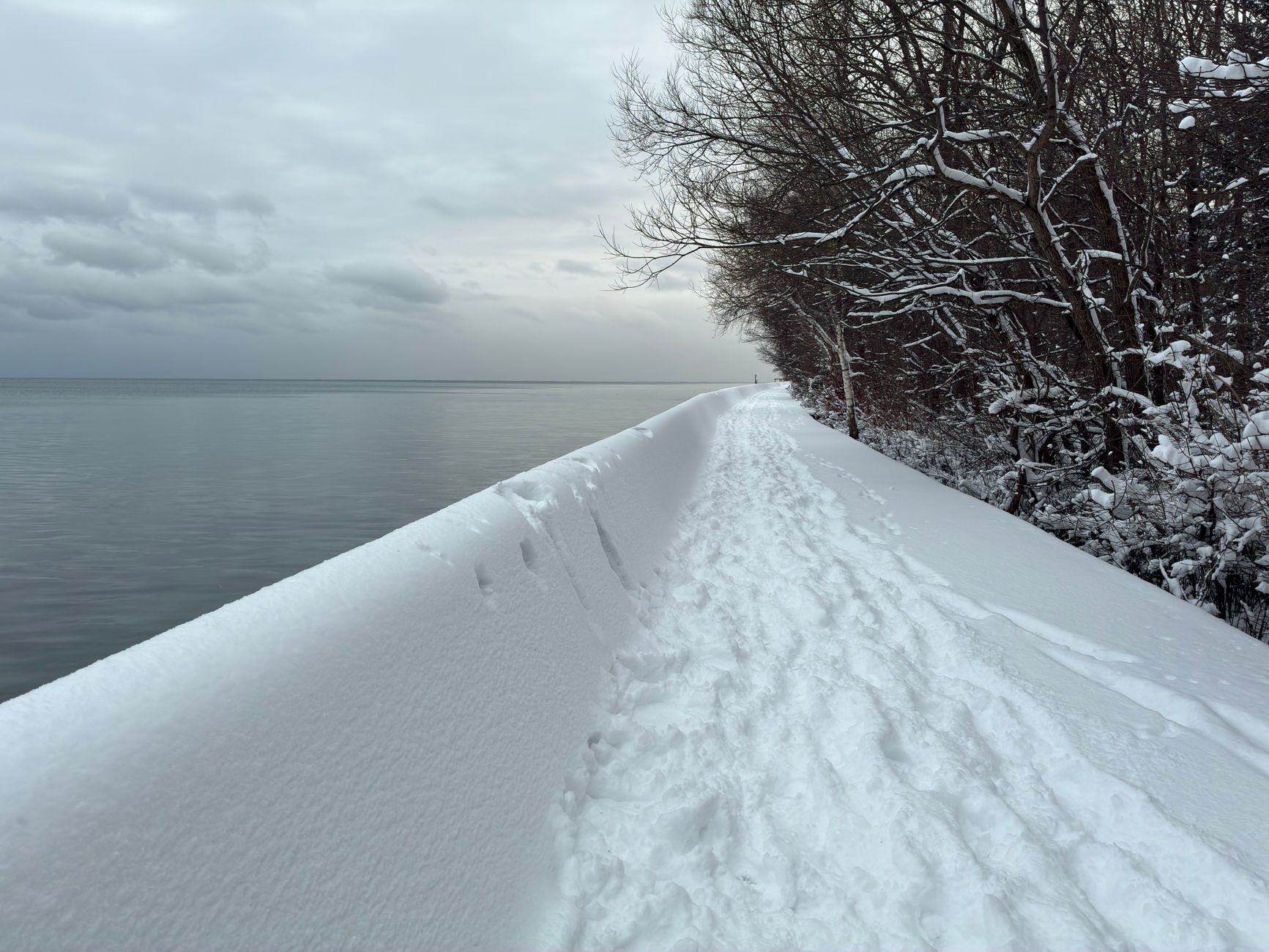
Lake Ontario is not merely a geographic feature. It is a working economic artery. The lake sits at the eastern end of the Great Lakes system, connecting to the St. Lawrence Seaway and serving as a corridor for cargo moving between the industrial Midwest and Atlantic shipping lanes. Any formal renaming effort – however unlikely to take legal hold on the Canadian side – introduces friction into a binational relationship already strained by tariffs, supply chain disputes, and ongoing renegotiation pressure over trade terms.
Trump’s “Lake America” decree follows a pattern of using geographic and symbolic assertions as negotiating leverage. The same approach surfaced with Greenland and the Gulf of Mexico, where the Trump administration pushed for name changes that carried more political weight domestically than legal standing internationally. Canada has no obligation to adopt a U.S.-designated name for a body of water that its own shoreline borders, and Ontario’s provincial government has made clear it intends to exercise that position loudly.
Ford’s sign is also economic signaling directed at Ontario residents and Canadian businesses watching how their provincial government responds to sustained pressure from Washington. Ontario’s manufacturing base – auto assembly, steel, parts suppliers – has already absorbed multiple rounds of tariff uncertainty since Trump returned to office. The premier’s willingness to respond with a public, physical statement rather than a formal diplomatic protest suggests a calculation that visible defiance plays better locally than quiet back-channel objection.
The economics of the Great Lakes region make the underlying conflict harder to dismiss as purely symbolic. Canada and the United States share not just the lakes but the regulatory frameworks governing shipping, water quality standards, and fisheries management across all five bodies of water. Lake Ontario’s commercial fishing industry, municipal water systems drawing from its basin, and the port infrastructure along its Canadian shore all operate under agreements that predate both Trump and Ford by decades. A unilateral renaming from Washington does not alter any of those agreements, but it does raise the temperature on a relationship where temperature already runs high.
Ford’s Political Math
For Ford, the sign serves a dual purpose. Provincially, it positions him as a defender of Canadian identity at a moment when federal-level tensions with Washington are producing real economic consequences – job uncertainty in border communities, fluctuating investment decisions from manufacturers hedging on tariff outcomes, and consumer price pressures tied to import costs. A giant sign costs very little compared to a tariff retaliatory package, but it generates a clear image.
Federally, the move puts Ford slightly ahead of or alongside the posture Ottawa has taken on broader U.S. pressure. Canadian federal officials have generally chosen measured language over dramatic gestures. Ford, by contrast, has leaned into the theatrical – which is consistent with how he has handled prior flashpoints in the Canada-U.S. relationship during Trump’s second term.
The Lake’s Own History
Lake Ontario has held its name since the early colonial period, derived from a Wyandot word meaning “great lake” or “large body of water.” It has appeared under that name in treaties, shipping contracts, military agreements, and environmental compacts across more than two centuries. The U.S. Board on Geographic Names can designate names for features within American jurisdiction, but Canadian territory – including the Canadian half of Lake Ontario – falls outside that authority entirely.
The practical outcome is that both names could theoretically exist simultaneously: American maps and agencies potentially using “Lake America” for their side, while Canadian maps, businesses, shipping manifests, and provincial signage continue using “Lake Ontario.” That kind of bifurcated naming would be unusual but not without precedent in border geography – and it would create its own administrative complications for binational institutions that manage the lake as a single shared system. The International Joint Commission, which oversees boundary waters between Canada and the United States, would presumably continue using the established name in its governing documents regardless of what any domestic political figure announces.
Which raises the question sitting quietly behind Ford’s sign: if Washington pressed the issue formally through international channels rather than through presidential decree, how many of the shared institutions governing Lake Ontario’s water, shipping, and ecology would actually have to choose a side?