


No Clear Winner, No Clear Path Forward
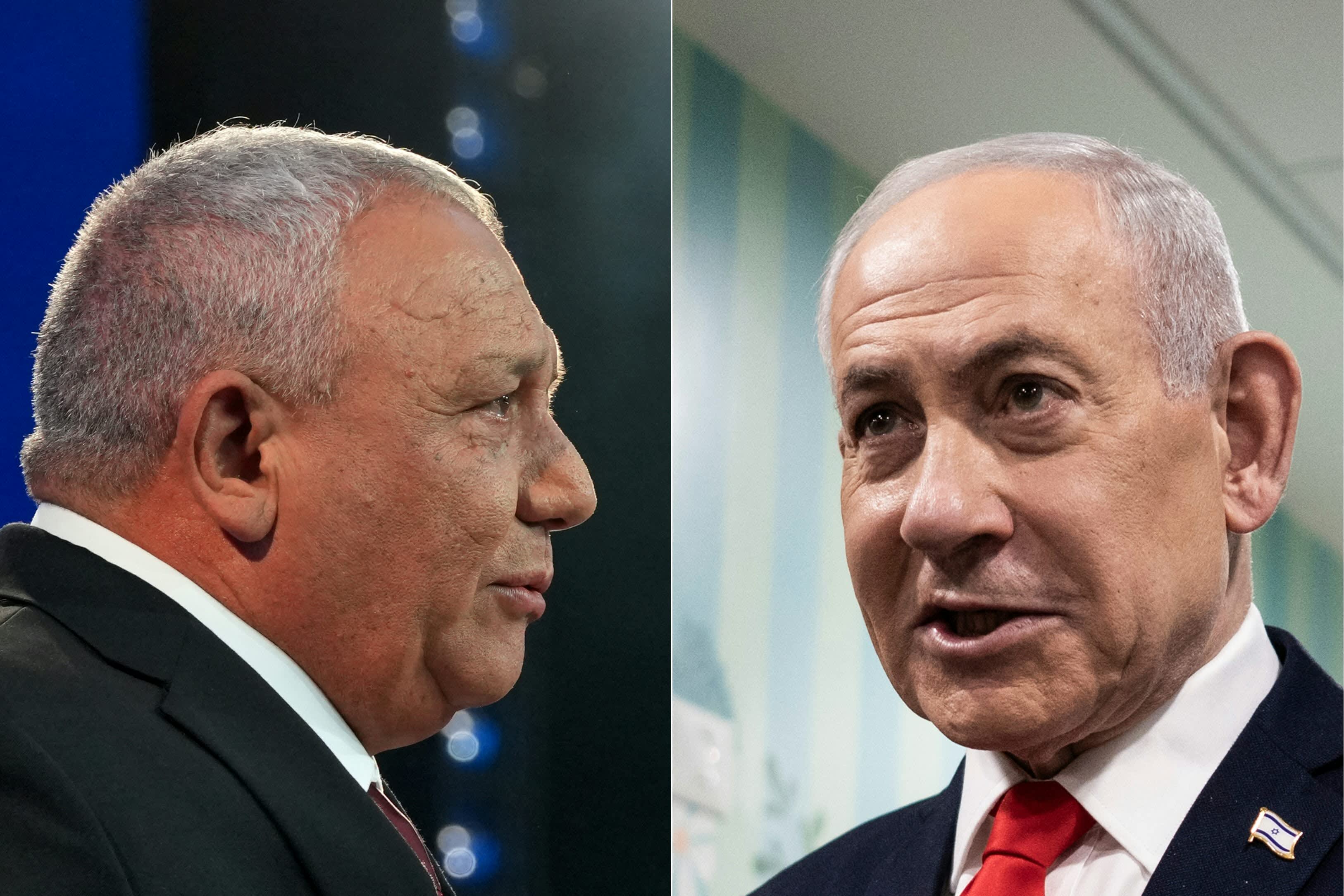
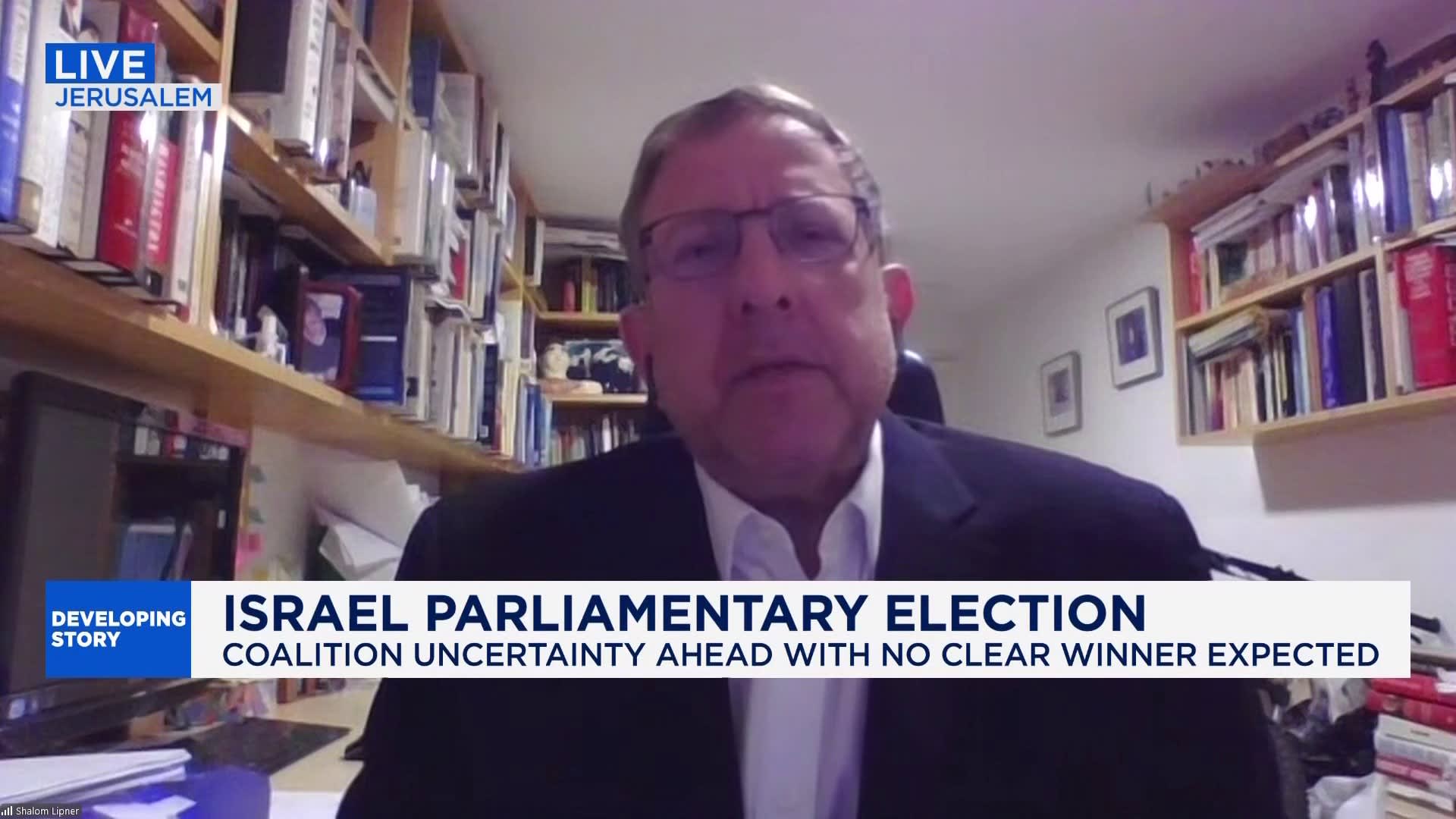
Israel’s latest election has produced the outcome markets and political analysts dread most: a result too fragmented to yield a governing majority without prolonged negotiation. The opposition now faces a steep climb to assemble a coalition, while Benjamin Netanyahu’s party has responded to the results by alleging the election was stolen – a claim that adds a layer of institutional tension to what was already a complicated post-vote landscape.
Coalition bargaining in Israel is rarely quick, and this cycle looks no different. The country is bracing for weeks of back-channel deal-making, ideological compromise, and political maneuvering before any government can take shape – a period of limbo that carries real economic and diplomatic consequences.
What a Fractured Result Means in Practice
Israel’s parliamentary system requires a governing coalition to command a majority in the Knesset, the country’s 120-seat legislature. When no single bloc wins decisively, the president tasks a party leader – typically the one most likely to build a majority – with forming a government. That process can stretch across weeks or even months of negotiation, during which the outgoing government continues in a caretaker capacity with limited authority to make major decisions.
That caretaker status is not without cost. A government unable to pass a budget, advance legislation, or project clear foreign policy positions creates uncertainty for businesses operating in or with Israel. Defense contractors, tech firms with Israeli partnerships, and international investors tracking the region all operate with less clarity when a government is effectively suspended between election and formation.
Netanyahu’s Fraud Claim Adds Political Friction
Netanyahu’s party characterizing the election as “stolen” introduces a dimension beyond ordinary coalition arithmetic. When a major political party disputes the legitimacy of a result rather than accepting it and moving into opposition or negotiation, it raises questions about how cooperative – or obstructionist – that bloc will be during coalition talks. History from other democracies shows that fraud allegations, even when unsubstantiated, can delay the practical business of forming governments and destabilize investor confidence in the short term.
The claim also complicates Netanyahu’s own political calculus. If his party contests the results while simultaneously angling for coalition inclusion – a common feature of Israeli politics where sworn rivals end up governing together – the internal contradiction becomes a bargaining chip for other parties. Potential partners may demand concessions in exchange for lending legitimacy to a disputed process, or may use the fraud narrative to extract policy commitments they would not otherwise secure.
For Eisenkot and the opposition, the fraud allegation is a different kind of problem. Building a majority coalition is difficult enough when everyone accepts the same electoral baseline. Doing it while one of the larger blocs is publicly undermining confidence in the count makes recruiting swing parties harder – those smaller factions tend to be risk-averse and may wait for the dust to settle before committing.
What emerges from the next several weeks depends significantly on whether Netanyahu’s party escalates or quietly drops its fraud claim. If the allegation persists through active legal challenges, it could delay coalition formation well beyond the typical timeline, pushing economic and security decisions further into uncertainty at a moment when the region is anything but stable.

The Business Cost of Political Stasis
Prolonged coalition negotiations are not merely a political inconvenience – they have measurable effects on an economy. Israel’s tech sector, which accounts for a substantial share of exports and foreign direct investment, is particularly sensitive to governance stability. Venture capital allocations, partnership agreements, and government procurement contracts all tend to slow when no clear administration is in place to authorize or prioritize spending.
Currency and bond markets also respond to political uncertainty, and Israeli assets have historically shown volatility during extended post-election periods. A country already navigating complex security dynamics in the region now adds weeks of domestic political paralysis to its risk profile – a combination that few institutional investors ignore.
Weeks of Haggling, With No Guaranteed Outcome
Even under the most optimistic scenario – where fraud claims are dropped, coalition talks proceed in good faith, and a majority emerges – the process will consume significant time and political capital. The opposition’s uphill battle to form a majority government means it will likely need to pull together ideologically diverse parties, each with their own demands on economic policy, military spending, judicial reform, and religious legislation.
Those competing demands rarely produce clean agreements. Compromises on budget priorities, ministerial portfolios, and coalition agreements tend to generate governments that are functional but internally contested – prone to collapse when any single issue forces a vote of confidence. Israel has cycled through multiple elections in recent years precisely because coalition governments broke apart under internal pressure, and there is no structural reason the next one would be immune to the same dynamic.
The question hanging over the next few weeks is not just who governs Israel, but whether the government that eventually forms will be stable enough to govern at all – or whether the country is already setting the clock on its next election.