


A Brief Reprieve Runs Out
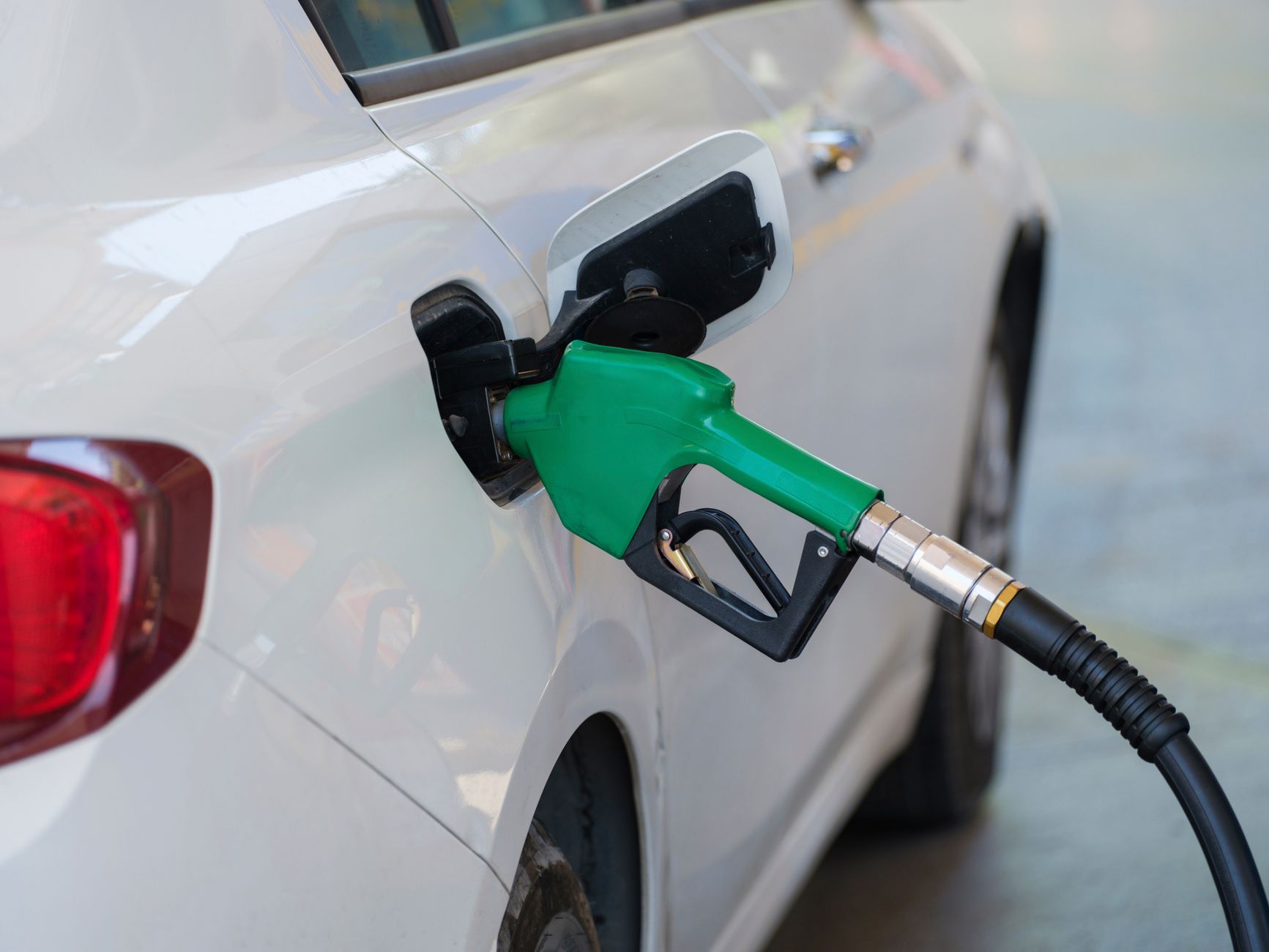
For several weeks, American drivers had been catching something rare at the pump – a sustained stretch of falling gas prices that pushed the national average to its lowest point since tensions with Iran first rattled oil markets. That streak ended abruptly this week when prices reversed course and jumped across all fifty states as crude oil climbed again.
The timing stings. Consumers who had started adjusting their budgets around cheaper fill-ups are now looking at higher numbers on the pump display, and the reversal came fast enough that there was little warning before the nationwide move took hold.
What Drove Prices Down – and Then Back Up
The weeks of declining prices traced directly to easing anxiety around the Iran conflict. When geopolitical friction around oil-producing regions flares, crude prices tend to absorb a risk premium almost immediately – traders price in the possibility of supply disruption before any disruption actually occurs. As that tension appeared to cool, that premium bled out of the market, pulling pump prices lower week after week.
But oil markets are not a one-way door. Crude prices climbed again this week, and because gasoline is refined from crude, the relationship between the two is tight and fast-moving. When oil moves, pump prices follow – usually within days, sometimes within hours in competitive metro markets where stations adjust more aggressively than in rural areas where a single station holds more pricing power.
The result is a national average that first touched its lowest level since the Iran conflict began, then turned around in the same reporting period. That kind of whipsaw – a low followed immediately by a notable jump – captures exactly why fuel costs are difficult to plan around, even when a positive trend appears to be taking hold.
What Drivers Are Paying State by State
Gas prices in the United States do not move as a single uniform number. The national average is a useful headline figure, but the actual price a driver pays depends heavily on where they live, and the spread between the cheapest and most expensive states runs well over a dollar per gallon in most weeks.
States with their own refinery capacity, lower state fuel taxes, or proximity to major pipeline infrastructure tend to sit at the lower end of the range. States that rely on imported fuel, carry higher excise taxes, or have adopted stricter fuel blend requirements – California being the most consistent example – tend to anchor the top of the range regardless of what the national trend is doing.
The Bigger Budget Picture
Gas prices matter to household finances in a way that is disproportionate to what Americans actually spend on fuel. Fuel costs are visible in a way that most other expenses are not – the price is posted on a sign you drive past, it changes while you watch it, and you pay it in a single transaction rather than spread across a monthly bill. That visibility makes gas prices a significant driver of consumer sentiment even when the dollar amounts involved are modest compared to housing, food, or insurance costs.
A jump in the national average following weeks of relief also arrives against a broader backdrop of financial uncertainty. Margin debt is rising and Federal Reserve policy remains unsettled, and any renewed inflationary pressure – even through something as specific as oil prices – feeds into the general anxiety consumers and investors are already managing. Gas at the pump is one of the few prices ordinary households track in real time.
There is also an asymmetry worth noting in how price changes register psychologically. The weeks of declining prices likely felt like relief, but they do not generate the same emotional response as a sharp single-week increase. A gradual decline across several weeks can be mentally averaged away, while a sudden jump in one week feels immediate and concrete. That asymmetry is part of why this week’s reversal carries more weight in how people talk about and feel the cost of driving, even if the net change over the past month is still a wash or slightly favorable.

The question now sitting under all of this is whether oil prices have found a new floor or whether this week’s climb is another short-lived move in a market still sorting out the geopolitical calculus around Iran. If crude stabilizes or softens again, pump prices should follow. If oil continues higher, the weeks of relief drivers just experienced will shrink further in the rearview mirror – and the state-by-state numbers that looked manageable a week ago will look different again by the next reporting cycle.