



Markets Jolt as Diplomatic Collapse Sends Oil Higher
U.S. stock index futures dropped sharply on Wednesday after President Donald Trump declared that a memorandum of understanding intended to end the conflict with Iran was finished. The announcement cut through early trading with immediate force, pushing Nasdaq futures to their lowest point in four weeks.
Oil prices climbed in response, reflecting the market’s rapid recalculation of Middle East supply risk the moment Trump’s statement landed. Equity investors moved in the opposite direction.

What the Futures Decline Actually Signals
Nasdaq futures sliding to a four-week low matters because the index had been recovering steadily from earlier 2025 volatility. A single geopolitical statement erasing weeks of rebuilding momentum shows just how fragile that recovery was sitting beneath the surface. Technology-heavy indexes tend to absorb geopolitical shocks harder than broader benchmarks, and Wednesday’s move fit that pattern.
The relationship between a collapsed Iran negotiation and oil is direct: Iran is a significant crude producer, and any memorandum of understanding with the United States carried the implicit possibility of sanctions relief and higher Iranian output eventually reaching global markets. With Trump saying that deal is over, that supply pathway closes again, and oil traders priced the tighter outlook in immediately.
Stock futures, meanwhile, respond to oil spikes with something closer to dread than relief. Higher energy costs feed into corporate margins across transportation, manufacturing, and consumer goods. When oil rises fast on geopolitical news rather than demand growth, the earnings math for a wide range of companies gets worse before it gets better.

The Nasdaq’s Vulnerability at This Moment
A four-week low for Nasdaq futures is not a crash, but the timing matters. Markets had been navigating an already complicated stretch through mid-2025, with investors balancing Federal Reserve rate expectations, corporate earnings revisions, and an ongoing recalibration of trade relationships. Wednesday’s Iran news added a variable that analysts cannot model cleanly, because diplomatic breakdowns don’t follow a predictable schedule or resolution timeline.
Geopolitical disruptions that drive oil prices tend to generate a particular kind of investor anxiety – not panic, but a widening of the uncertainty band around forecasts. That widening is what futures markets reflect in real time, often before the full implications of any event are understood.
Oil’s Climb and What Follows
The oil market’s response to Trump’s statement was almost mechanical. Reduced prospect of Iranian crude returning to global markets at higher volumes means the supply side stays constrained. That calculus plays out in minutes on futures exchanges, and Wednesday was no exception.
Energy stocks, which often benefit when crude rises, could see short-term gains even as the broader indexes fall. That divergence creates an uneven picture inside the market – some sectors lifting while others drag, making broad index moves a blunt instrument for understanding the actual damage or benefit landing on individual companies.
The memorandum of understanding that Trump declared over had represented a negotiating framework, not a finalized agreement. Its collapse removes even that preliminary structure from the board. Restarting any formal dialogue between Washington and Tehran typically requires months of back-channel work before anything surfaces publicly, meaning the situation is unlikely to resolve quickly enough to change near-term oil supply assumptions.
For equity markets, the session ahead on Wednesday will test whether the futures decline translates into sustained selling when U.S. exchanges open, or whether buyers step in on the assumption that diplomatic situations can shift again just as abruptly as they collapsed. Trump’s statement was unambiguous enough that fading the move carries real risk.
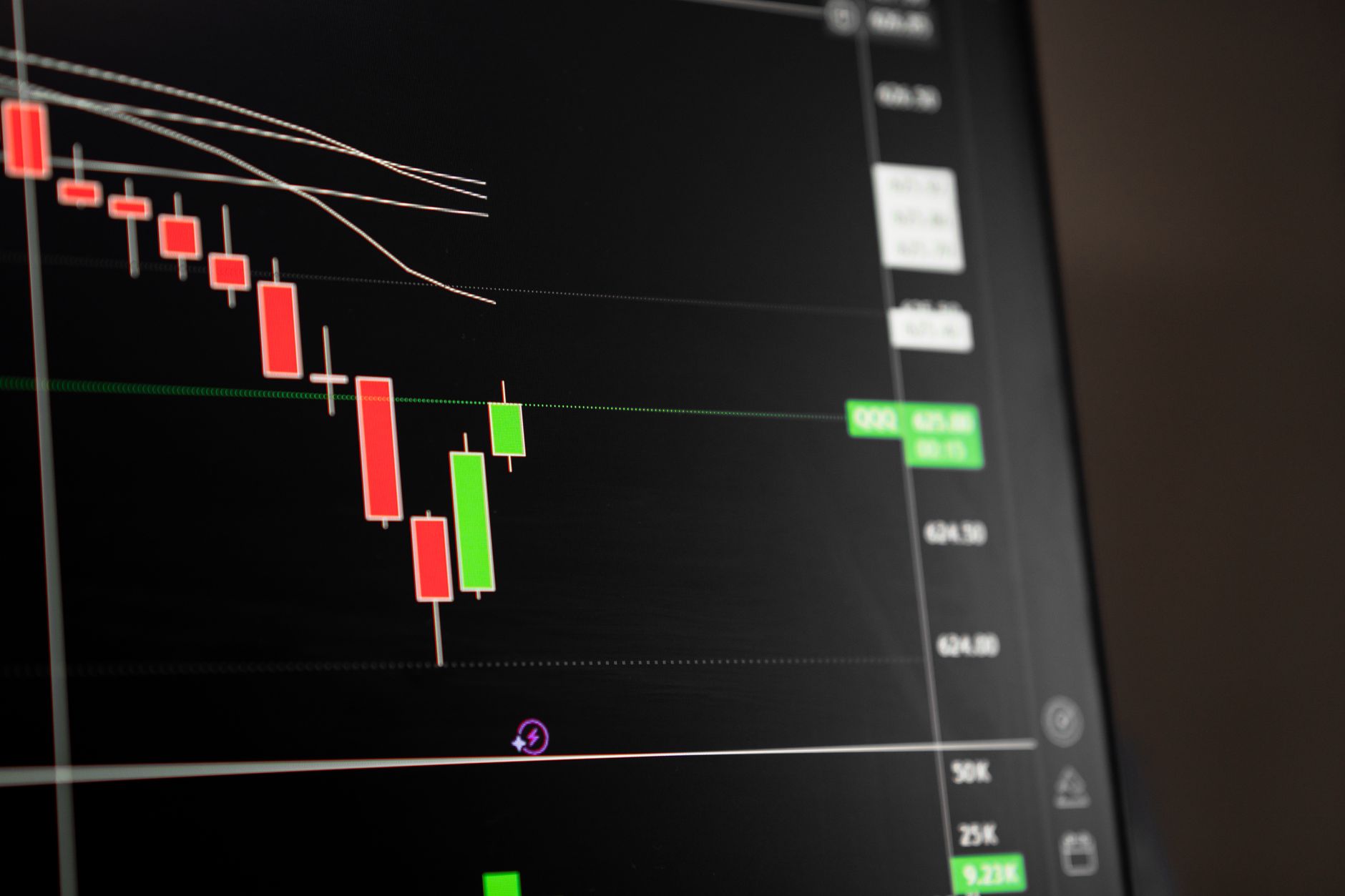
Nasdaq futures at a four-week low going into the open, oil climbing on the same headline, and no diplomatic framework left standing – that is the setup traders are working with Wednesday morning.