



J.P. Morgan strategists have revised their year-end S&P 500 price target upward to 7,800, acknowledging they had been too conservative in their earlier assumptions about earnings growth – while stopping short of an all-clear signal for markets.
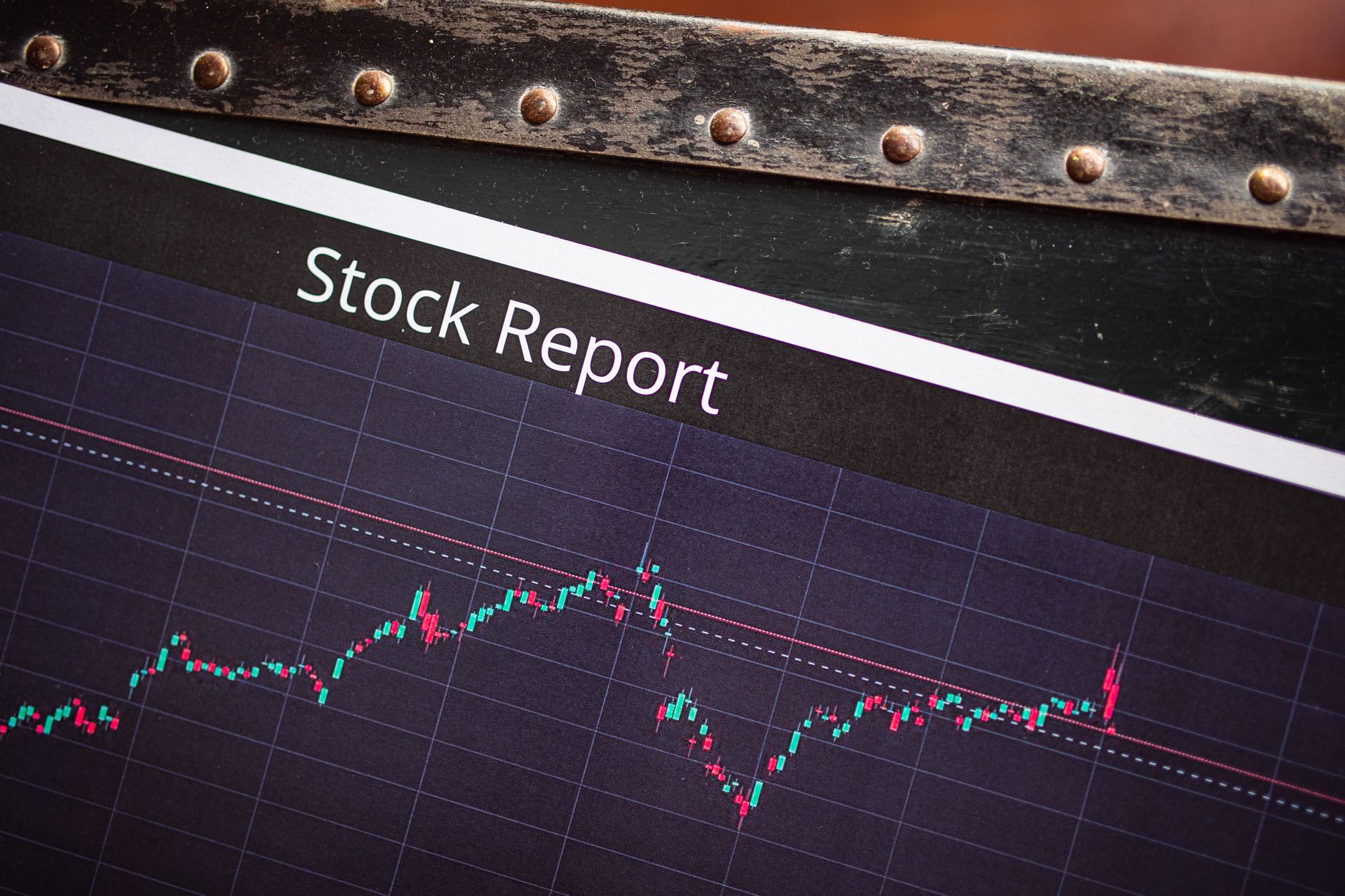
A Forecast Correction Rooted in Earnings Expectations
The revision marks a significant step back from the bank’s prior cautious positioning. Strategists at J.P. Morgan attributed the change directly to their own miscalculation around earnings growth expectations, which they described as “unprecedented.” The admission is notable coming from one of Wall Street’s most closely followed research desks, where year-end targets carry weight with institutional and retail investors alike.
Earnings growth has been the central variable that shifted the calculus. When corporate profits expand faster than models anticipate, price-to-earnings multiples can appear more reasonable than they did at higher index levels, giving strategists cover to move their targets higher without arguing that valuations have become stretched. That appears to be the logic threading through J.P. Morgan’s updated outlook.
The 7,800 target implies additional upside from current S&P 500 levels, depending on where the index trades when investors are reading this forecast. For context, a target of that magnitude would represent a continued march higher from the gains already recorded this year – gains that have surprised many forecasters who entered 2025 bracing for volatility tied to interest rates, geopolitical friction, and slowing consumer spending.
What makes the revision interesting is the timing. Updating a target upward mid-year, while simultaneously warning of downside risks, reflects the difficulty strategists face when underlying data keeps outrunning their models. Rather than waiting until late in the year to reconcile the gap, J.P. Morgan moved early – and paired the upgrade with a visible caution flag.
The Flash Crash Warning Sitting Alongside the Upgrade
Even as J.P. Morgan lifted its target, the bank’s strategists were careful to flag that a flash crash remains a live risk. That pairing – a higher target and a crash warning in the same breath – captures the underlying tension in equity markets right now. Bullish fundamentals and fragile market structure are not mutually exclusive, and J.P. Morgan is essentially saying both conditions exist at the same time.
Flash crashes are distinct from bear markets or gradual selloffs. They are sudden, steep, and often technically driven – triggered by algorithmic selling, liquidity gaps, or cascading stop-loss orders rather than a change in corporate fundamentals. The S&P 500 has experienced several of these episodes over the past decade, and each time, the speed of the drop – and the subsequent recovery – made them difficult to act on in real time. Investors who sold into the panic often locked in losses that the market erased within hours or days.
The warning matters because elevated index targets can create a false sense of stability. If investors read “7,800” and conclude that the path there is smooth, they may be underpricing the kind of short, sharp dislocations that J.P. Morgan is flagging. The bank is not predicting a crash – it is saying the conditions for one remain present even as the longer-term earnings picture looks stronger than previously modeled.
This kind of dual messaging – upgrade the target, maintain the risk warning – is increasingly common on Wall Street as strategists navigate a market where good macro data and structural fragility coexist. Goldman Sachs recently ran nine separate bubble indicators and found most still look manageable, a similarly hedged read on an equity market that keeps defying pessimistic predictions without fully resolving the concerns behind them.
What J.P. Morgan’s flash crash caveat signals to portfolio managers is less about probability and more about preparation. Liquidity conditions, position sizing, and the behavior of volatility instruments all matter more in a market that can gap lower sharply before recovering. The warning is a structural observation, not a forecast of doom – but it sits uncomfortably next to a number like 7,800.
What the Revision Says About Forecast Accuracy on Wall Street

The candor embedded in J.P. Morgan’s revision is worth noting. Describing their prior stance as “much too cautious” is a direct acknowledgment that their earnings growth assumptions were wrong – not directionally, but in magnitude. Earnings grew faster than the model expected, and the forecast had to follow. That kind of explicit self-correction is less common than it should be in institutional research, where revisions often arrive wrapped in language designed to make the change seem like a natural evolution rather than a missed call.
The revision also raises a harder question for investors watching the target move: if J.P. Morgan was too cautious before, what is the probability that 7,800 is now too conservative – or, alternatively, that the “unprecedented” earnings growth pace they are now factoring in has already peaked? Flash crashes aside, the more mundane risk is that earnings growth simply slows from here, and a target built on exceptional profit expansion starts to look ambitious just as the underlying driver fades.