
A Security Breakdown at One of America’s Most Strategic Military Sites
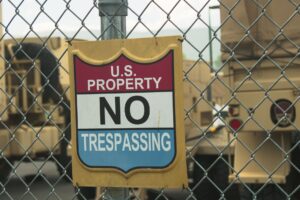
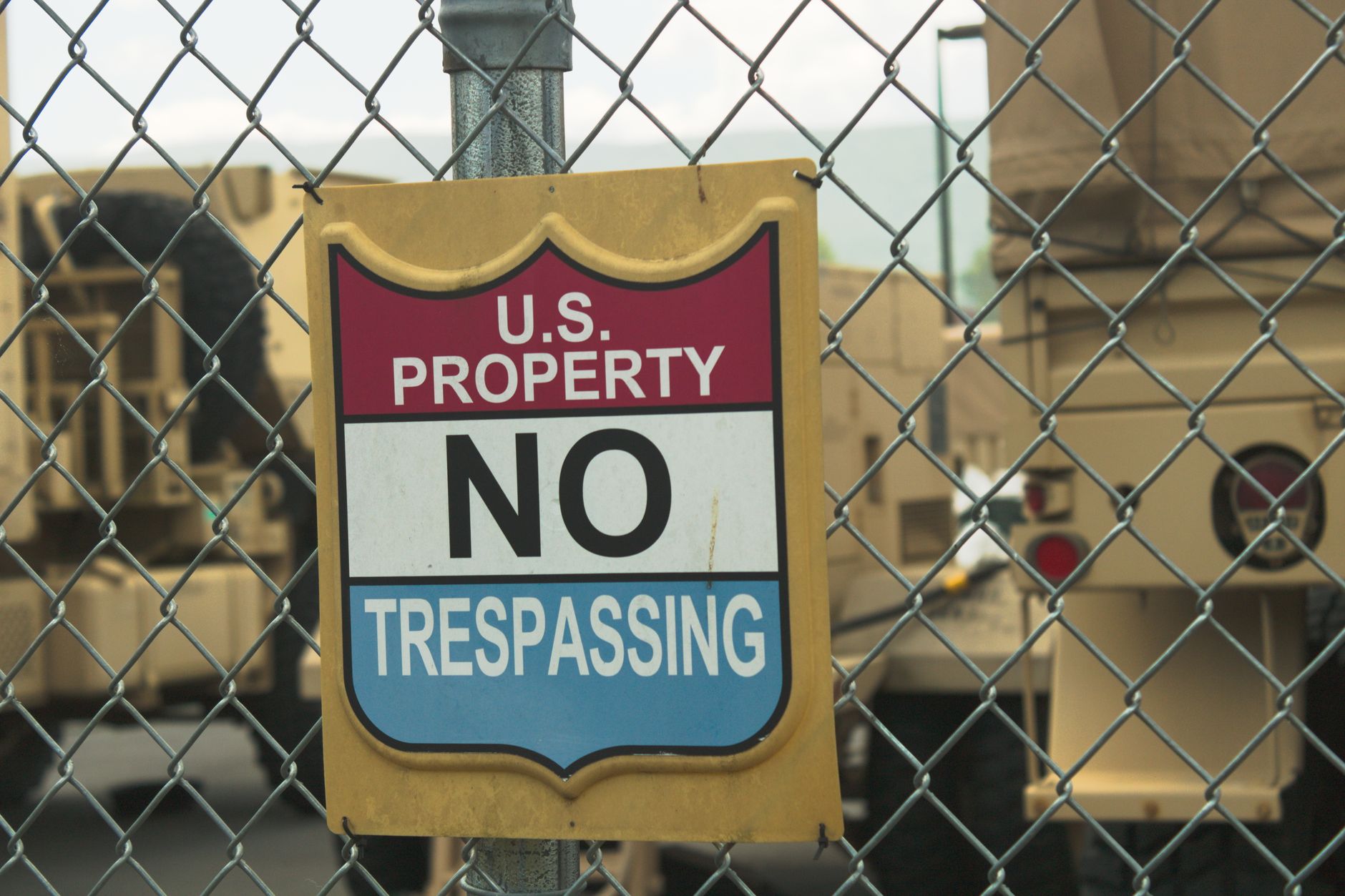
Five news reporters and two military personnel were briefly detained at gunpoint at Vandenberg Space Force Base in California – despite being there by official invitation. Security officers at the base stopped the group after mistaking them for unauthorized intruders attempting to enter without clearance.
The incident, reported by local media, raises immediate questions about how coordination fails between a base’s event planning apparatus and its security units – particularly at a facility that sits at the center of U.S. military space operations and houses some of the country’s most sensitive launch infrastructure.
What Happened Inside the Gate
The detained group included five journalists who had been invited to cover an event at the base, accompanied by two members of the military. That detail matters: these were not civilians who wandered past a checkpoint or attempted to bluff their way through. Military personnel were physically present with the group when security officers stopped them and drew weapons.
The detention was brief, and local media accounts describe it as a case of security forces acting on information that did not match what was actually happening on the ground. Someone in the chain either did not communicate the event’s guest list to the officers on duty, or that information failed to reach the right post at the right time.
The Gap Between Invitation and Clearance
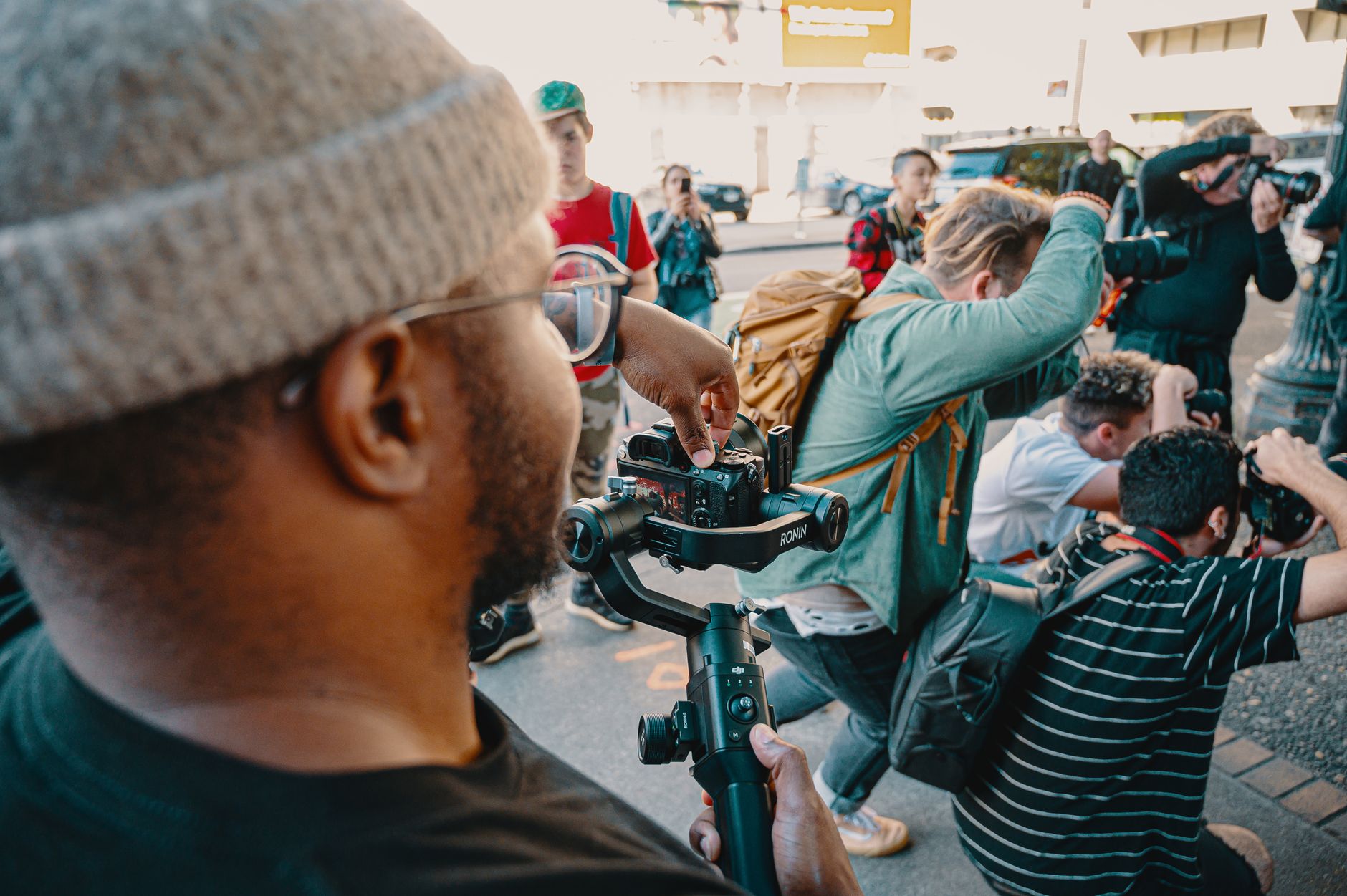
Military bases routinely host press events. Vandenberg, in particular, has a long history of inviting media to observe rocket launches – the base has been a launch site for decades and sits along the California coast north of Santa Barbara. Press access, when granted, requires coordination between public affairs offices and security commands. When that coordination breaks down, the consequences fall on whoever shows up at the gate holding a press credential and a camera.
The fact that armed officers detained the group suggests the breakdown was significant enough that security personnel had no record of the visit – or were following protocols that override verbal claims of invitation until identity and access can be independently confirmed. Both scenarios point to a procedural gap that the base’s public affairs and security teams will need to account for.
For the journalists involved, the experience sits inside a broader pattern of press access complications at military installations across the country. Bases operate under strict access controls for sound reasons, but those controls depend on internal communication holding together. When it doesn’t, the people bearing the cost are often the ones who were supposed to be welcomed in.
There is also a practical dimension to how these access failures ripple outward. When media coverage of military events gets disrupted – even briefly, even through a misunderstanding – it affects the public affairs objective that prompted the invitation in the first place. A base that invites press to build institutional visibility and transparency ends up generating a different kind of story entirely.
Vandenberg’s Role and Why Access Matters
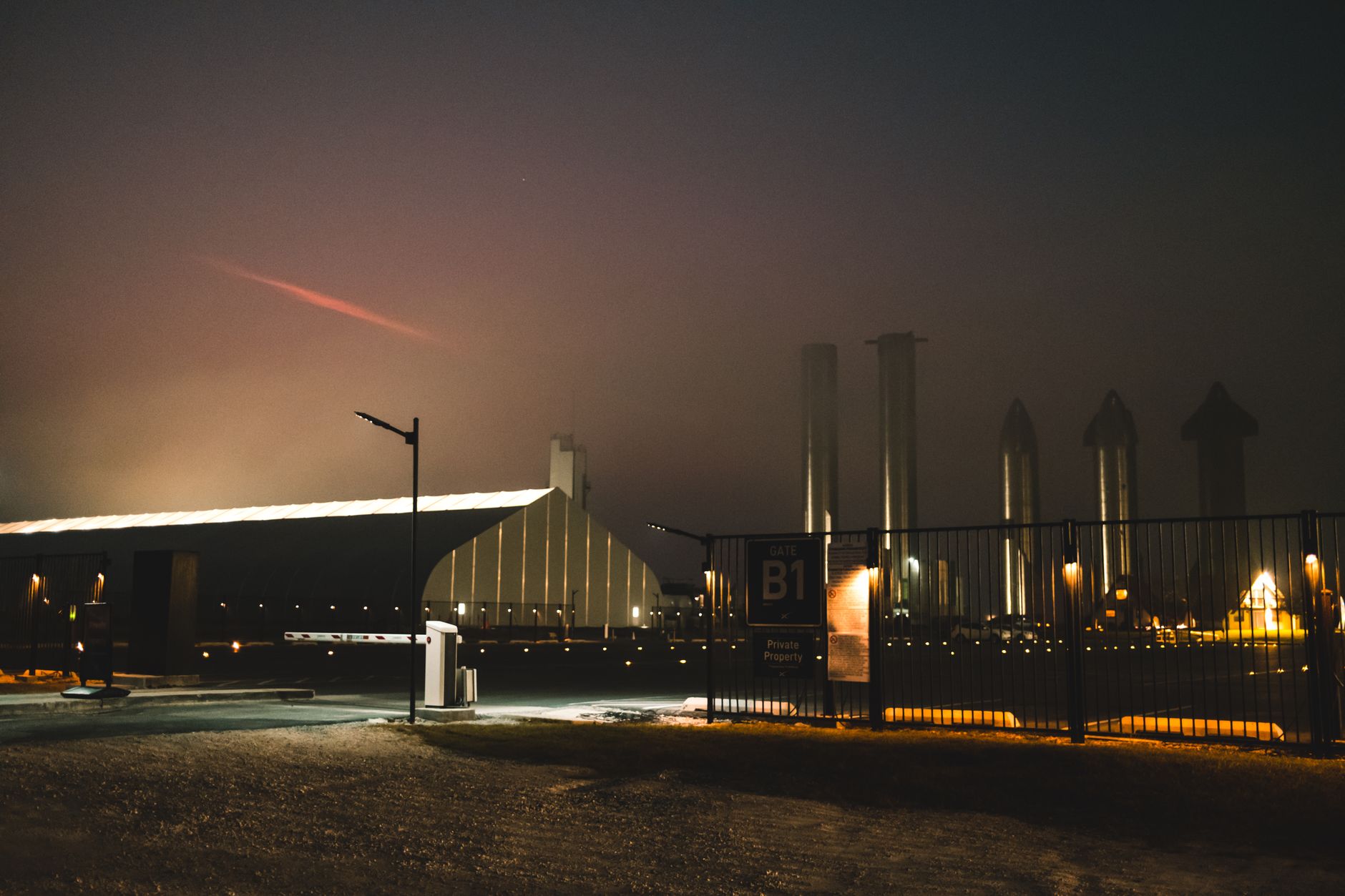
Vandenberg Space Force Base is not a peripheral facility. It hosts launches for both military and commercial payloads, and the Space Force’s presence there reflects the growing institutional weight that space operations carry within the U.S. defense structure. Media access to that work, when granted, serves a specific function: it connects the public to a domain of military activity that is otherwise largely invisible.
That function broke down here, not because access was denied but because the systems that were supposed to enable it failed to communicate with the systems responsible for enforcing it.
What Comes Next
Neither the Space Force nor Vandenberg officials had issued a detailed public statement at the time local media reported the incident. What typically follows an event like this is an internal review of how guest and press lists are communicated to security posts – and whether the protocols in place are sufficient for events that bring outside visitors onto an active military installation.
For the two military members who were detained alongside the journalists, the situation carries its own peculiar dimension. They were presumably there in an official or facilitative capacity, yet were treated – at least temporarily – as unauthorized intruders on the base where they serve or work. That detail alone suggests the information failure was close to total.
Whether the Space Force addresses the incident publicly, or handles it as a routine internal matter, the five reporters who left an invitation-only event with a detention story instead of the one they came to file will not soon forget the gap between what their paperwork said and what the security officer at the gate believed.