


Apple’s board has selected hardware chief Jon Ternus to replace Tim Cook as CEO, with the transition set for September 2026.

Hardware Veteran Takes Command
Ternus brings two decades of Apple experience to the top job, having overseen the development of every major product launch since the original iPad. His engineering background represents a shift from Cook’s operations-focused leadership style that guided the company for 15 years.
The 48-year-old executive joined Apple in 2001 as a mechanical engineer and rose through the ranks during the company’s most innovative period. He played key roles in developing the MacBook Air’s ultra-thin design, the iPhone’s camera systems, and the Apple Watch’s health sensors.
Wall Street analysts view the appointment favorably, noting Ternus’s deep understanding of Apple’s product development process. His tenure overseeing hardware coincided with the company’s expansion into new categories including wearables, which now generate over $40 billion in annual revenue.
The succession plan has been in development for three years, according to sources familiar with the matter. Cook, now 65, will remain as executive chairman through 2027 to ensure a smooth handover of relationships with key suppliers and partners.
Challenges Mount for New Leadership
Ternus inherits a company facing its most complex competitive landscape in years. Apple’s iPhone revenue declined 3% in the most recent quarter, marking the fourth consecutive period of year-over-year drops in the company’s most important product category.
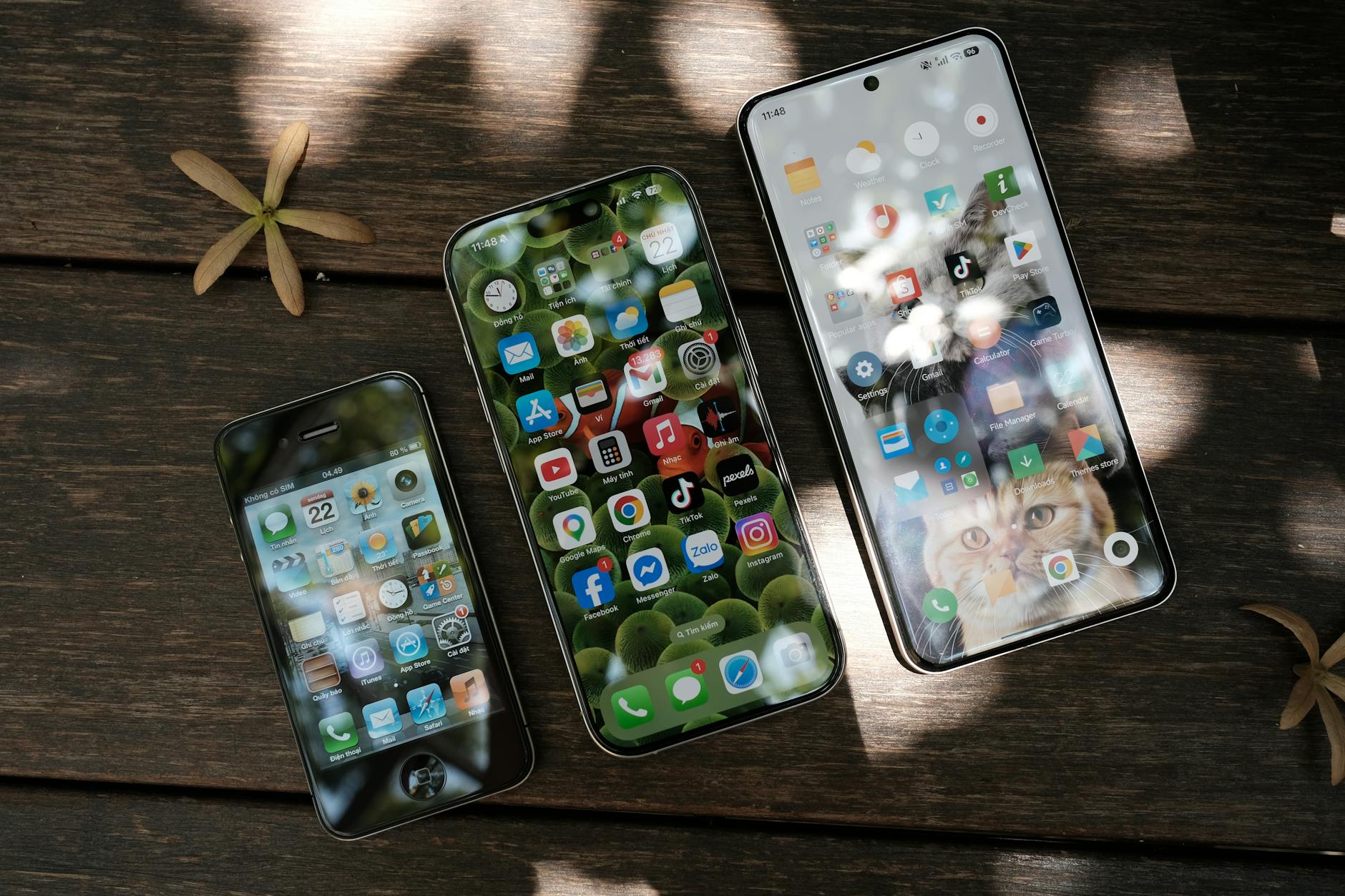
Chinese competitors including Huawei and Xiaomi have gained significant market share in Asia-Pacific regions, offering flagship devices with comparable features at substantially lower prices. Apple’s premium pricing strategy, which drove margins above 40% for consumer products, faces pressure as economic conditions tighten globally.
The artificial intelligence race presents both opportunity and risk for the incoming CEO. While Apple has integrated machine learning capabilities across its product line for years, the company has been notably absent from the generative AI boom that has driven competitor valuations higher. Google and Microsoft have made significant investments in large language models and AI-powered services that directly compete with Apple’s ecosystem.
Regulatory scrutiny continues to intensify across multiple jurisdictions. The European Union’s Digital Markets Act requires Apple to allow third-party app stores on iOS devices, potentially undermining the App Store’s $80+ billion annual revenue stream. Similar legislation is under consideration in the United States, Japan, and South Korea.
Services growth, which has been Apple’s most reliable revenue driver over the past five years, showed signs of slowing in recent quarters. The division’s 8% growth rate in Q1 2026 represented the slowest expansion since 2019, raising questions about the sustainability of the company’s transition toward recurring revenue models.
Product Pipeline Holds Promise
Industry sources suggest Ternus will oversee the launch of Apple’s most ambitious hardware initiative since the iPhone. The company’s augmented reality headset, reportedly scheduled for late 2026, could create an entirely new product category worth tens of billions in annual revenue.
Apple’s automotive project remains in development after years of starts and stops. The company has reportedly shifted focus from building complete vehicles to developing autonomous driving software that could be licensed to traditional automakers. This approach would leverage Apple’s software expertise while avoiding the capital-intensive manufacturing requirements of the automotive industry.
Will Ternus prove capable of navigating these crosscurrents while maintaining the innovation tempo that has defined Apple’s success for the past quarter-century?