



A Parasitic Outbreak Tied to Lettuce Keeps Growing
A foodborne illness outbreak connected to lettuce has now reached 20 states, with federal health and food safety agencies confirming cases in three additional states as of Thursday. The Food and Drug Administration’s latest announcement puts the total case count above 11,400 people – a number that makes this one of the more substantial parasitic illness events tied to a single produce source in recent memory.
The illness at the center of the outbreak is cyclospora, a microscopic intestinal parasite that causes diarrhea, cramping, and prolonged fatigue. Unlike bacterial contamination, which can sometimes be traced and resolved quickly, cyclospora infections are harder to detect in the early stages – meaning case counts in outbreaks like this one tend to climb for weeks before stabilizing.

What the Federal Response Looks Like So Far
The Food and Drug Administration and the Centers for Disease Control and Prevention are both involved in tracking and responding to the outbreak. The FDA’s Thursday update naming three additional states signals that investigators are still in an active phase – working backward through supply chains to identify where and how the lettuce became contaminated. These investigations are rarely fast. Produce moves quickly from farm to distributor to retailer, and by the time a cluster of illness is identified, the contaminated product has often already been sold and consumed.
With 20 states now reporting cases and more than 11,400 people confirmed sick, the geographic spread points to a distribution network with wide reach. Cyclospora is typically associated with fresh produce imported from Mexico or other Latin American countries, where the parasite exists in water sources used for irrigation. That connection to imported lettuce, if confirmed through the ongoing investigation, would put pressure on FDA oversight of cross-border produce safety – a perennial regulatory challenge that has flared repeatedly over the past decade.
The agency has not yet issued a formal recall or named a specific supplier in the available reporting, which means consumers in affected states are still largely left to monitor updates and exercise caution with fresh lettuce products. That gap – between the scale of an outbreak and the speed of actionable guidance – is a consistent source of frustration in foodborne illness events.
The Economic Weight of a Produce Outbreak
Outbreaks like this one carry real economic costs that extend well beyond hospital bills. Lettuce growers, distributors, and retailers all face demand drop-offs when consumers pull back – and that pullback often hits producers who had nothing to do with the contamination. A 2018 E. coli outbreak tied to romaine lettuce effectively wiped out an entire harvest season for some Arizona growers, even those whose products tested clean.
Sick workers also translate into lost productivity. Cyclospora illness typically lasts weeks if untreated, with symptoms that include persistent fatigue even after the acute phase passes. For hourly workers without paid sick leave – the population most likely to push through illness rather than stay home – that creates a second layer of economic damage that doesn’t show up in any outbreak case count.
Consumer Behavior and the Produce Industry’s Ongoing Vulnerability
The lettuce market has faced recurring contamination scares over the past several years, covering everything from E. coli in romaine to listeria in various packaged salad products. Each outbreak erodes consumer confidence in ways that take longer to rebuild than the outbreak itself takes to resolve. Grocery scanner data from past incidents shows that lettuce sales can drop 20 to 40 percent in the weeks following a major news cycle, with recovery taking months.
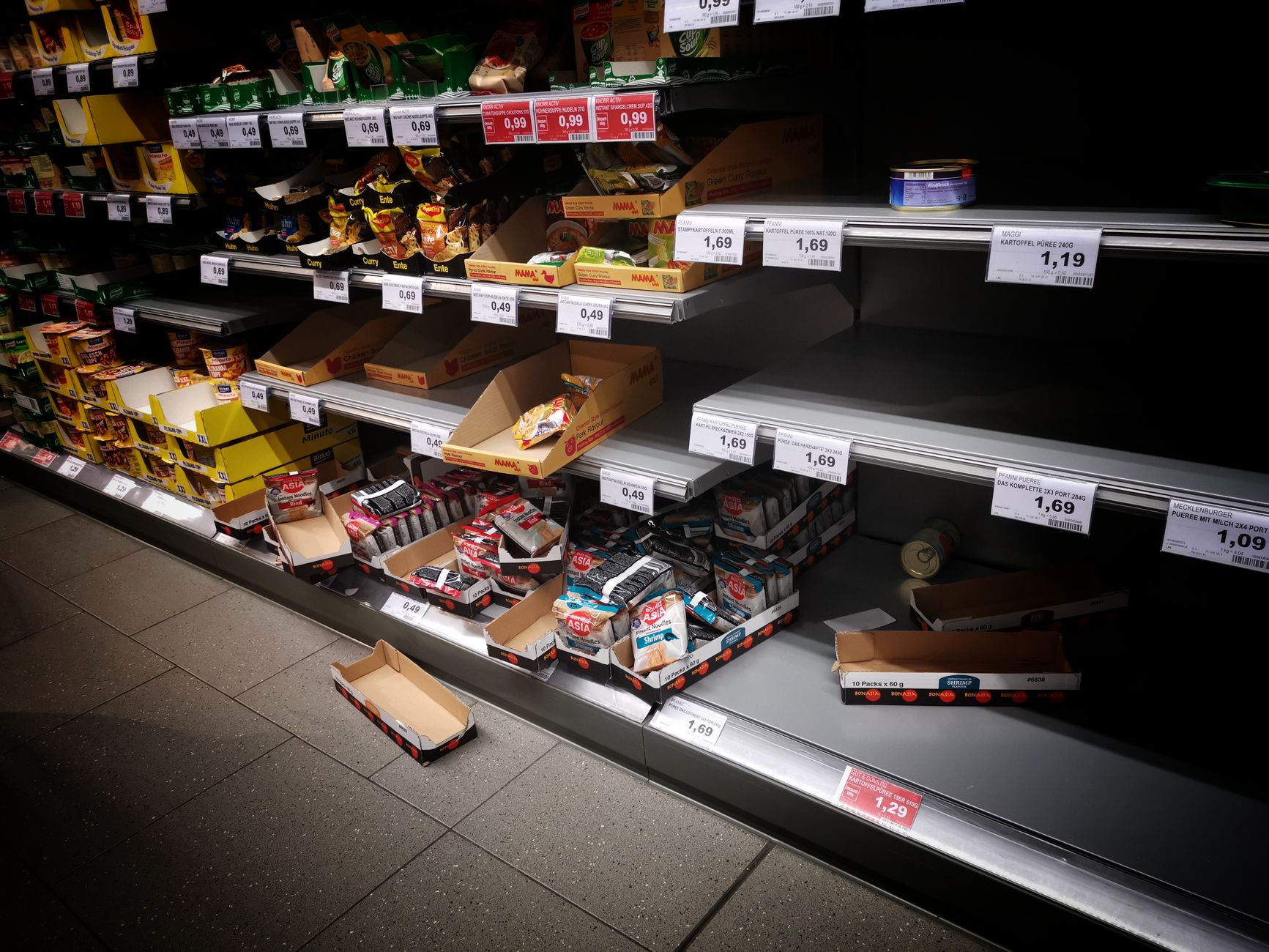
The current cyclospora outbreak’s reach across 20 states means local news coverage is activating in markets from coast to coast simultaneously. That kind of distributed media footprint tends to deepen the consumer response compared to a regional event. Shoppers in states with zero confirmed cases are still seeing the headlines, and many will make the same decision – skip the lettuce this week.
For the FDA, the political pressure is also mounting. The agency has faced repeated criticism for the pace of its produce safety rules under the Food Safety Modernization Act, which was signed into law in 2011 but has taken years to implement fully. The section covering produce safety, known as the Produce Safety Rule, establishes standards for agricultural water – the most common vector for cyclospora contamination – but compliance timelines have been extended multiple times under both Democratic and Republican administrations.
More than 11,400 people sick across 20 states, and federal investigators are still working to identify the specific source. For the lettuce industry, the longer that uncertainty holds, the harder it becomes to draw a clean line between safe product and contaminated product – and the longer consumers have reason to walk past the salad aisle entirely.
The FDA has not announced a specific supplier or issued a recall as of Thursday’s update, leaving the investigation open and the public guidance thin.