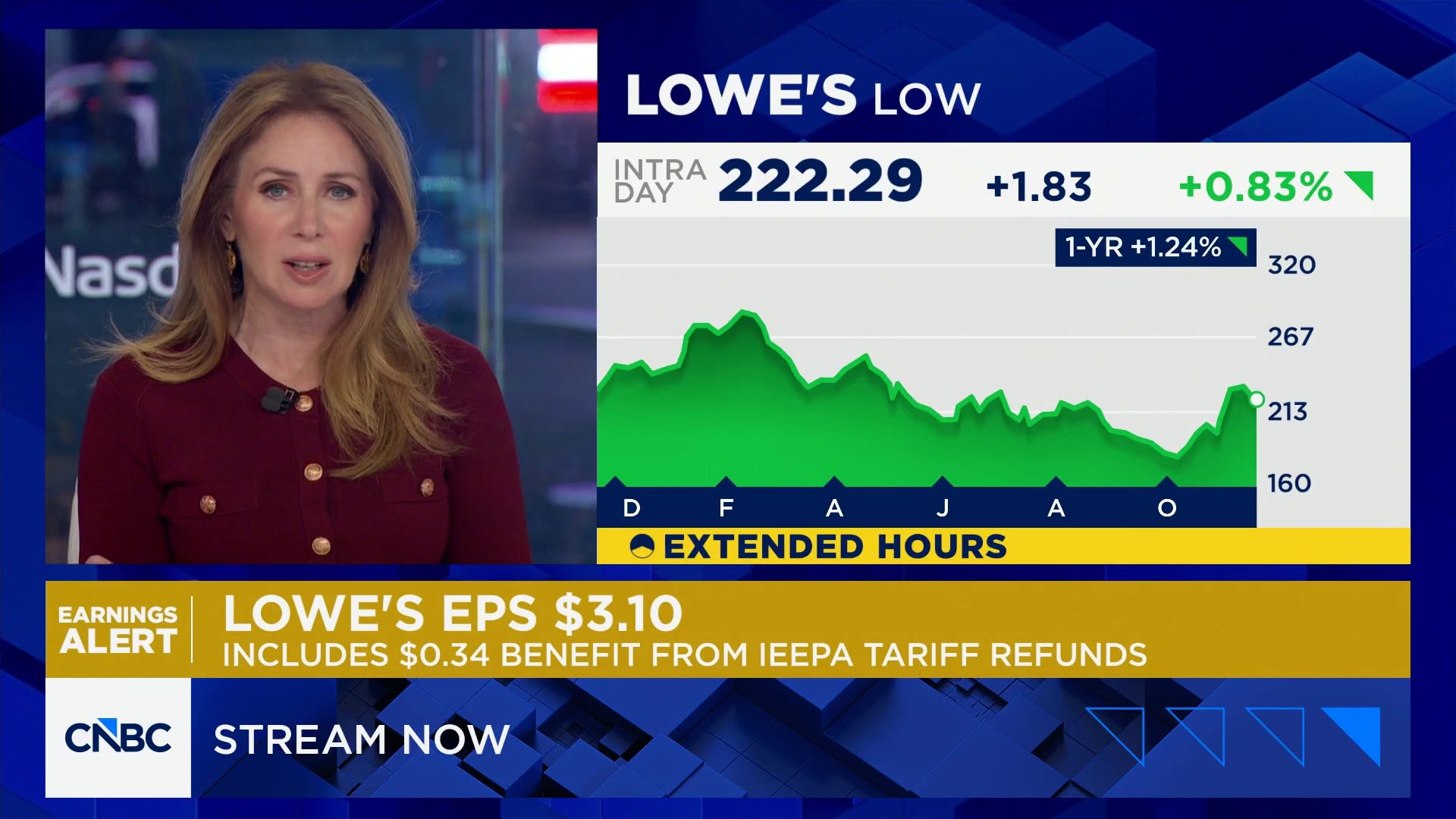



Lowe’s is telling investors the rest of the year looks better than it previously did, and it is pointing to its online business as a reason.
A Raise Built on the Website
In its latest quarterly report, Lowe’s said online sales were strong during the period, and that strength contributed to a decision to raise its guidance for the full year. Guidance is a company’s own public forecast of how it expects to perform. When a retailer lifts it, the message goes beyond the quarter just finished: management believes the months ahead will be better than it had told the market to expect.
The backdrop is what makes the announcement stand out. The housing market remains slow, and for a home improvement chain that is normally a headwind rather than a footnote. Lowe’s raised its outlook anyway.
Online was the bright spot. Housing was not.
That split suggests the company’s results are being driven by how customers buy rather than by how many homes change hands. A retailer whose digital channel is growing while the housing market stalls has at least one lever that does not depend on mortgage rates or home listings. Whether that lever is large enough to keep pulling the full-year numbers higher is the question the new guidance implicitly answers.
Why a Slow Housing Market Usually Hurts a Chain Like Lowe’s
Home improvement demand has two layers. The first is routine: replacing a water heater, patching a roof, buying paint, fixing a fence. Those purchases happen whether or not the housing market is moving, because houses wear out on their own schedule.
The second layer is tied to transactions. People who buy a home often renovate it soon after, and people preparing to sell often spruce up kitchens, floors and landscaping. When fewer homes change hands, that second layer thins out, and the larger discretionary projects, the ones with big receipts attached, are the first to be postponed. A slow housing market therefore tends to show up in a retailer like Lowe’s through fewer big-ticket orders and more cautious shoppers, even if the basics keep selling.
That is why strong online sales deserve attention here. An online order can capture demand that never produces a store visit: a homeowner ordering a replacement part, a contractor restocking supplies, a customer buying an appliance after comparing prices on a phone. The source material does not break down which categories drove the online gains, so it would be a mistake to assume the strength came from any one kind of shopper. What it does establish is that the digital channel contributed enough to move the company’s full-year forecast.
There is also a cost side that a headline about sales cannot answer. Online orders can be more expensive to fulfill than a sale at a store register, particularly when they involve delivery of bulky items such as lumber, flooring or large appliances. A guidance raise tells investors that management expects better results, but the quality of those results depends on how much of the extra online revenue turns into profit. That detail sits in the company’s financial tables, not in the headline.
Still, a company that raises guidance is putting its credibility behind the forecast. Management teams generally avoid lifting outlooks they are not fairly sure they can meet, because a later cut is more damaging than a cautious number that gets beaten. The raise therefore carries information the quarterly sales figure alone would not: Lowe’s expects the online momentum, and whatever else is going right, to persist into the closing months of the year.

What the Raise Leaves Unsettled
The housing market has not changed because Lowe’s had a good quarter online. If sales of existing homes stay slow, the transaction-driven side of the business remains under pressure, and a retailer leaning on digital growth has to keep that growth going to hold its forecast. Online strength can cushion a soft stretch for housing, but it cannot replace the stream of renovation projects that a livelier market would generate.
For shoppers and investors, the practical test is what comes next. Does the online momentum hold through the holidays and into the new year, and does it grow when housing finally loosens, or does it fade as soon as the quarter’s momentum does? Lowe’s has put a bet on the former in its updated outlook.