


A Long-Closed Door Opens
Starting July 1, Medicare will cover obesity drugs for the first time in the program’s history, a policy shift that stands to reshape both the pharmaceutical market and the financial reality for millions of American seniors who previously paid entirely out of pocket for GLP-1 medications. The change comes after years of lobbying, legislative pressure, and ballooning public interest in drugs like Ozempic and Wegovy – treatments that have dominated healthcare and business headlines alike.
For Novo Nordisk and Eli Lilly, the two companies whose GLP-1 products dominate the obesity drug market, this is a market-expansion event with few modern equivalents in pharma. Medicare’s beneficiary pool runs into the tens of millions, and even modest uptake rates among eligible seniors would translate into substantial new prescription volume for both companies.

What the Coverage Actually Means
Before this change, Medicare’s rules were explicit: the program did not cover drugs prescribed solely for weight loss. Seniors who wanted access to GLP-1 medications for obesity – rather than for type 2 diabetes, which Medicare did cover – were left to absorb the full cost themselves. Monthly list prices for drugs like Wegovy have run above $1,300, putting them well outside reach for most retirees on fixed incomes.
The new coverage applies through Medicare Part D, the prescription drug benefit. That means patients will access these drugs through their Part D plans, with costs subject to their specific plan’s formulary, deductibles, and cost-sharing structures. Not every plan will cover every drug immediately, and seniors will need to verify with their individual plans what is covered and at what cost tier.
There is also a clinical threshold involved. Coverage is not open-ended – patients must meet defined criteria, including a body mass index above a certain level or a weight-related health condition, to qualify. This mirrors how private insurers have approached coverage for these drugs, attempting to balance access with cost management. Medicare, as the largest single payer in the U.S., faces particular pressure to manage spending on medications that can run into the thousands of dollars per patient annually.
For patients who do qualify and whose plans include these drugs on their formularies, the financial difference could be dramatic. A senior previously spending $1,300 or more per month on Wegovy, or forgoing treatment entirely due to cost, could see their out-of-pocket exposure fall sharply depending on their plan’s cost-sharing design. Under Medicare’s redesigned Part D structure – which took effect in 2025 and capped annual out-of-pocket drug costs at $2,000 – the calculus for high-cost medications has already shifted for many enrollees.
The Business Math for Novo Nordisk and Eli Lilly
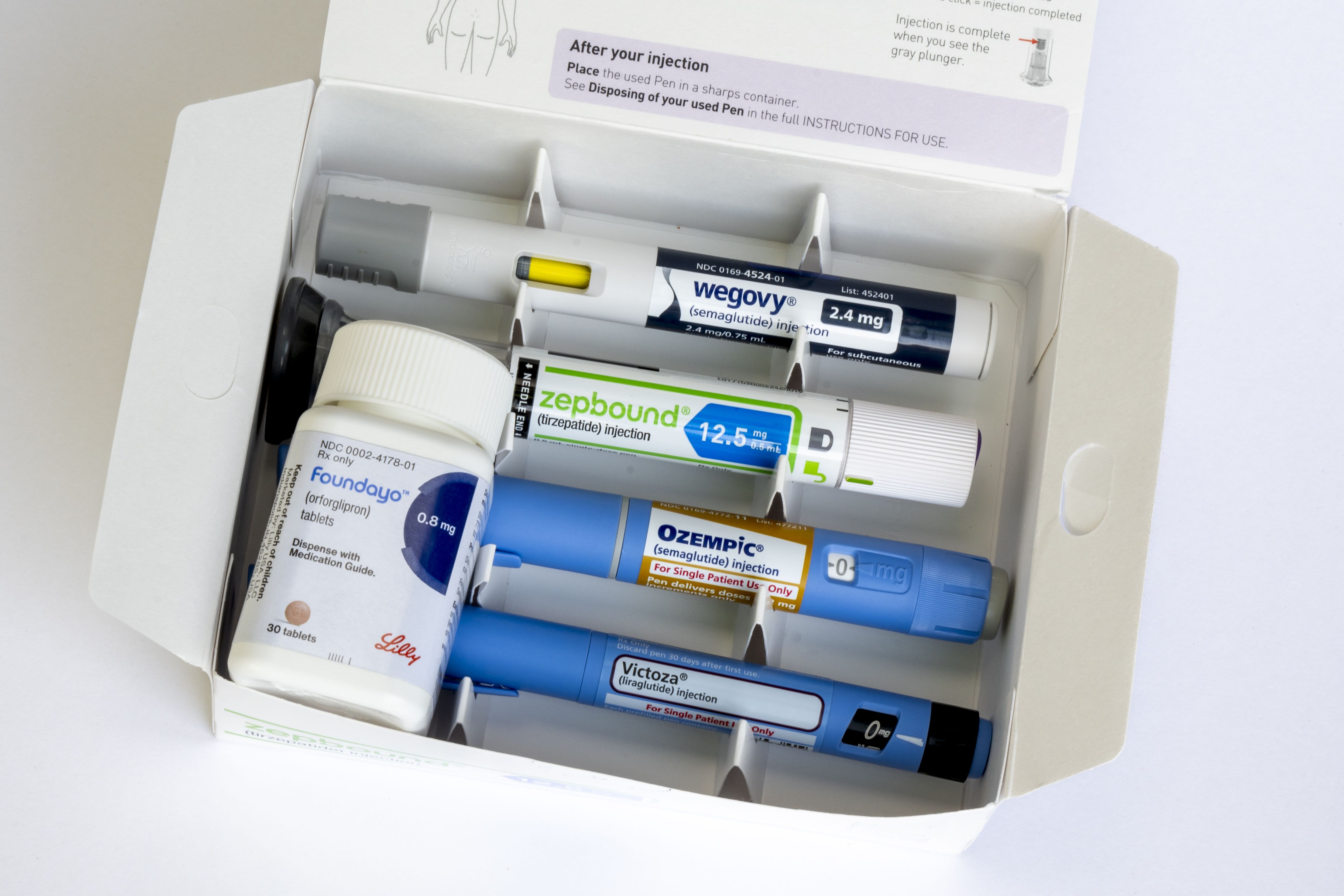
The commercial implications for both companies are significant, though the full revenue effect will take time to surface in earnings. Novo Nordisk makes Wegovy, the semaglutide injection approved specifically for obesity, as well as Ozempic, which carries a diabetes indication and has been widely used off-label for weight loss. Eli Lilly’s tirzepatide, sold as Zepbound for obesity and Mounjaro for diabetes, competes directly in the same space.
Both companies have spent heavily to expand manufacturing capacity after demand repeatedly outpaced supply in 2023 and 2024. Medicare coverage for obesity is the kind of structural demand driver that justifies those capital commitments. If even five percent of eligible Medicare beneficiaries pursue obesity drug treatment, the volume increase would be substantial – and the patient population skews older, where obesity-related conditions like cardiovascular disease, sleep apnea, and diabetes are more prevalent, potentially strengthening the clinical case for coverage on a per-patient basis.
Spending Pressure on Medicare and the Broader System
The coverage expansion doesn’t arrive without fiscal tension. Congressional Budget Office analyses of GLP-1 coverage expansions have projected significant costs to the federal government, with estimates running into the hundreds of billions of dollars over a decade if uptake is widespread. The Biden administration’s push to require Medicare coverage of obesity drugs faced precisely this friction – the cost of extending coverage at scale is not trivial.
Proponents of the coverage argue that the long-term savings from reduced obesity-related hospitalizations, cardiovascular events, and diabetes complications could offset near-term drug spending. That argument has gained some traction, particularly following clinical trial data showing that semaglutide reduced the risk of major cardiovascular events in patients with obesity but without diabetes – a finding that helped reframe GLP-1 drugs as cardiovascular treatments, not simply weight loss aids.
Whether Medicare’s actuaries and policymakers fully price in those downstream savings remains an open question, and it sits at the center of ongoing political debate about how broadly coverage should extend and at what price the government should be paying for these drugs. Negotiations under the Inflation Reduction Act have already targeted some drugs for Medicare price negotiation, and GLP-1s are widely expected to come under that scrutiny as their spending footprint grows.

For Novo Nordisk and Eli Lilly, the immediate priority is ensuring their drugs appear on as many Part D formularies as possible – a contracting and negotiation effort that plays out plan by plan, often months in advance. A senior who qualifies medically but finds their plan excludes Wegovy or Zepbound still has no coverage, regardless of what Medicare’s rules now permit. That gap between program-level eligibility and plan-level access is where the next competitive battle between the two pharmaceutical giants will quietly be fought – and where millions of patients will find out whether July 1 actually changed anything for them.