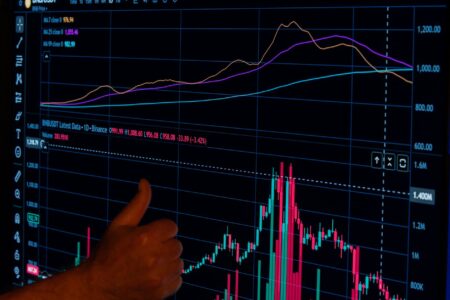



The semiconductor memory sector has captured investor attention through a specialized exchange-traded fund that targets DRAM manufacturers, with performance strong enough to justify a leveraged counterpart. Fund managers are responding to demand for concentrated exposure to memory chip companies, many of which trade on foreign exchanges and remain difficult for retail investors to access directly.
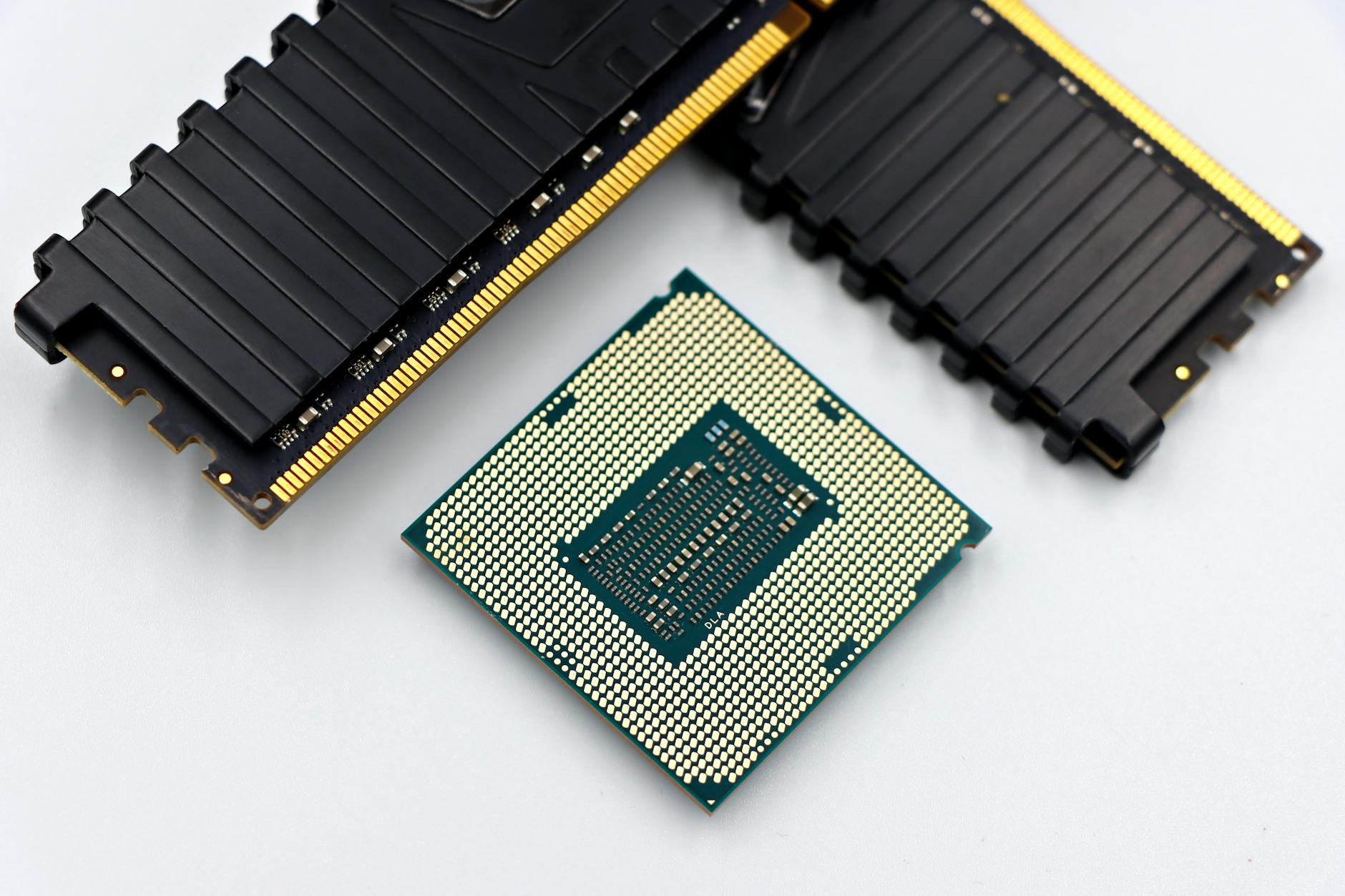
This market dynamic reflects the growing importance of memory semiconductors in everything from smartphones to data centers, where DRAM serves as the temporary storage that keeps applications running smoothly. The original ETF’s success has demonstrated that investors want targeted plays on this specific corner of the chip industry, rather than broad semiconductor exposure that dilutes memory-focused bets.
Performance Drives Expansion Plans
The initial DRAM-focused ETF has delivered returns that justify expanding the product line with a leveraged version designed to amplify daily moves in the underlying memory sector. Fund sponsors typically launch leveraged versions only after the base product proves its appeal to investors, suggesting the memory-focused strategy has found its audience.
Leveraged ETFs use derivatives and debt to multiply the daily returns of their underlying index, typically by two or three times. These products appeal to traders seeking short-term exposure to sector movements, though they carry higher risks due to their mathematical construction. Daily rebalancing means leveraged ETFs can diverge significantly from their targets over longer holding periods.
The memory sector’s volatility makes it particularly suitable for leveraged products, as the underlying price swings provide the dramatic movements that leveraged ETF users seek. DRAM prices fluctuate based on supply-demand imbalances, manufacturing capacity additions, and end-market demand from consumer electronics and enterprise hardware.
International Access Challenge
Many leading memory manufacturers trade on Asian exchanges, creating barriers for U.S. investors who want direct exposure to companies like Samsung, SK Hynix, and other dominant players in the DRAM market. These ETFs solve the access problem by packaging international memory stocks into U.S.-listed securities.

The geographic concentration of memory manufacturing means that sector-specific ETFs often carry heavy weightings in South Korean and other Asian markets where the major producers are based. This international exposure adds currency risk but provides access to the actual market leaders rather than smaller domestic alternatives.
Memory Market Fundamentals
DRAM demand cycles typically follow broader technology adoption patterns, with periods of oversupply followed by tight capacity when new applications emerge. The current cycle has been influenced by artificial intelligence workloads that require substantial memory resources, creating demand pressures that benefit the specialized manufacturers.
Manufacturing consolidation has left the DRAM industry dominated by three major players, giving them significant pricing power during upward cycles. This oligopoly structure makes sector-specific investments more predictable than in fragmented technology markets, though it also creates concentration risk for investors.
Memory chip companies often trade at different valuations than broader semiconductor stocks because their business models depend on commodity-like products with volatile pricing. Investors seeking pure-play memory exposure have historically struggled to find suitable vehicles that isolate these dynamics from other chip sector influences.
The leveraged version will likely attract day traders and short-term speculators who want to amplify their bets on memory price movements. Whether this expanded product line succeeds depends on sustained interest in the underlying sector and continued volatility that makes leveraged exposure worthwhile for active traders.