



Amazon’s stock hit an all-time high Thursday following news of an expanded partnership with Meta that positions the company’s custom silicon as a serious alternative to Nvidia’s dominant processors. The deal marks a significant validation of Amazon Web Services’ dual approach to artificial intelligence dominance.
Meta will deploy Amazon’s Trainium and Inferentia chips across its data centers, joining a growing roster of companies seeking alternatives to expensive Nvidia hardware.
The partnership extends beyond simple cost savings, with Meta gaining access to Amazon’s specialized AI infrastructure while AWS demonstrates that its chip development efforts can attract major technology companies as customers rather than just internal users.
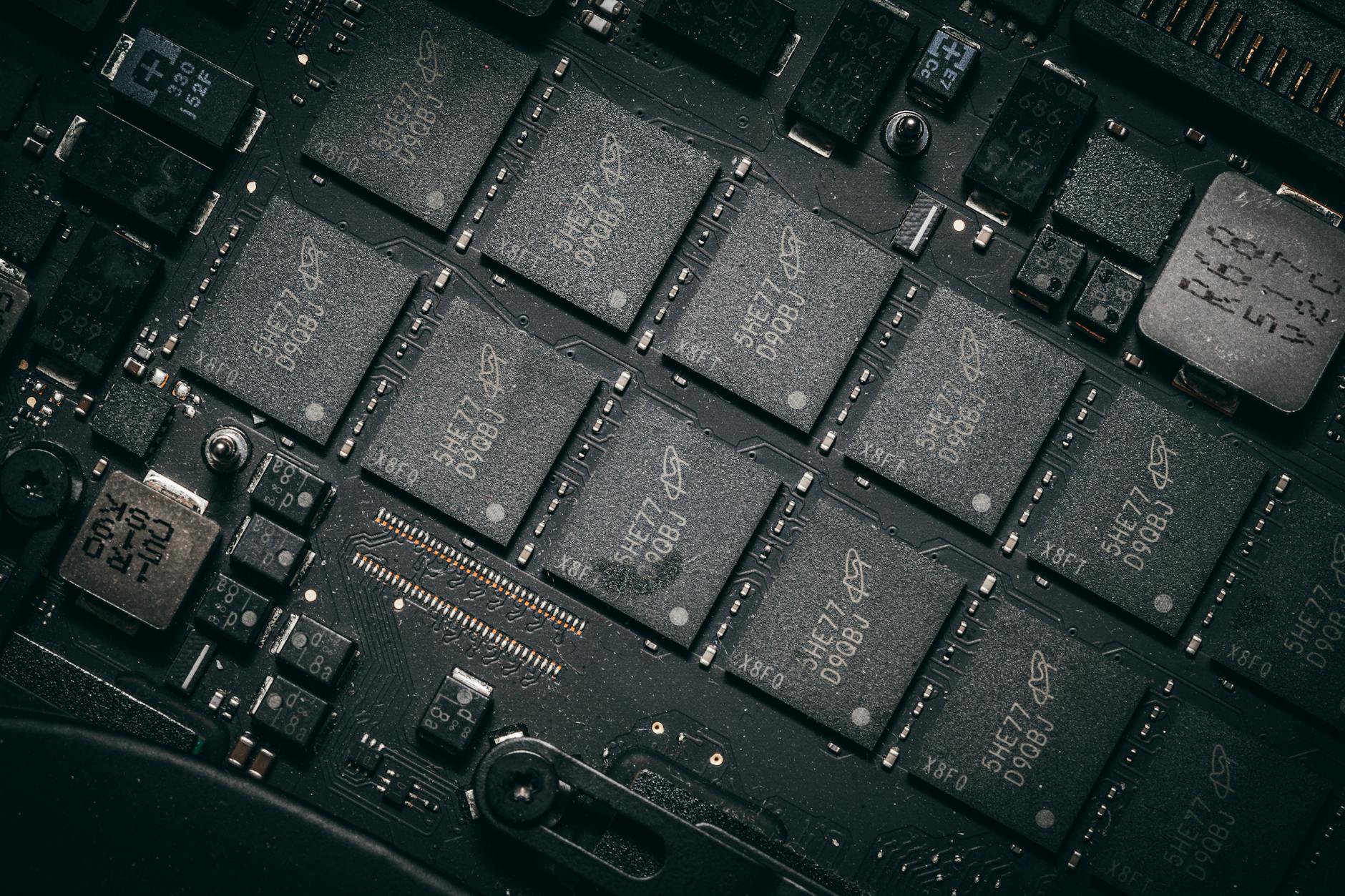
Custom Silicon Strategy Takes Center Stage
Amazon has invested billions developing its own processors specifically designed for machine learning workloads, betting that purpose-built chips could outperform general-purpose graphics cards for certain AI tasks. The Meta deal provides external validation of this strategy, showing that Amazon’s chips can compete for high-profile customers beyond the company’s own services. Trainium chips focus on training large language models, while Inferentia processors handle inference tasks like generating responses from already-trained models.
The timing proves particularly important as companies across industries seek to reduce their dependence on Nvidia’s increasingly expensive and supply-constrained processors. Amazon’s chips offer performance comparable to Nvidia’s offerings for specific workloads while providing significantly lower costs and better availability. Meta’s adoption suggests that Amazon’s silicon has reached the performance thresholds necessary to handle demanding AI applications at scale.
This represents Amazon’s clearest success in positioning AWS as more than just a cloud storage and computing provider. The company now offers a complete AI stack, from custom hardware to software frameworks to managed services, creating multiple revenue streams from the artificial intelligence boom while reducing its own reliance on third-party chip manufacturers.
Market Position Strengthens Against Cloud Rivals
The Meta partnership reinforces Amazon’s lead in the cloud computing market at a time when Microsoft and Google are making aggressive moves in artificial intelligence. While those competitors have focused primarily on software and services, Amazon’s hardware strategy provides a differentiated offering that’s harder to replicate quickly. Building custom chips requires years of development and significant capital investment, creating natural barriers for competitors.

AWS already commands roughly one-third of the global cloud infrastructure market, but the AI surge has intensified competition as companies seek platforms optimized for machine learning workloads. Amazon’s ability to offer both traditional cloud services and specialized AI hardware gives customers flexibility in how they deploy and scale their artificial intelligence applications. This dual capability becomes increasingly valuable as AI workloads grow more sophisticated and resource-intensive.
The stock surge reflects investor confidence that Amazon can maintain its cloud leadership while capturing disproportionate value from the AI transition. Unlike pure-play AI companies that face uncertain competitive positions, Amazon benefits from existing customer relationships and infrastructure that can be enhanced rather than rebuilt from scratch.
Financial Impact Beyond Cloud Revenue
The Meta deal’s financial implications extend beyond direct chip sales, as Amazon typically structures these partnerships to include broader AWS services and long-term capacity commitments. Large technology companies like Meta require substantial infrastructure support, often leading to multi-year agreements worth hundreds of millions of dollars. These arrangements provide Amazon with predictable revenue streams while Meta gains access to cutting-edge hardware without the capital investment required to develop its own chips.

Amazon’s custom chip strategy also improves margins across its entire AI business by reducing the company’s own dependence on expensive third-party processors. Every workload that Amazon can run on its own silicon rather than Nvidia chips improves profitability, while external sales of those same chips generate additional revenue. This dual benefit explains why Amazon has continued investing heavily in chip development despite the substantial upfront costs and technical risks involved.
The partnership timing coincides with Meta’s own aggressive AI expansion, as the company seeks to reduce infrastructure costs while scaling its large language model development. Meta’s willingness to adopt Amazon’s chips suggests confidence in their performance capabilities, potentially opening the door for other major technology companies to follow suit and further validate Amazon’s silicon strategy.
Wall Street analysts now face the question of whether Amazon’s chip business can generate the kind of recurring revenue and profit margins typically associated with software companies rather than hardware manufacturers.