



A Federal Space Program Hiring Again
NASA is now accepting applications for a new class of astronauts, with the stated purpose of expanding the Artemis program – the agency’s ongoing effort to return humans to the moon and establish a permanent lunar base. The announcement marks one of the more concrete workforce moves in the American space program in recent years, translating long-range exploration goals into an actual hiring cycle with real candidates, real selection processes, and real jobs at stake.
Federal agencies hiring is nothing unusual. Federal agencies hiring people to eventually live and work on the moon is something else entirely.
The economics surrounding Artemis extend well beyond the astronaut corps itself. The program has drawn billions in government contracts, reshaped parts of the aerospace supply chain, and become a focal point for how the United States positions its space industry against international competitors. Adding a new astronaut class is the human capital layer of that larger spending and strategic architecture – the part where the government decides who, specifically, will carry the work forward.
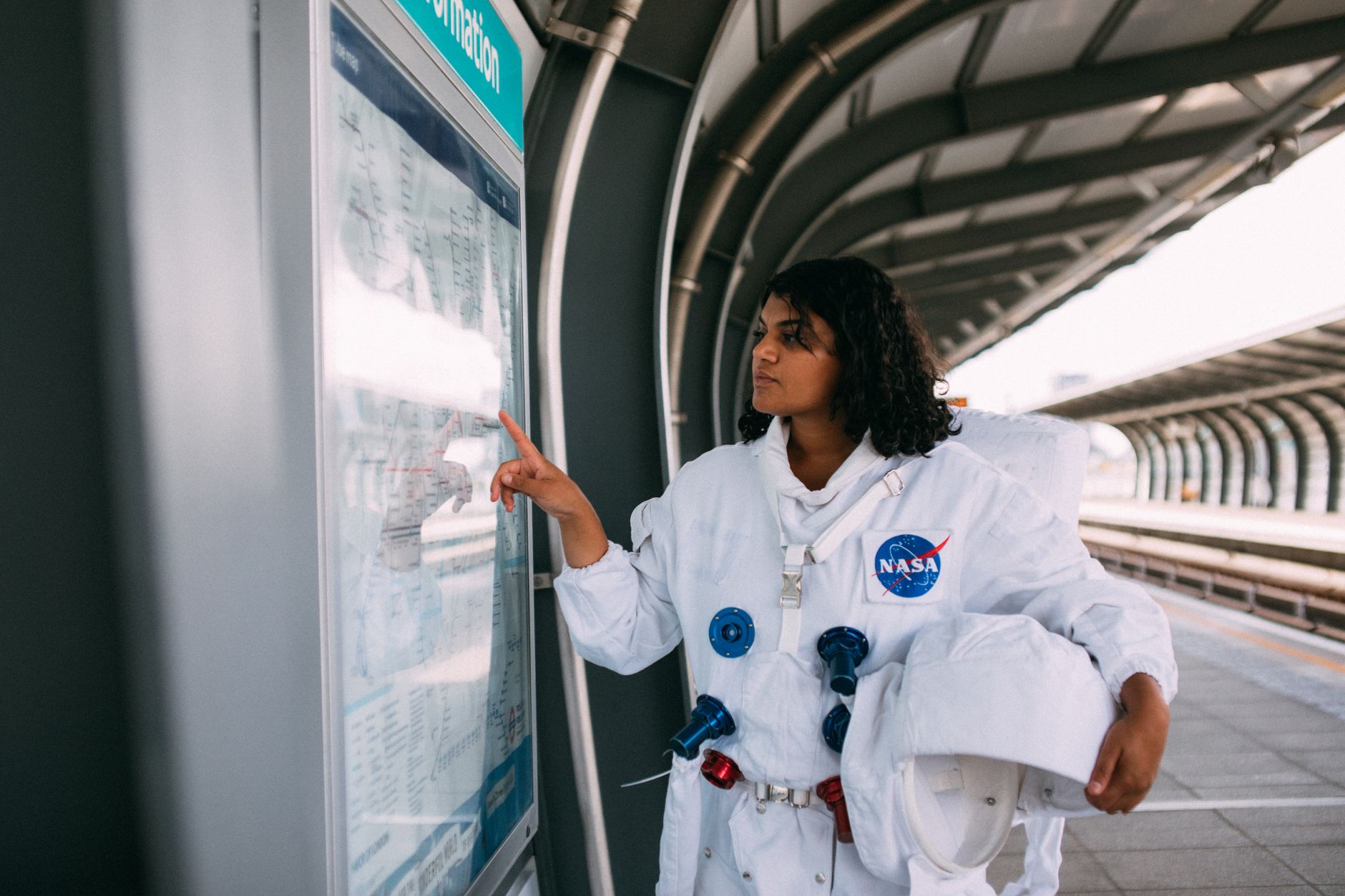
What Artemis Actually Requires in Labor Terms
Building a permanent lunar base is not a single mission. It is a sustained construction and operations effort that requires personnel rotations, specialized training pipelines, and long-term institutional knowledge. That means NASA cannot simply recycle its existing astronaut roster indefinitely – it needs new entrants who will train for years, absorb the specifics of lunar surface operations, and eventually cycle into active roles as the program matures. The application window opening now is an early step in what will be a multi-year selection and preparation process before any new hire sets foot on a launch pad, let alone the lunar surface.
The Artemis program has already seen its share of delays and budget pressures, which makes the workforce timing worth watching. Hiring astronauts now signals that NASA’s planning horizon for lunar base construction remains active, even as individual mission schedules have shifted. Agencies don’t recruit and train astronauts – a years-long investment per candidate – for programs they expect to cancel. The hiring itself is a form of institutional commitment.
From a labor market standpoint, astronaut selection is among the most selective processes the federal government runs. Thousands of applicants typically compete for a handful of slots, and candidates must meet rigorous physical, academic, and professional standards. The new class will be shaped specifically around Artemis mission profiles, meaning the skills and experience NASA emphasizes in this cycle will reflect what lunar base construction and operation actually demands – a different set of priorities than, say, the International Space Station rotations that defined earlier astronaut classes.

The Broader Economic Footprint of Going Back to the Moon
Artemis is not just a science project. It sits at the center of a government-directed industrial effort involving contractors across aerospace manufacturing, life support systems, habitat engineering, and launch services. The astronaut corps is the most visible element, but the program’s economic weight is distributed across dozens of companies and thousands of workers who never leave Earth. When NASA moves forward on hiring the people who will actually go, it tends to accelerate activity across that broader contractor network – schedules sharpen, deliverables get dates, and spending that was notional becomes committed.
The lunar base concept itself carries long-run economic implications that governments and private companies are both tracking closely. A permanent human presence on the moon would require ongoing resupply, maintenance infrastructure, communications systems, and eventually the kind of commercial access arrangements that have already begun reshaping low-Earth orbit through partnerships with companies like SpaceX. The question of who controls access to lunar infrastructure – and on what terms – is already being negotiated in policy and contract discussions happening well below the headline level.
NASA’s decision to open applications now, while Artemis timelines remain in flux, keeps the program’s momentum visible and its workforce pipeline moving. For the contractors, suppliers, and regional economies tied to NASA’s facilities, that continuity matters. Houston, Huntsville, Cape Canaveral, and the broader network of NASA-adjacent businesses all have direct stakes in whether the agency is actively building toward its next human spaceflight era or quietly letting it stall.
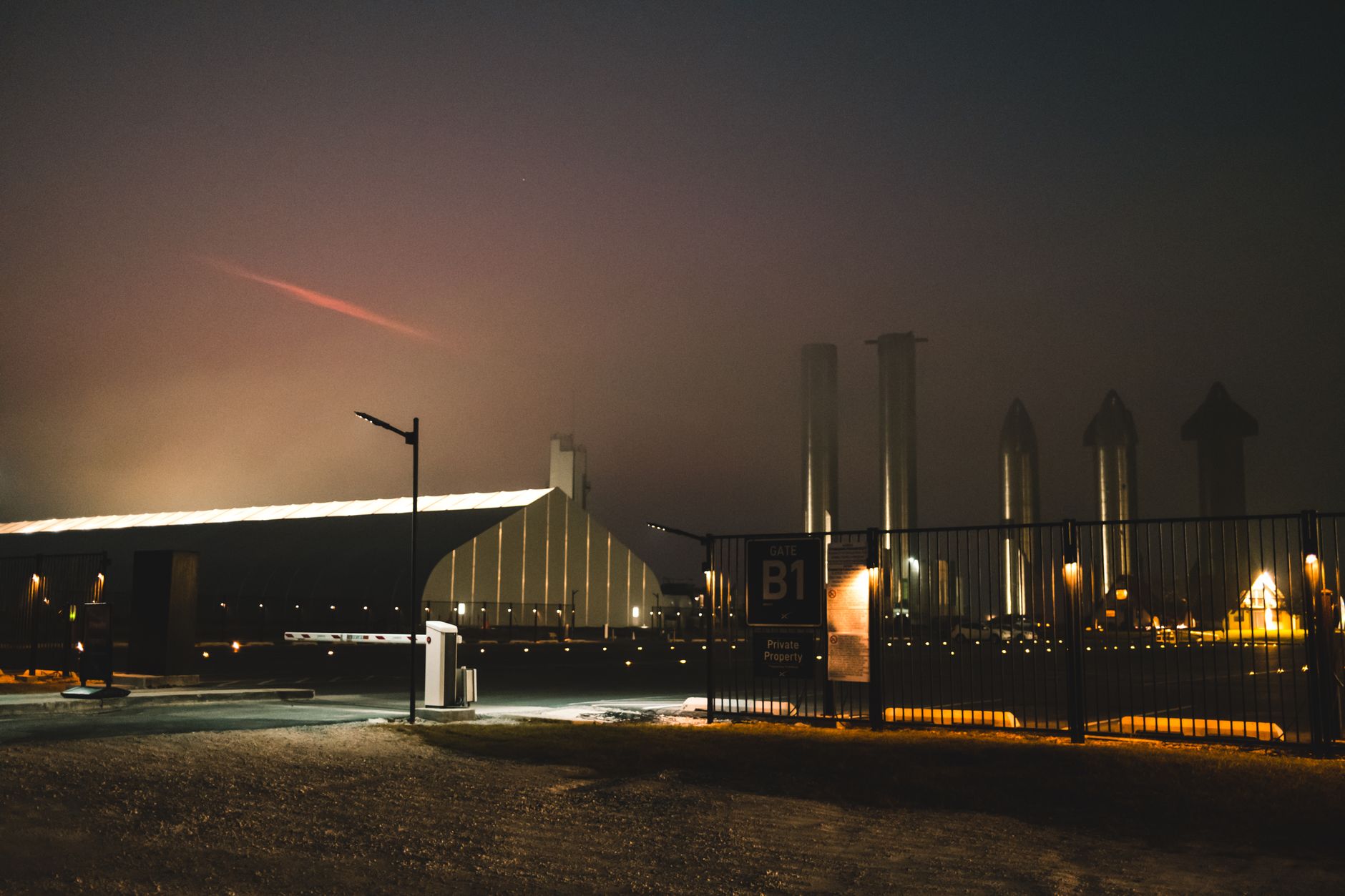
The application window is open. Somewhere in the pool of people filling out those forms is the first person who will walk on the moon under the Artemis banner – assuming the program holds together long enough to get them there.