


A Warning Shot Before the Gavel Changes Hands
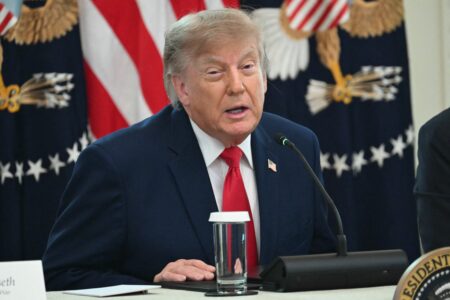
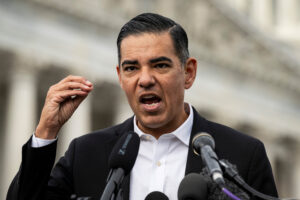
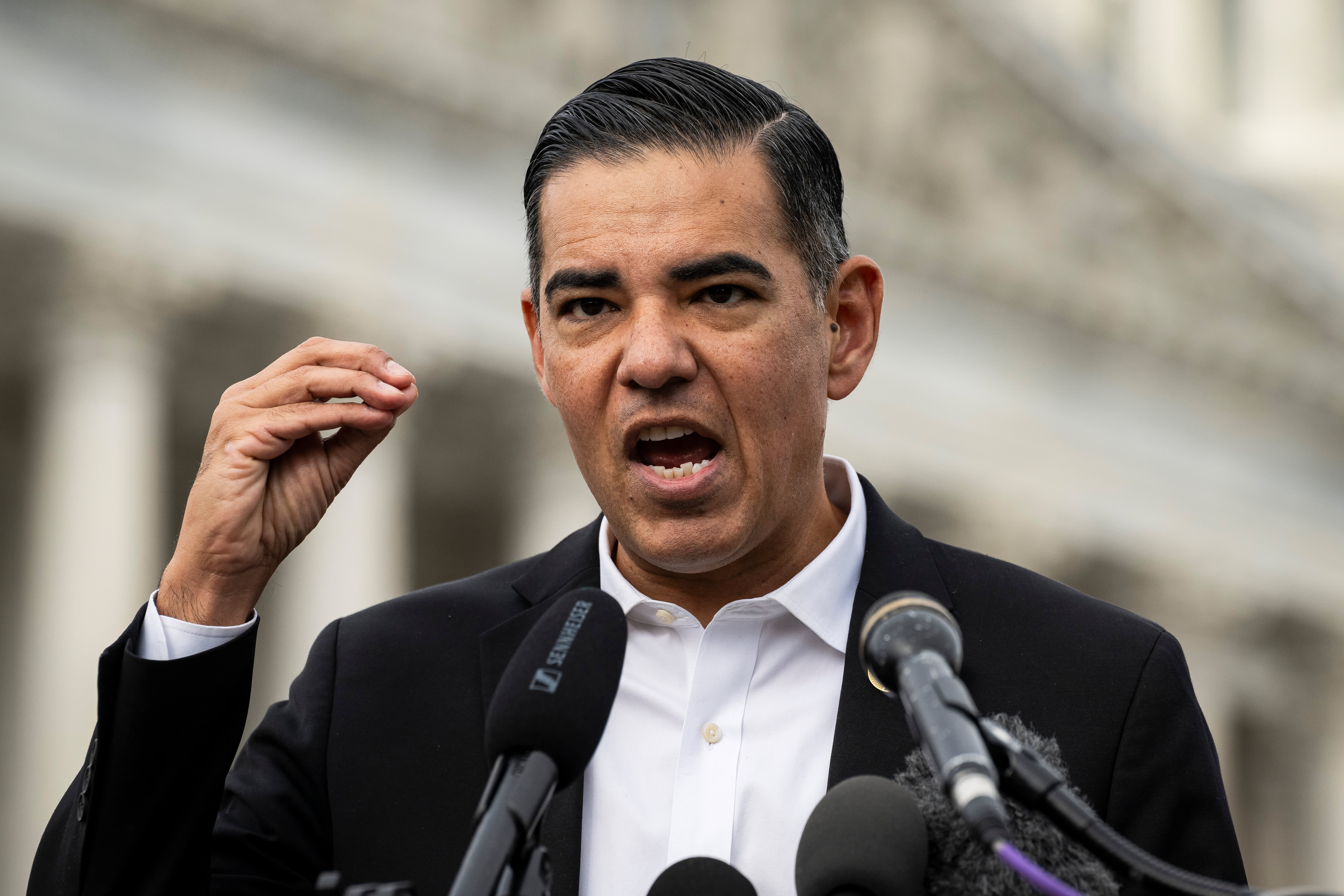
Rep. Robert Garcia, the top Democrat on the House Oversight Committee, is signaling that a Democratic House majority arriving in January will not spend its early months on procedural housekeeping. Garcia has explicitly warned members of the Trump family to “lawyer up,” a phrase that leaves little ambiguity about what his committee intends to do with its subpoena power once Democrats take control.
The incoming oversight agenda promises sweeping investigations targeting former President Donald Trump, his family, and his administration broadly.
For businesses and investors with exposure to Trump-affiliated ventures – from real estate holdings to media properties – the prospect of sustained congressional scrutiny introduces a layer of legal and reputational risk that markets have not yet had to price in with this particular majority holding the committee gavel.
What “Sweeping Probes” Actually Means for Business
Garcia’s language is not vague. The word “sweeping” in a congressional oversight context typically signals that investigators are not arriving with a narrow question about a single contract or transaction. It suggests a broad mandate – one that can pull financial records, compel testimony, and generate months of headlines that shadow any commercial entity connected to the subject of inquiry. For a business family with holdings spanning branded real estate, licensing deals, a publicly traded media company, and a recently launched cryptocurrency venture, the surface area exposed to congressional examination is considerable.
Congressional investigations, even when they produce no criminal referrals, carry real costs. Legal fees accumulate quickly when executives and family members are compelled to retain separate counsel, respond to document requests, and prepare for depositions. Business partners reassess relationships. Lenders reconsider terms. Counterparties with long time horizons – the kind needed for major real estate development or large licensing agreements – sometimes walk away from deals that carry political noise, not because of legal jeopardy, but because the distraction alone disrupts execution.
Garcia’s committee, once Democrats hold the majority, would have authority to investigate the administration’s conduct broadly, not just the family’s private business interests. That distinction matters because it widens the circle of potential witnesses and documents, and it means the investigation could move in directions that surface information useful to parallel probes at the Justice Department, the SEC, or state attorneys general offices running their own inquiries.

The Political Mechanism Behind the Business Risk
The House Oversight Committee is one of the most direct levers Congress can pull against an executive. It does not need to pass legislation. It does not require Senate cooperation. It issues subpoenas, holds hearings, and publishes findings – all of which become part of the public record and, frequently, the basis for further action by other institutions. When Garcia says the probes will be sweeping and directed at Trump, his family, and his administration, he is describing a committee strategy that can run simultaneously on multiple tracks without any single track needing to reach a courtroom conclusion to cause disruption.
Democrats taking the House in January marks a structural shift in who controls that machinery. The committee chairmanship, the staff, the subpoena authority, and the hearing schedule all move in one direction when the majority flips. Garcia, as the ranking Democrat who would be positioned to lead or heavily influence the committee’s direction, has made the strategic intent explicit well before that transfer of power formally happens.
For the Trump organization and its extended network of business relationships, the January timeline is not abstract. Document preservation obligations typically attach once a credible investigation is announced or reasonably anticipated. Garcia’s public warning arguably moves that clock forward, meaning legal counsel would typically advise clients to begin organizing records now rather than waiting for formal subpoenas to arrive.
January Is Closer Than It Looks
The gap between Garcia’s warning and the actual transfer of power is a matter of weeks, not months. Democrats are set to take control of the House in January, and committee assignments, chairmanships, and investigative resources follow almost immediately after the new Congress is seated. Garcia’s statement, then, is not a distant threat – it is a countdown with a fixed end date, and the businesses, advisors, and family members in its stated scope have a narrow window to prepare.
Whether the investigations produce findings with legal consequences, or whether they primarily generate political pressure and public scrutiny, the operational reality for anyone named in Garcia’s framing is the same: legal bills are coming, schedules will be disrupted, and decisions that might otherwise be made on pure business logic will now have to account for how they look under congressional examination. That is a cost that does not appear on any earnings statement but lands on the bottom line of any organization navigating it.
Garcia has not specified which aspect of Trump family business activity he intends to examine first – whether that means the administration’s policy decisions that may have intersected with private financial interests, the family’s international deals, or some other thread the committee finds most accessible given the documents and witnesses already available to them. That uncertainty is, in some ways, the most disruptive part of the announcement.
The only concrete detail Garcia has volunteered publicly, beyond the scope and the warning itself, is the instruction to “lawyer up” – advice that, whatever political theater surrounds it, reflects an entirely practical reality about what happens to private individuals when the House Oversight Committee decides their affairs are worth examining.