


A Strong Launch Gives Way to a Difficult Quarter
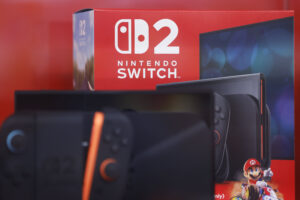
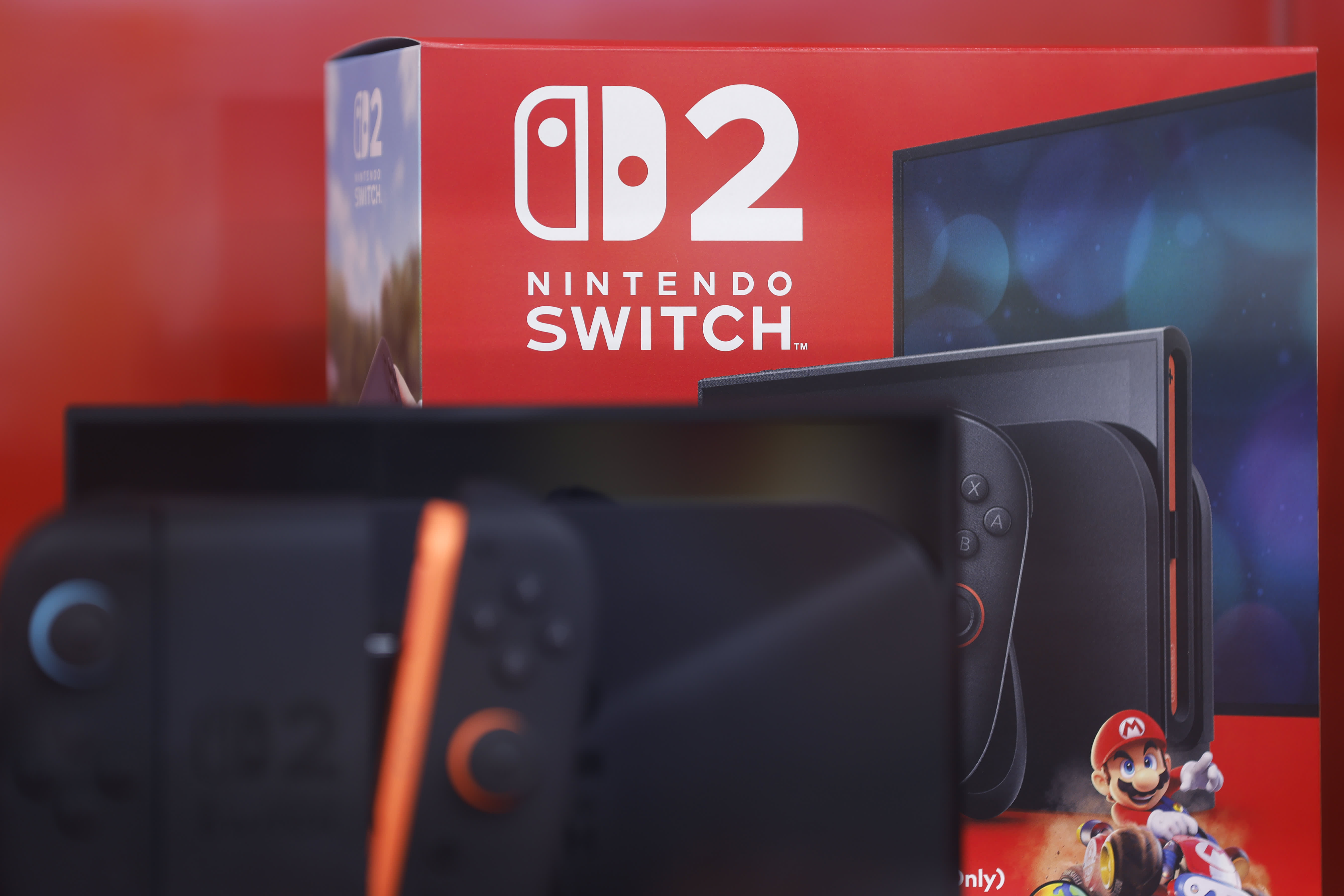
Nintendo’s Switch 2 arrived with considerable momentum, but the fiscal second quarter told a different story. Sales of the console fell 41% compared to the prior period, as rising memory costs pushed Nintendo to raise prices – a combination that visibly cooled consumer demand for the Japanese gaming company’s flagship hardware.
The decline marks a sharp reversal for a device that had generated significant early enthusiasm. Nintendo, whose hardware business depends heavily on consistent unit volume to drive software attachment and ecosystem spending, now faces a hardware sales environment shaped less by consumer appetite and more by global supply economics.
Memory Costs at the Root of the Problem
The price hikes Nintendo implemented were not a strategic repositioning – they were a direct response to soaring memory costs that made the previous price point increasingly difficult to sustain. Memory components are a significant cost driver in gaming hardware, and when those input costs climb sharply, manufacturers face a binary choice: absorb the margin hit or pass the cost to buyers. Nintendo chose the latter.
That decision had immediate consequences at the register. Consumers, already navigating broader inflationary pressures, proved less willing to absorb a higher sticker price on a console that had only recently launched. The 41% sales drop in a single quarter suggests the price sensitivity was sharper than Nintendo may have anticipated when it made the adjustment.
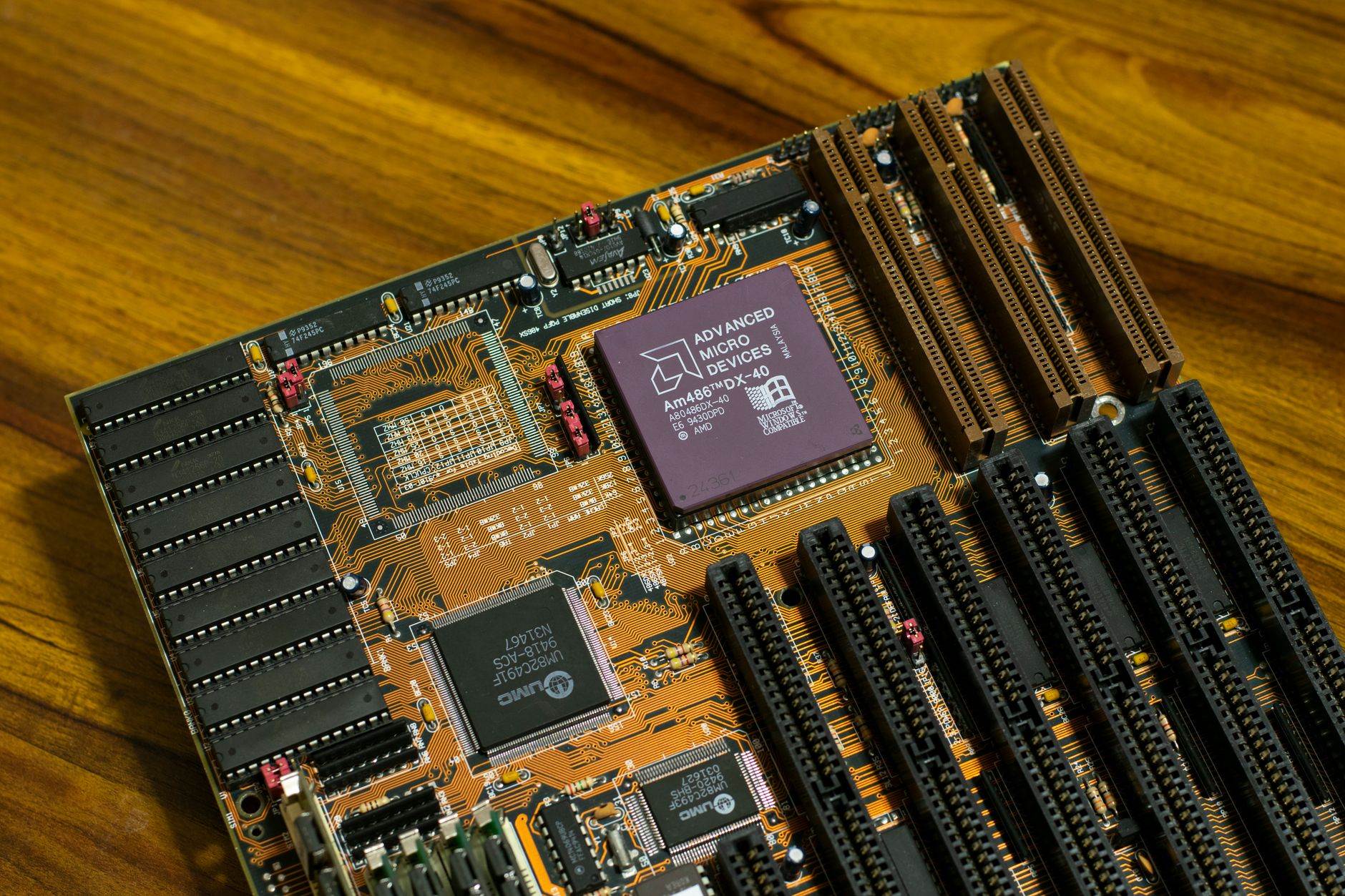
Memory market dynamics have been volatile across the broader semiconductor industry, affecting everything from smartphones to laptops to gaming consoles. Nintendo is not uniquely exposed, but as a company whose hardware margins are thinner by design – the traditional gaming model prices consoles close to cost and profits from software and accessories – any spike in component costs hits the income statement hard and fast.
The timing compounds the problem. The Switch 2 is still in its commercial infancy. Early adopters have already purchased; the larger, more price-conscious mainstream audience is precisely the cohort that tends to balk when hardware costs climb unexpectedly. A 41% drop in quarterly unit sales is not a rounding error – it reflects a meaningful portion of that mainstream audience stepping back.
What This Means for Nintendo’s Fiscal Year
Nintendo operates on a fiscal year ending in March, and the second quarter results will weigh on full-year projections. The company has historically relied on the holiday quarter – Nintendo’s fiscal third quarter – to drive outsized hardware volume. A stumble in Q2, particularly one tied to pricing rather than a lack of software lineup, puts additional pressure on the holiday period to recover lost ground.
Software sales and digital revenue can partially offset hardware weakness, but only up to a point. Nintendo’s ecosystem model requires a growing installed base to sustain attach rates. If Switch 2 unit sales continue to lag, the downstream effects on game sales, Nintendo Switch Online subscriptions, and accessory revenue become harder to insulate.

A Pricing Dilemma With No Easy Exit
Nintendo now sits in an uncomfortable position. Rolling back the price increase would signal weakness and sacrifice margin recovery. Holding the line risks extending the sales slump into the holiday season, which would be a considerably more damaging outcome given how much annual revenue is concentrated in that window. Memory costs, the underlying driver, are not something Nintendo can resolve unilaterally – the company is at the mercy of a global component market that has shown little predictability in recent years.
What makes this quarter particularly instructive is that the Switch 2’s core product proposition has not changed. No major hardware flaw has emerged. No competing platform has surged to steal market share in a dramatic way. The 41% sales decline is almost entirely a function of price – which means Nintendo’s path back to volume growth runs directly through a cost environment it does not control.
Whether memory prices stabilize enough to give Nintendo pricing flexibility before the holiday shopping window closes is now one of the more consequential open questions on the company’s earnings calendar. The fiscal third quarter report will carry that answer – along with a clearer picture of whether a 41% drop was a temporary shock or the start of a longer reset for Switch 2’s commercial trajectory.