

More Oil, Fewer Places to Send It
OPEC+ is weighing another increase to its oil production quotas when members convene Sunday – a move that would mark the sixth consecutive monthly hike. The alliance has been steadily walking back the deep cuts it imposed during the pandemic era, and on paper, the numbers suggest more supply is coming to market.
The catch isn’t the production decision itself. It’s what happens to those barrels once they leave the ground.
When Quotas Don’t Equal Output on the Water
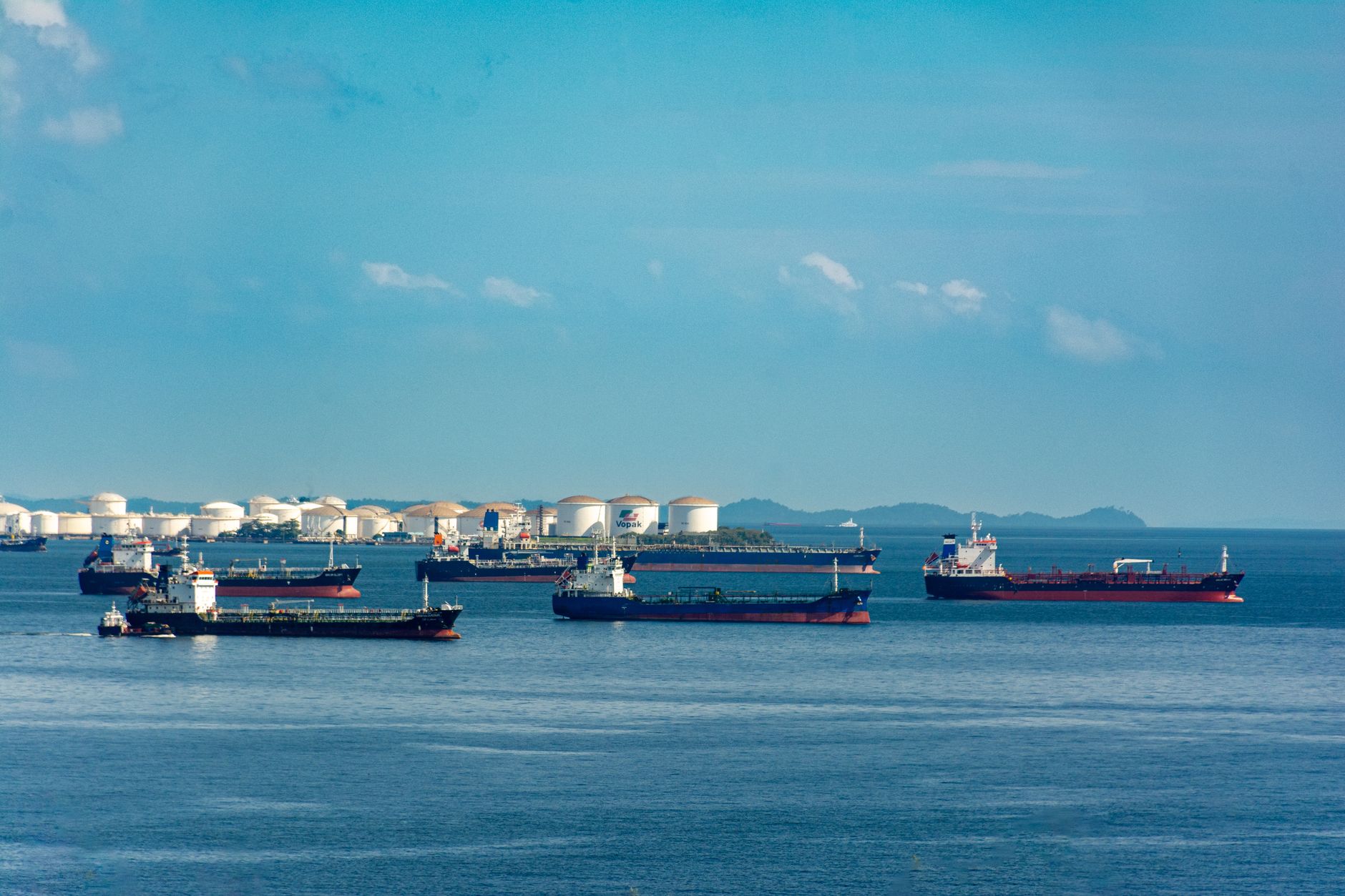
Raising a production quota and actually moving crude to buyers are two entirely separate problems. Even if OPEC+ approves higher output targets for a sixth straight month, the physical infrastructure required to ship those additional barrels – tanker routes, port access, insurance coverage – remains subject to pressures that have nothing to do with what gets decided in a meeting room. A quota is a ceiling on ambition, not a guarantee of delivery.
The conflict involving Iran is adding a hard layer of complication to that equation. As hostilities in the region broaden, key transit corridors in and around the Middle East come under varying degrees of risk. Shipping companies, insurers, and tanker operators all price that risk into their decisions. Higher war risk premiums mean higher costs to move crude, which gets baked into the final price at the buyer’s end – even when the quoted benchmark price appears lower.
This dynamic explains why an increase in OPEC+ quotas won’t automatically translate into price relief for consumers or industrial buyers. The market doesn’t only price oil at the wellhead. It prices oil delivered – and delivered safely, on time, through routes that aren’t being actively contested. When those routes come into question, the per-barrel cost climbs regardless of what any producer alliance decrees.

Iran’s Role in the Supply Calculus
Iran sits at the center of a compounding problem for global oil markets. The country is both a producer whose own output could be disrupted by escalating conflict and a geographic factor that shapes how other producers in the Gulf ship their crude. The Strait of Hormuz, through which roughly a fifth of the world’s oil supply moves, runs adjacent to Iranian territory.
Any significant broadening of the conflict raises questions about passage through that corridor – questions that tanker operators and their underwriters have to answer every time they dispatch a vessel.
The Gap Between Policy and Price at the Pump
For anyone watching oil prices hoping that a sixth OPEC+ quota increase would push prices down, the structural problem is that supply additions on paper don’t move markets the same way that supply additions in the water do. Traders and commercial buyers know this. Futures markets are forward-looking and they’ve already begun pricing in geopolitical risk premiums that offset whatever relief a quota bump might otherwise signal.
There’s also the question of which OPEC+ members are actually producing at or near their current quotas. Several member nations have chronically underproduced relative to their allowed ceilings, meaning an increase to the quota doesn’t produce a corresponding increase in actual barrels. The headline number and the operational reality have been misaligned for long enough that sophisticated market participants discount the announcement accordingly.
On the demand side, major importers in Asia – particularly China – have been adjusting their purchasing strategies in response to both price volatility and broader trade tensions. If demand signals from the largest importing region stay muted, even real production increases may not tighten the market the way they would in a more stable environment. The balance between supply ambition and demand appetite remains genuinely unsettled.
What makes Sunday’s potential decision worth watching isn’t whether OPEC+ votes to raise quotas again. It’s whether any member can demonstrate that higher permitted output will actually reach buyers – through disputed waters, at insurable rates, in volumes that match the announcement. So far, the gap between what the alliance authorizes and what the market actually receives has been wide enough to blunt the policy’s intended effect.
The last five months of quota increases haven’t produced the kind of downward price pressure that a straightforward supply-demand model would predict. A sixth decision in the same direction, made while a regional conflict widens around one of the world’s most critical shipping lanes, may not produce a different outcome.