



Clearing Space for the Big Arrivals
When SpaceX shares became available to a broader pool of investors, something predictable happened in portfolios across Wall Street: money moved out to make room. Investors sold existing positions – often their weakest ones – to free up capital for a high-profile private company finally going public. Now, with OpenAI and Anthropic each moving closer to public listings, fund managers are beginning to run the same mental math, and certain already-battered stocks are sitting squarely in the crosshairs.
The timing carries an added edge. Potential AI lab IPOs could coincide with a seasonal pattern in which investors sell underperforming positions late in the year to harvest tax losses – a strategy that lets them offset gains elsewhere in the portfolio. If both forces hit simultaneously, the stocks most vulnerable to that selling pressure could face a compounding wave of outflows that has less to do with their own fundamentals than with what else is competing for attention.
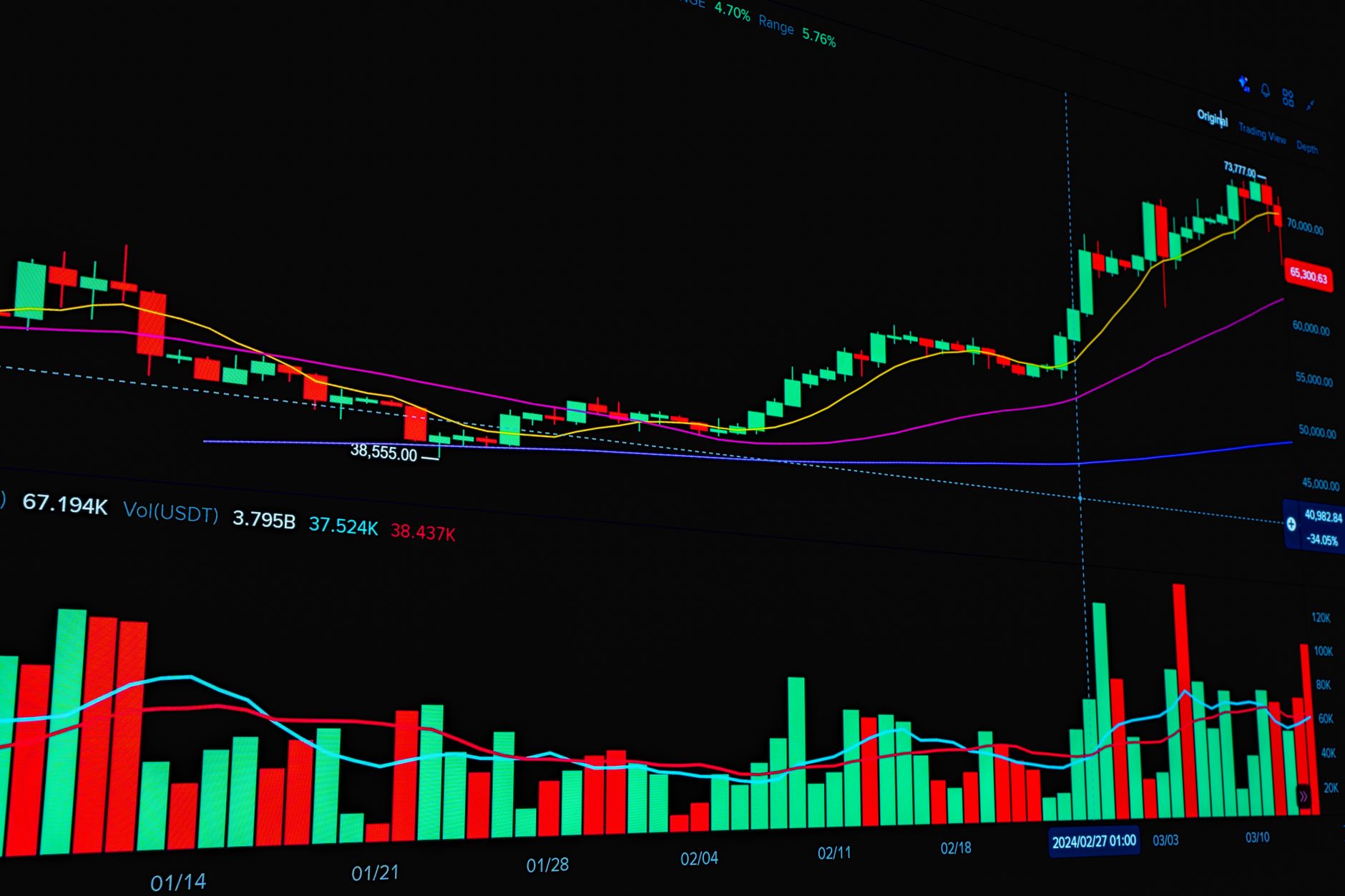
The SpaceX Blueprint
SpaceX’s secondary-market listings gave institutional and retail investors alike a template for how private-company access events reshape portfolio behavior. The opportunity was large enough, and the brand compelling enough – though “compelling” is exactly the wrong word here – that investors made deliberate decisions to exit positions they had been holding onto out of inertia. The pattern wasn’t random. Underperformers went first, because selling them served a double purpose: raising cash while cleaning up a portfolio that had accumulated dead weight.
OpenAI and Anthropic represent a similar gravitational pull, arguably stronger. OpenAI has become the most talked-about private technology company in the world, and Anthropic – backed by billions from Amazon and Google – is not far behind in terms of investor appetite. When their IPOs materialize, demand for shares will outstrip early supply, and that scarcity will push investors to make trade-offs. Something has to be sold. The question fund managers are quietly working through right now is what that something will be.
Tax-Loss Harvesting Adds a Second Layer of Pressure
Tax-loss harvesting is a routine year-end strategy, but it becomes more aggressive when investors have a specific destination in mind for the freed-up capital. Selling a losing position to offset a gain is useful on its own; selling it to fund a stake in a landmark IPO is doubly motivating. That combination – tax efficiency plus upside opportunity – makes the selling decision much easier to execute and much harder to reverse.
Stocks that have already underperformed through the year are the natural candidates for that harvest. They carry embedded losses that can be realized without sacrificing much in the way of expected future return, at least from the portfolio manager’s perspective. If a fund is already planning to trim or exit a position, an IPO deadline creates a concrete moment to act. The calendar does some of the decision-making for you.
The seasonal effect on its own is well-documented. In years where there is no major IPO pulling capital in a specific direction, tax-loss selling still pressures laggards in the final months of the year. Add a high-demand listing to that environment and the pressure intensifies – particularly for mid- and small-cap names that don’t have the liquidity buffer of a mega-cap stock. Those companies can see sharper price moves from the same volume of selling simply because fewer buyers are standing on the other side.
What makes the current setup unusual is that two major AI listings could arrive in close proximity to each other. OpenAI and Anthropic are not the same company with the same investor base, but they are fishing in largely overlapping pools of capital. A fund that wants exposure to both will need to make twice the room, and that math falls hardest on the positions already delivering the least.
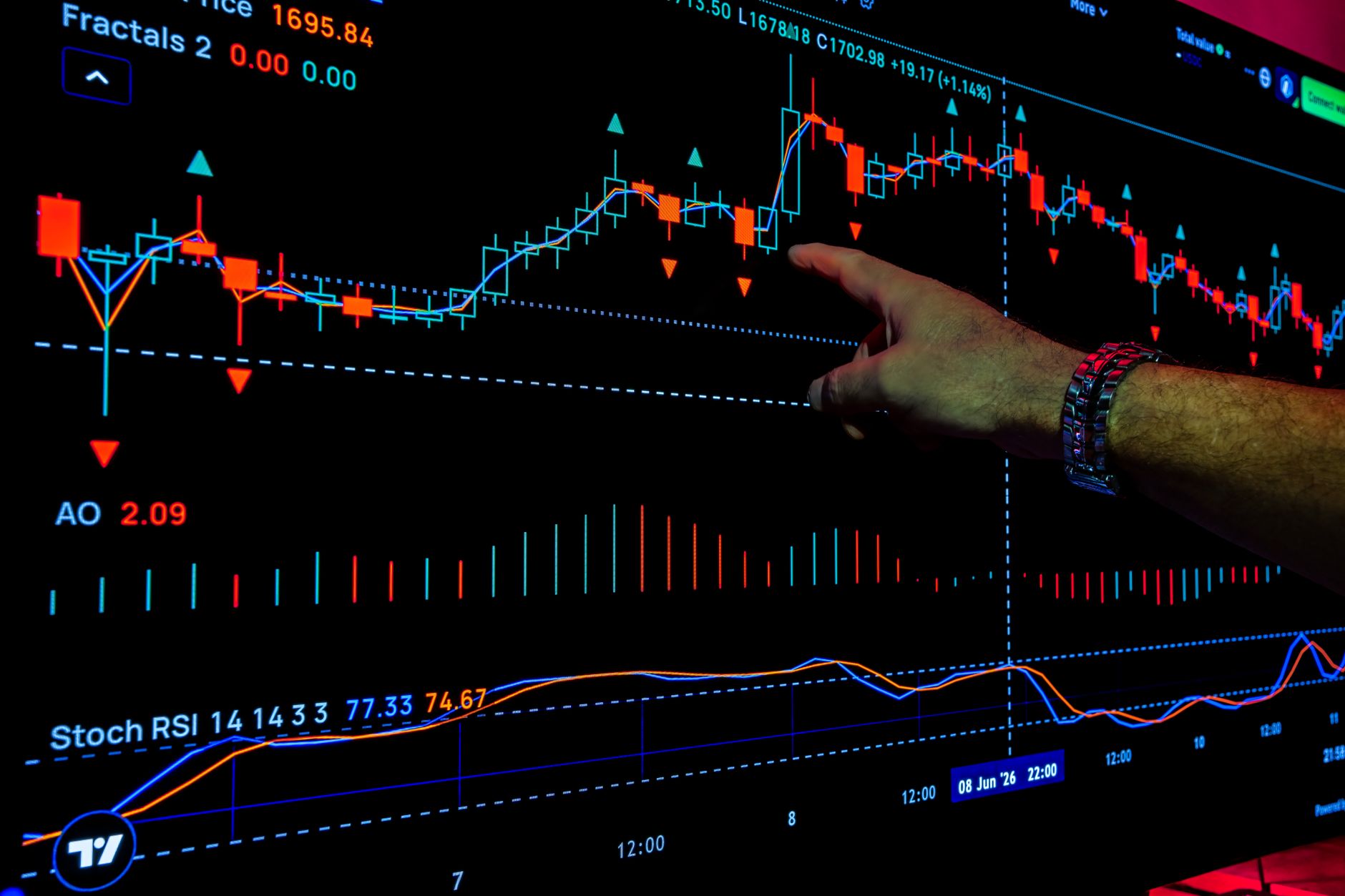
Which Stocks Face the Most Exposure
The stocks most at risk are not necessarily the worst businesses – they are the ones that have underperformed enough to carry harvestable losses while also being the kind of position a fund manager can exit without violating a core thesis. Speculative technology names that ran up during earlier AI enthusiasm and have since given back those gains fit that profile closely. So do companies that were once considered AI-adjacent but have failed to demonstrate tangible revenue benefits from the theme.
Investors who bought into AI-adjacent stories in 2023 or early 2024 and are now sitting on losses have both the tax incentive and the IPO incentive to sell. That overlap is what makes this moment distinct from a typical year-end rotation.
What This Means for Earnings-Season Positioning
From an earnings standpoint, the dynamic introduces noise into how markets will interpret results from technology companies in the back half of the year. A stock that reports decent numbers but still sells off could be caught in this portfolio-rebalancing current rather than experiencing a genuine fundamental reassessment. That distinction matters for investors trying to read market signals accurately.
It also raises a practical question for anyone holding positions in underperforming tech names heading into the IPO window: is the selling pressure you’re about to experience a reflection of your company’s actual prospects, or is it a side effect of capital rotating into something shinier? Understanding the difference won’t stop the price from moving, but it shapes whether the rational response is to hold, add, or follow the crowd out the door. Wall Street’s read on recent earnings suggests many companies have been quietly outperforming even as their stocks lag – which makes the forced-selling scenario even more disorienting for investors watching prices move against results.

None of this is hypothetical in the way it might have seemed a year ago. OpenAI has discussed public listing timelines publicly, and Anthropic’s capital structure – already stretched across multiple funding rounds at escalating valuations – points toward an eventual liquidity event for its backers. The window is narrowing, the amounts are large, and somewhere in a portfolio manager’s spreadsheet right now, there is a column of underperformers being measured against the cost of getting in early on what could be the defining tech listings of the decade. One of those underperformers doesn’t know yet that it’s about to become someone else’s entry ticket.