
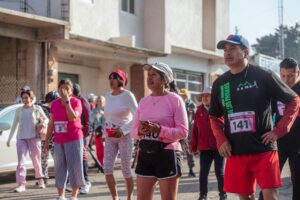

A young woman from Pennsylvania collapsed and died Sunday during the New York City Marathon, falling just over two miles before the finish line while running her first-ever marathon to raise funds for Parkinson’s disease research.
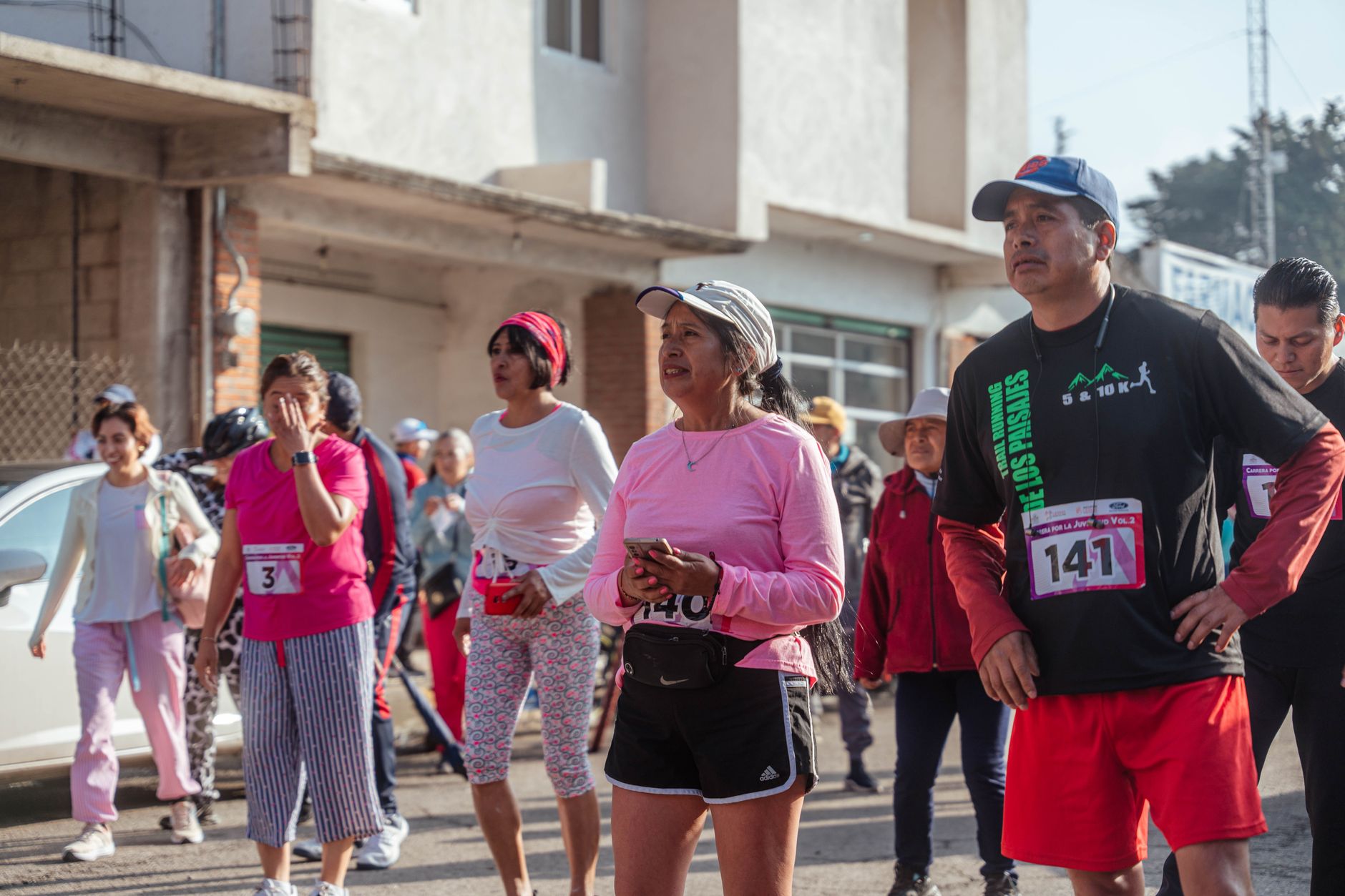
A First Marathon, a Charitable Mission
The woman had entered one of the world’s most watched road races not simply for personal achievement, but to generate donations for Parkinson’s disease research. That framing matters – charity race entries are a significant funding channel for medical nonprofits, with large-scale events like the NYC Marathon drawing thousands of participants who collectively raise tens of millions of dollars annually for causes ranging from cancer treatment to neurological disorders.
The NYC Marathon, now in its decades-long run as a premier international race, draws upward of 50,000 finishers each year and generates substantial economic activity across the five boroughs. Hotels, restaurants, and vendors along the 26.2-mile route depend on the event’s weekend traffic. The race’s broader footprint – entry fees, charity pledges, tourism spending – makes it one of New York City’s more significant single-day economic events on the fall calendar.
Charity runners occupy a distinct category within that ecosystem. Many participants secure their bibs not through the standard lottery but through nonprofit partnerships, agreeing to meet fundraising minimums that can range from a few hundred dollars to several thousand. The organizations that benefit – in this case, one focused on Parkinson’s research – depend on that pipeline to fund clinical studies, patient programs, and advocacy work that rarely attracts large corporate sponsors.
Parkinson’s disease affects roughly one million Americans, with treatment and care costs placing a considerable burden on patients, families, and the broader health system. Private fundraising through events like marathons fills gaps that federal research budgets and pharmaceutical investment don’t always cover, particularly for quality-of-life research and community support infrastructure.

The Human Cost Behind the Race Numbers
The woman collapsed in Central Park, the final stretch of the marathon course, with the finish line close enough that experienced runners typically consider themselves home free at that point. For first-time marathoners especially, reaching Central Park represents the psychological and physical crossing point – the moment the race feels won. She did not make it through.
Deaths during marathons are statistically rare but not unheard of. Cardiac events account for the majority of race-related fatalities, and younger runners are not exempt. The physical demand of a full marathon – particularly for a first-time participant – places acute stress on the cardiovascular system in ways that may not be predictable from standard fitness assessments or even prior athletic history. No cause of death has been officially confirmed for this runner.
What complicates the picture for the charity fundraising world is that the death of a participant mid-race doesn’t simply represent a personal tragedy – it disrupts a fundraising cycle that often continues well after race day. Donors who pledged to a runner’s campaign may still receive solicitations. The nonprofit the runner represented will likely handle those contributions with care, but the administrative and emotional weight of that process falls on organizations already stretched thin.
The New York Road Runners, which organizes the marathon, has medical infrastructure stationed throughout the course. Volunteer physicians, emergency medical technicians, and defibrillator stations are positioned at regular intervals, with heightened concentration near the finish area. Whether that infrastructure was engaged in this case, and to what effect, has not been publicly detailed.
For the thousands of other participants who crossed the finish line Sunday – many of them also running for charitable causes – the race continued. The NYC Marathon finished, as scheduled, with the full spectacle of elite competition, recreational runners, and the kind of crowd energy that the event reliably draws each November. That the race proceeds around tragedies is both a logistical reality and, for some, a point of quiet discomfort.
What Happens to the Money
When a charity runner dies before completing a race, the pledges and donations already collected don’t automatically disappear. In most cases, nonprofit partners retain contributions already processed, applying them toward the designated cause – in this instance, Parkinson’s research. Whether the woman’s campaign had a public fundraising page, how much she had raised, and how the organization she was running for plans to honor her effort have not been publicly disclosed.
She came to Central Park carrying someone else’s cause, two miles from the end of a race she had never run before. The finish line was visible on maps, if not yet in sight – and the donations, wherever they currently sit, are still waiting to do the work she came to do.