


A Central Bank Stays the Course
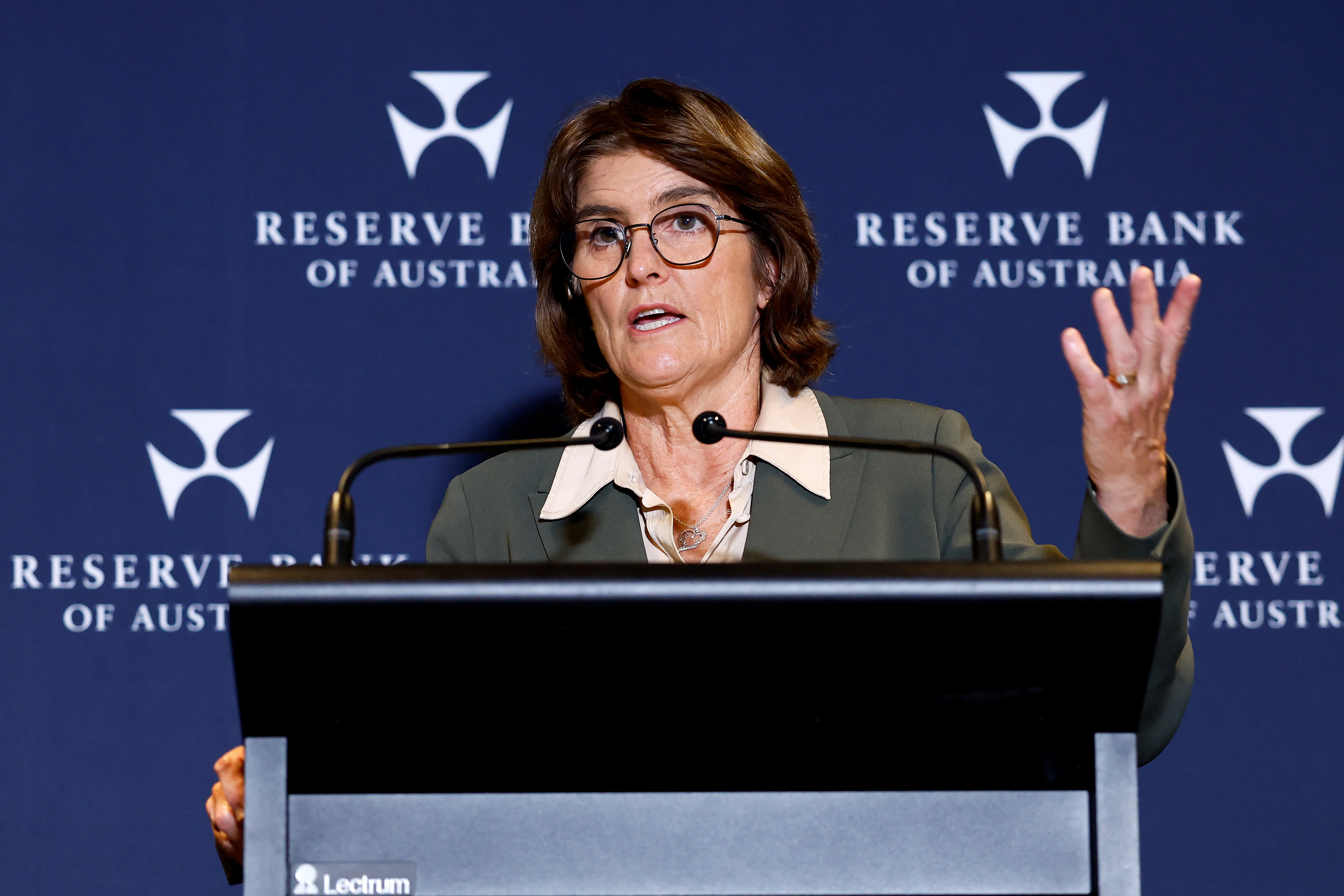
The Reserve Bank of Australia has pushed its benchmark interest rate to its highest level in 18 years, delivering another increase as it continues its fight to bring inflation under control. The decision landed exactly where economists polled by Reuters had predicted, offering no surprises in outcome – only in the accumulated weight of how far rates have now climbed.
This was the RBA’s fifth rate hike in 2026 alone. Five increases in a single calendar year, each one squeezing borrowers a little tighter and signaling that the central bank sees the inflation problem as far from solved.
What an 18-Year High Actually Means
Rates at an 18-year peak means Australian borrowers are navigating a lending environment not seen since 2008 – a period most people associate with financial crisis, not deliberate central bank policy. The difference this time is that the RBA is raising rates by design, not reacting to a sudden collapse. That distinction matters for how households and businesses plan, but it doesn’t soften the monthly payment math for anyone carrying a variable-rate mortgage or a business loan tied to the benchmark.
Australia’s property market, which has long operated with high household debt relative to income, is particularly exposed to sustained rate pressure. Each successive hike compounds the strain on borrowers who locked into loans during the low-rate years and are now rolling into higher repayment schedules. The RBA is aware of this tension. Raising rates is a tool, not a painless one, and five increases in a year makes the cumulative burden difficult to ignore.

The Reuters poll consensus held firm heading into the decision, meaning markets and analysts had largely priced in the move. That kind of alignment between expectation and outcome can sometimes make a rate decision feel routine – but the underlying conditions that forced the RBA’s hand are anything but. Inflation in Australia, as in much of the developed world, has proven stickier than early models suggested it would be, forcing central banks to stay aggressive longer than many borrowers had hoped.
What the RBA is doing is not unique globally. Central banks from the U.S. Federal Reserve to the Bank of England spent much of the mid-2020s in the same posture – raising rates repeatedly, absorbing political criticism, and waiting for price growth to respond. The difference is where each economy sits in that cycle. Australia, with its fifth hike of 2026 now on the books, is pressing hard on the brake while watching closely for signs that inflation is genuinely bending downward.
The Inflation Problem Still Driving Decisions
Rate hikes work through the economy with a delay. The RBA is not raising rates because inflation has already been defeated – it is raising them because inflation has not been defeated yet. That distinction shapes everything about how this decision should be read. A fifth increase in one year is a statement that the central bank does not believe previous hikes have done enough on their own.
Consumer prices, business costs, and wage dynamics in Australia have kept the RBA in an uncomfortable position: forced to keep tightening even as the risk of overtightening – pushing the economy into unnecessary contraction – grows more real with each meeting. Finding the stopping point is the hard part of any rate cycle, and the RBA is still clearly not there.
What Comes Next for Australian Borrowers
For Australian households, the immediate question is whether this is the last hike or one of several still to come. The RBA’s own forward guidance will matter more in the coming weeks than the rate decision itself. Any signal that the bank is nearing a pause would offer relief to mortgage holders and businesses managing floating-rate debt. A signal that more increases are on the table would force another round of financial recalculation across the country.
Australian banks have already passed previous rate increases through to variable mortgage holders – that is the standard transmission mechanism. A fifth hike means another adjustment in monthly repayments for that group, piling onto changes that have already reshaped household budgets since the hiking cycle began. Fixed-rate borrowers whose terms expire in the near term face the jarring reset from historically low locked-in rates to current market levels, a gap that has widened with each RBA decision.
The RBA’s record now stands at five increases in 2026, a rate at an 18-year high, and an inflation fight that polls of economists suggest was fully expected to reach this point. What the polls cannot predict is how many Australians sitting at kitchen tables, recalculating what they owe each month, had been quietly hoping the central bank would blink first.