



Persian Gulf oil production has dropped 57%, forcing governments worldwide to tap emergency petroleum reserves at rates not seen since the 1973 oil crisis. The shortfall affects roughly 20 million barrels per day of global supply, creating the most severe energy disruption in decades.
Strategic petroleum reserves across major economies are being drawn down to maintain market stability. The International Energy Agency reports member nations have released over 180 million barrels from emergency stockpiles in the past month alone.
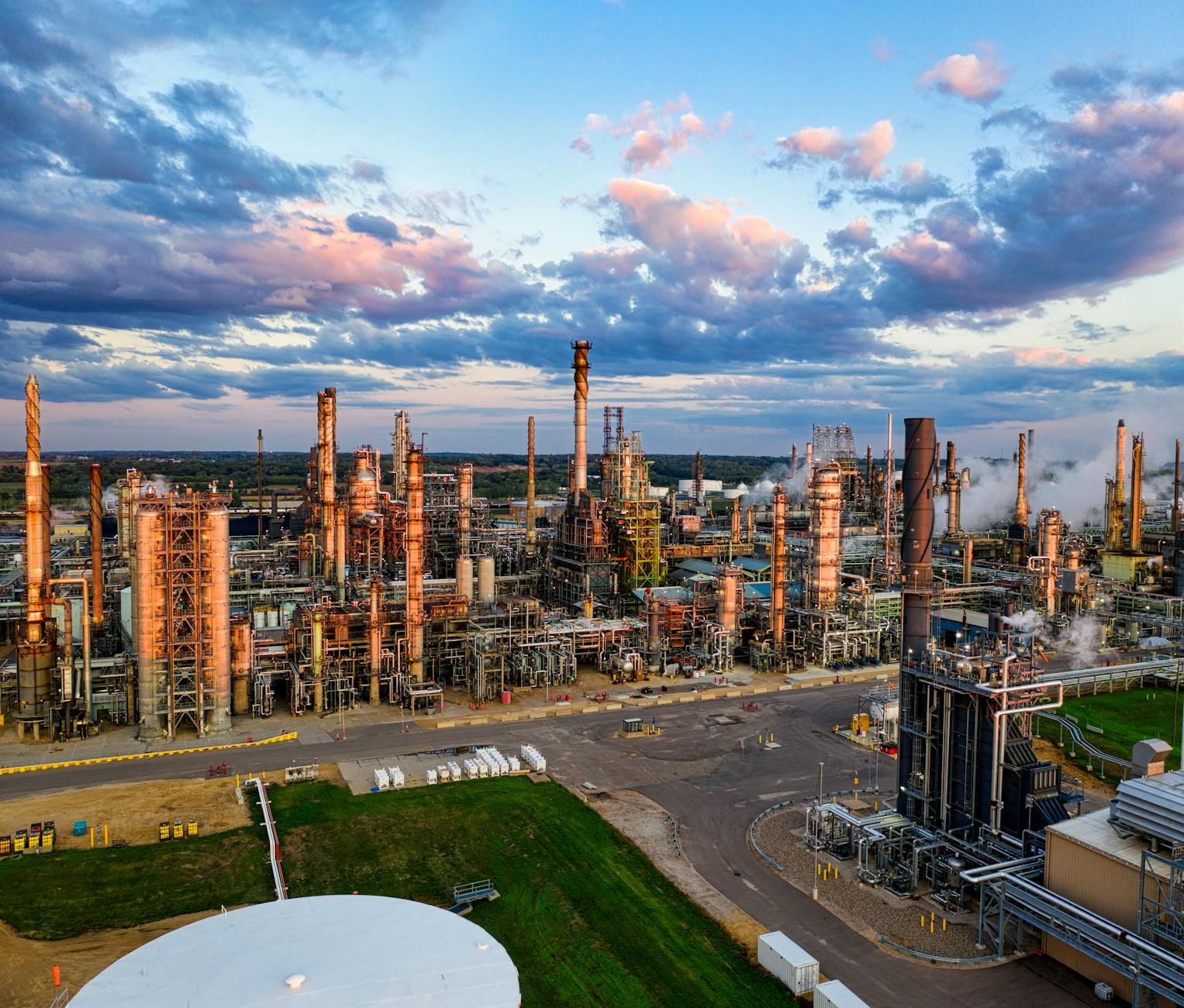
Energy Companies Positioned for Windfall Profits
Several North American energy firms stand to benefit dramatically from sustained high oil prices and supply constraints. Companies with established production capabilities and minimal Persian Gulf exposure are seeing their market valuations surge as investors anticipate extended periods of elevated commodity prices.
Exxon Mobil has increased production targets across its Permian Basin operations by 15%, while Chevron announced plans to accelerate drilling schedules in multiple shale formations. Both companies possess the infrastructure and capital reserves necessary to rapidly scale operations when global supply tightens. Their integrated business models, spanning upstream production through downstream refining, provide additional revenue streams during periods of high crude prices and wide refining margins.
Canadian oil sands producers face particularly favorable conditions. Suncor Energy and Canadian Natural Resources operate facilities designed for long-term, stable production that becomes increasingly valuable when geopolitical disruptions affect conventional sources. These companies benefit from proximity to U.S. markets and established pipeline infrastructure that bypasses potential shipping disruptions.
Reserve Depletion Timeline Accelerates
Current drawdown rates suggest strategic reserves could reach critically low levels within six months if Persian Gulf production remains curtailed. The U.S. Strategic Petroleum Reserve, already reduced from previous releases, contains approximately 350 million barrels compared to its historical average of 650 million barrels.
European Union members face more immediate constraints, with Germany and France having smaller emergency stockpiles relative to consumption needs. Japan has begun rationing releases from its strategic reserves to extend availability through potential winter demand peaks.
Market Dynamics Reshape Investment Landscape
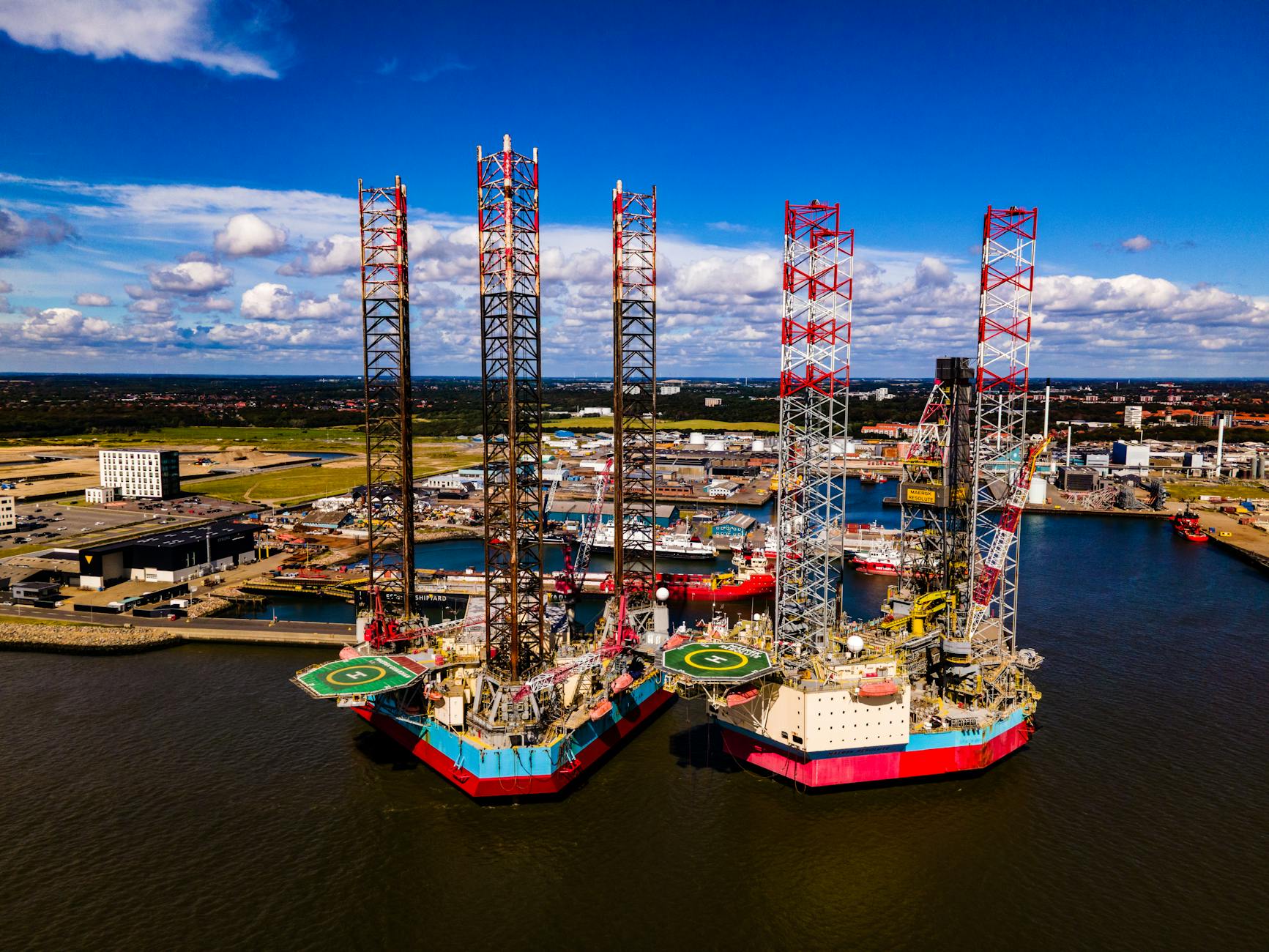
Oil services companies are experiencing unprecedented demand for drilling equipment and completion services. Halliburton and Schlumberger report order backlogs extending into 2027, with dayrates for offshore drilling rigs increasing 40% since the supply disruption began. The companies are reactivating mothballed equipment and hiring workers laid off during previous downturns.
Midstream operators controlling pipeline networks and storage facilities are generating exceptional cash flows. Enterprise Products Partners and Kinder Morgan benefit from increased throughput volumes and higher tariff rates as producers maximize output from available sources. Their pipeline systems connecting prolific U.S. shale regions to refineries and export terminals become more valuable when alternative supply routes face uncertainty.
Refining margins have expanded to levels not seen since Hurricane Katrina disrupted Gulf Coast operations in 2005. Valero Energy and Marathon Petroleum are operating refineries at maximum capacity while benefiting from the price differential between crude oil inputs and refined product outputs. The companies’ geographic positioning near major consuming markets provides additional advantages when transportation costs increase.
Independent exploration and production companies with low debt levels and flexible drilling programs are attracting institutional investment. EOG Resources and Pioneer Natural Resources can quickly adjust capital allocation to maximize returns from current pricing conditions. Their drilling inventories contain thousands of potential well locations that become economically attractive at sustained higher oil prices.
Natural gas markets face similar supply pressures as Persian Gulf producers reduce associated gas output alongside oil production. Chesapeake Energy and EQT Corporation control extensive Appalachian gas reserves that serve as domestic alternatives to imported liquefied natural gas. European buyers are paying premium prices for U.S. gas exports, creating exceptional profitability for companies with surplus production capacity.
How long can emergency reserves sustain global markets before rationing becomes necessary across major economies?