



Dead Models Don’t Always Stay Dead
Automotive history is littered with discontinued nameplates that seemed finished – killed by poor sales, shifting market tastes, or corporate reorganizations. But some vehicles carry enough cultural weight that mothballing them permanently turns out to be the harder business decision. Automakers from Detroit to Stuttgart have learned that a dormant badge can hold more commercial value than a new one built from scratch.
Reviving a classic nameplate is, at its core, an earnings calculation.
The logic runs something like this: brand recognition costs millions to build and decades to earn. When a name like Bronco or Hummer already lives rent-free in the memory of several generations of buyers, reintroducing it sidesteps a significant chunk of that marketing burden. Whether the resulting vehicles actually live up to the originals is a separate question – and sometimes the answer is complicated.
The Vehicles That Came Back
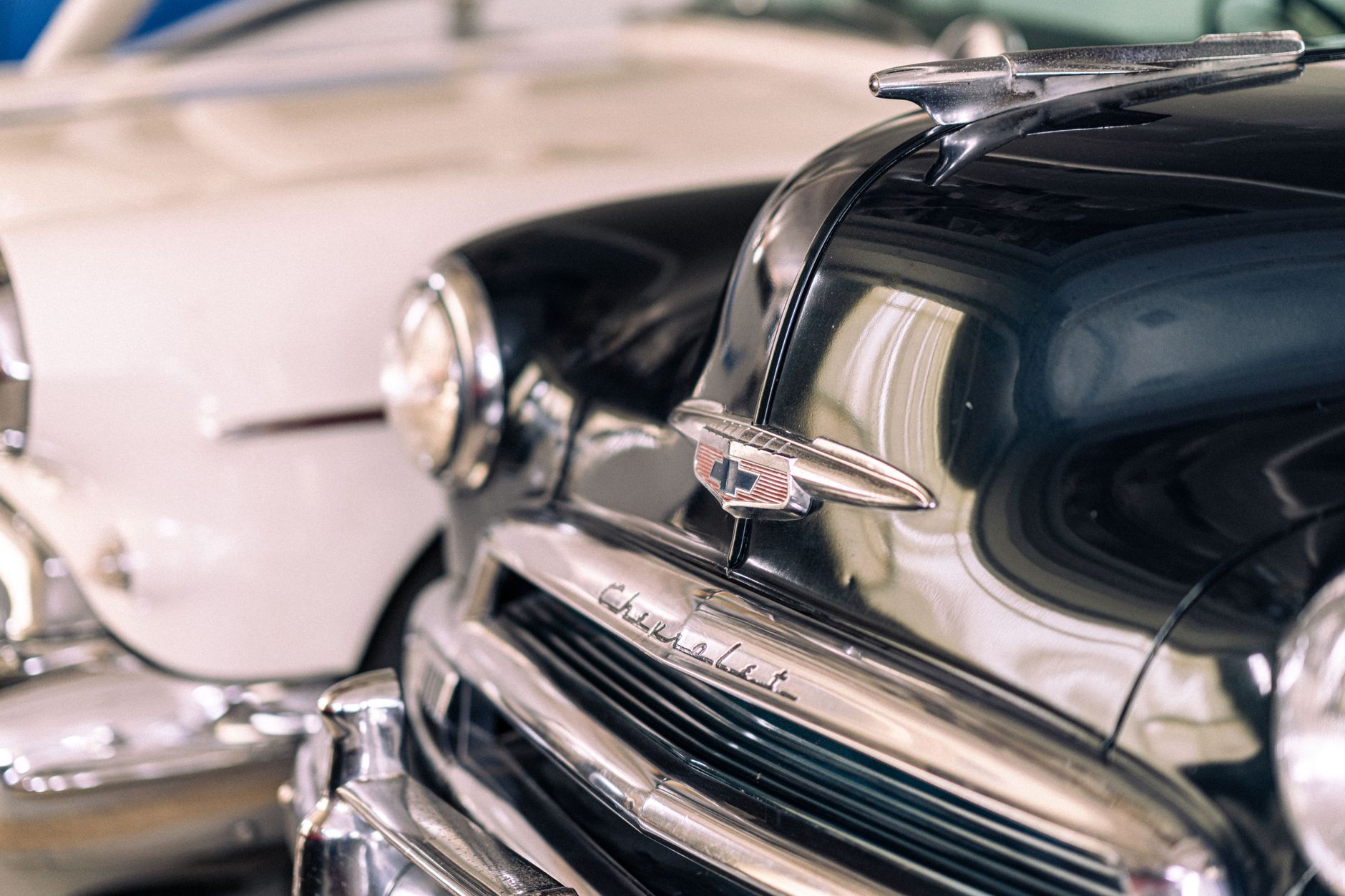
Ford’s Bronco is among the most discussed automotive revivals of the past decade. The original ran from 1966 through 1996, becoming a fixture of off-road culture before Ford pulled it from production. When the reborn Bronco arrived for the 2021 model year, dealers reported waitlists stretching months, and Ford leaned into the original’s rugged identity with body-on-frame construction and removable doors and roof panels – design choices that directly referenced the first-generation truck. The Bronco’s return also spawned a smaller sibling, the Bronco Sport, giving Ford two revenue streams from a single nostalgia play.
General Motors executed a different kind of revival with the Hummer. The original Hummer H1 was a civilian adaptation of the military HMMWV, and its H2 and H3 successors eventually became symbols of excess before GM discontinued the line in 2010. The brand’s return came not as a gasoline-powered SUV but as a GMC-badged electric truck and SUV, repositioning a vehicle once associated with conspicuous fuel consumption as a zero-emission performance machine. The reborn Hummer EV carries a starting price well above $80,000, targeting a buyer profile that looks nothing like the original’s core market. GM used the nameplate’s notoriety to anchor its early EV ambitions.
Dodge brought back the Challenger for 2008, drawing directly on the 1970 original’s long-hood, short-deck proportions. Chevrolet did the same with the Camaro, returning it in 2010 after a hiatus that began in 2002. Both cars leaned into the muscle car aesthetic at a moment when fuel economy concerns were supposed to have finished that segment off. Instead, the Challenger and Camaro found buyers willing to trade mpg ratings for horsepower and styling that nodded to the original pony car era. The Challenger’s run eventually extended long enough that Dodge was still selling it – and setting sales records – years after most analysts expected the segment to contract.
Luxury, Sports Cars, and the European Angle
Not every revival fits the American muscle template. Volkswagen’s New Beetle, introduced in 1998, attempted to capture the emotional connection buyers had with the original air-cooled car while delivering a thoroughly modern front-wheel-drive platform underneath. It sold well initially, though critics noted the retro styling was largely cosmetic. VW tried again with a second-generation Beetle in 2011, this time with a flatter roofline meant to appeal beyond the nostalgia demographic. The model was ultimately discontinued in 2019, making it one of the few revival stories that ended in a second discontinuation.
Mini’s relaunch under BMW ownership in 2001 stands as one of the more financially successful nostalgia plays in the industry. The original Mini, produced from 1959 through 2000 in various forms, was a British icon. BMW acquired the Rover Group, eventually kept the Mini brand, and built an entirely new vehicle that shared the original’s go-kart handling reputation while meeting contemporary safety and emissions standards. The brand has since expanded into crossovers, convertibles, and electric variants, generating consistent volume for BMW’s portfolio at price points above the mainstream compact segment.
The Fiat 500 returned in 2007 following a three-decade absence, timed to Fiat’s broader corporate restructuring. Like the Mini, it traded on the original’s status as a design icon – the 1957 Nuova 500 had become synonymous with postwar Italian style. The modern version sold strongly in Europe and found an audience in North America after Chrysler’s tie-up with Fiat brought it to U.S. dealers. Jaguar’s F-Type, while not a direct nameplate revival, served as the spiritual successor to the E-Type – a car so heavily associated with Jaguar’s identity that the brand had spent decades trying to replace it. The F-Type arrived in 2013 and gave Jaguar a sports car it could actually sell in meaningful volume.
Land Rover’s Defender follows a similar arc. The original Defender, descended from the first Series Land Rover of 1948, was discontinued in 2016 after stricter crash-test requirements made the aging platform unviable. Land Rover spent years developing a replacement, and the new Defender arrived in 2020 with modern underpinnings, advanced driver assistance systems, and a price structure that placed it firmly in premium SUV territory. The nameplate’s return was treated as a major brand event, signaling that Land Rover considered the Defender central to its identity rather than a niche product for enthusiasts.
What the Pattern Reveals
Across these ten vehicles – the Bronco, Hummer, Challenger, Camaro, New Beetle, Mini, Fiat 500, Jaguar F-Type, Land Rover Defender, and others in the same category – a consistent dynamic emerges: automakers return to dormant nameplates when they need a launch with built-in attention, whether they’re entering a new segment, repositioning a brand, or generating volume in a market where new names struggle to break through. The risk is that the original’s reputation sets expectations the new vehicle can’t satisfy. The reward, when it works, is a product introduction that generates press coverage, dealer traffic, and consumer interest at a fraction of the cost of establishing something genuinely new.
The Bronco’s waitlists and the Mini’s sustained European volume suggest the strategy can hold. The New Beetle’s second discontinuation suggests it can also run dry. What keeps automakers returning to the same playbook is that the downside – a revival that underperforms – still leaves them with tooling, platforms, and dealer relationships they can repurpose. The upside, when a dormant name reconnects with buyers, is a brand asset that compounds. For an industry where new model development routinely costs billions, the math on nostalgia keeps looking attractive.