


Two exchange-traded funds with nearly identical expense ratios are delivering vastly different returns to investors, highlighting how asset selection matters more than fees in the precious metals space. The iShares Silver Trust (SLV) and the VanEck Vectors Gold Miners ETF (SGDM) both charge similar management fees, yet their performance trajectories have diverged significantly over extended periods.
This divergence illustrates a fundamental choice facing precious metals investors: direct commodity exposure versus equity exposure to companies that mine those commodities. While both approaches offer inflation hedging and portfolio diversification, they respond differently to market conditions and economic cycles.

Direct Metal Versus Mining Stocks
SLV tracks the spot price of silver by holding physical silver bars in vaults, providing investors with direct exposure to the precious metal’s price movements. When silver prices rise, the fund’s value increases proportionally, minus the small management fee. This straightforward approach eliminates the operational risks and management decisions that affect individual mining companies.
SGDM takes a different path, investing in shares of gold mining companies rather than the metal itself. The fund’s holdings include major producers like Newmont Corporation and Barrick Gold, whose stock prices depend on gold prices but also reflect operational efficiency, production costs, regulatory challenges, and management quality. Mining stocks often amplify gold price movements, rising faster during bull markets but falling harder during downturns.
Performance Gap Widens Over Time
The performance difference between these strategies becomes more pronounced over longer investment horizons. SLV has delivered stronger gains than SGDM when measured across multiple years, despite both funds targeting the precious metals sector. This outperformance stems from silver’s price appreciation outpacing the collective performance of gold mining equities.
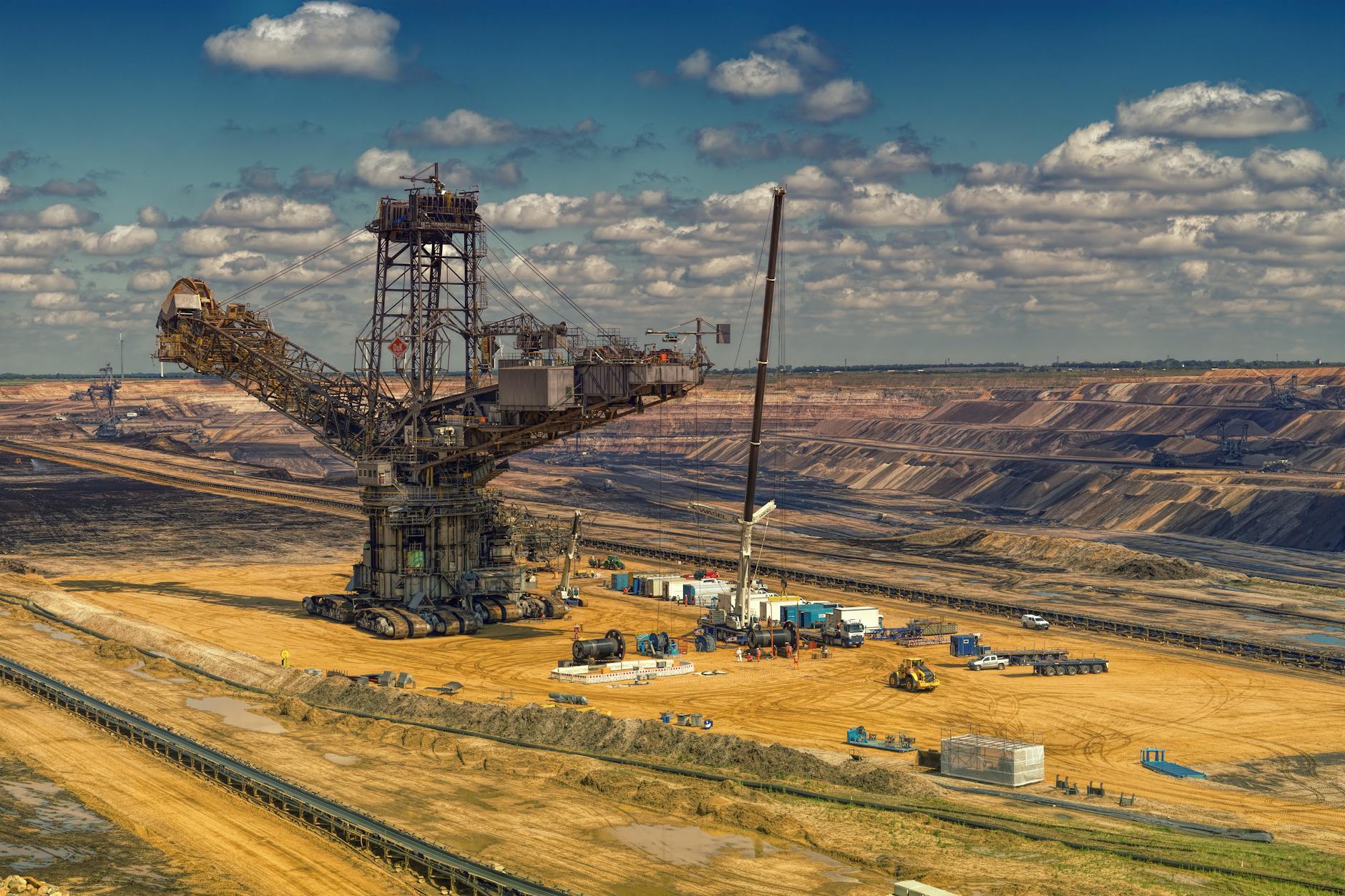
Mining companies face operational headwinds that pure commodity exposure avoids. Rising energy costs, labor disputes, environmental regulations, and ore grade decline affect mining operations regardless of metal prices. These factors create drag on mining stock performance even when underlying commodity prices trend upward.
Currency fluctuations add another layer of complexity for mining companies operating internationally. Many gold miners have significant operations in countries with volatile currencies, creating additional risk that doesn’t affect funds holding physical metals. When local currencies strengthen against the dollar, mining costs increase even if gold prices remain stable.
The operational leverage inherent in mining stocks cuts both ways. While mining companies can generate outsized returns during commodity bull runs through operational leverage and expanding margins, they also carry debt, face capital expenditure requirements, and must navigate complex regulatory environments. These factors don’t affect funds holding physical silver.
Fee Structure Similarities
Both ETFs charge comparable expense ratios, making cost a neutral factor in the performance comparison. This fee similarity highlights how investment strategy and underlying asset performance drive returns rather than management costs in this comparison. Investors aren’t paying significantly more for either approach from a fee perspective.
The storage and insurance costs associated with holding physical silver through SLV roughly equate to the research and portfolio management expenses of selecting mining stocks for SGDM. Neither fund structure provides a clear cost advantage, shifting the decision to investment philosophy and risk tolerance.
Market Dynamics and Future Considerations
Silver’s industrial applications provide demand support that differs from gold’s primarily monetary and jewelry uses. Electronics manufacturing, solar panel production, and medical applications consume significant silver quantities, creating industrial demand that supplements investment demand. This dual-purpose nature can drive silver prices independently of gold market dynamics.
Mining companies in SGDM’s portfolio face ongoing pressure from environmental regulations and sustainability requirements. New mine development faces increasing scrutiny and longer permitting processes, potentially constraining future production growth. These regulatory trends don’t directly affect silver prices but significantly impact mining company operations and profitability.
The choice between SLV and SGDM ultimately depends on whether investors prefer the direct price exposure of physical silver or the potential operational leverage of mining equities. With recent earnings strength in major mining companies, SGDM holders might see improved performance, but the structural advantages of direct metal exposure through SLV continue to drive its longer-term outperformance. The question remains whether mining companies can overcome their operational challenges to match silver’s direct price appreciation.